ENREACH SERVICES
EnReach is Canada’s hot tapping expert, providing reliable and innovative solutions worldwide. Turnkey services include:

EnReach has successfully completed over 4000 hot taps since 2005, and is at the forefront of hot tapping technology. Our engineered solutions have been recognized as industry “best practices” and are being implemented globally.
Capability
EnReach offers turnkey hot tap services including feasibility, engineering, regulatory approvals, procurement, NDE, welding, and quality management. Our reputation with our clients is built on technical expertise, customer service, quality, and price. Capabilities include:
- Sizes from 1/2” to 48” branch
- Hot taps though risers to bring valves above ground (surface taps)
- Temperatures up to 250 Deg.C
- Pressures up to 5000 psi
- Custom solutions to ensure the highest level of execution
- 24/7 field service
- 24/7 technical support
- Global capability
Capability
EnReach offers turnkey hot tap services including feasibility, engineering, regulatory approvals, procurement, NDE, welding, and quality management. Our reputation with our clients is built on technical expertise, customer service, quality, and price. Capabilities include:
- Sizes from 1/2” to 48” branch
- Hot taps though risers to bring valves above ground (surface taps)
- Temperatures up to 250 Deg.C
- Pressures up to 5000 psi
- Custom solutions to ensure the highest level of execution
- 24/7 field service
- 24/7 technical support
- Global capability
Tank Hot Taps
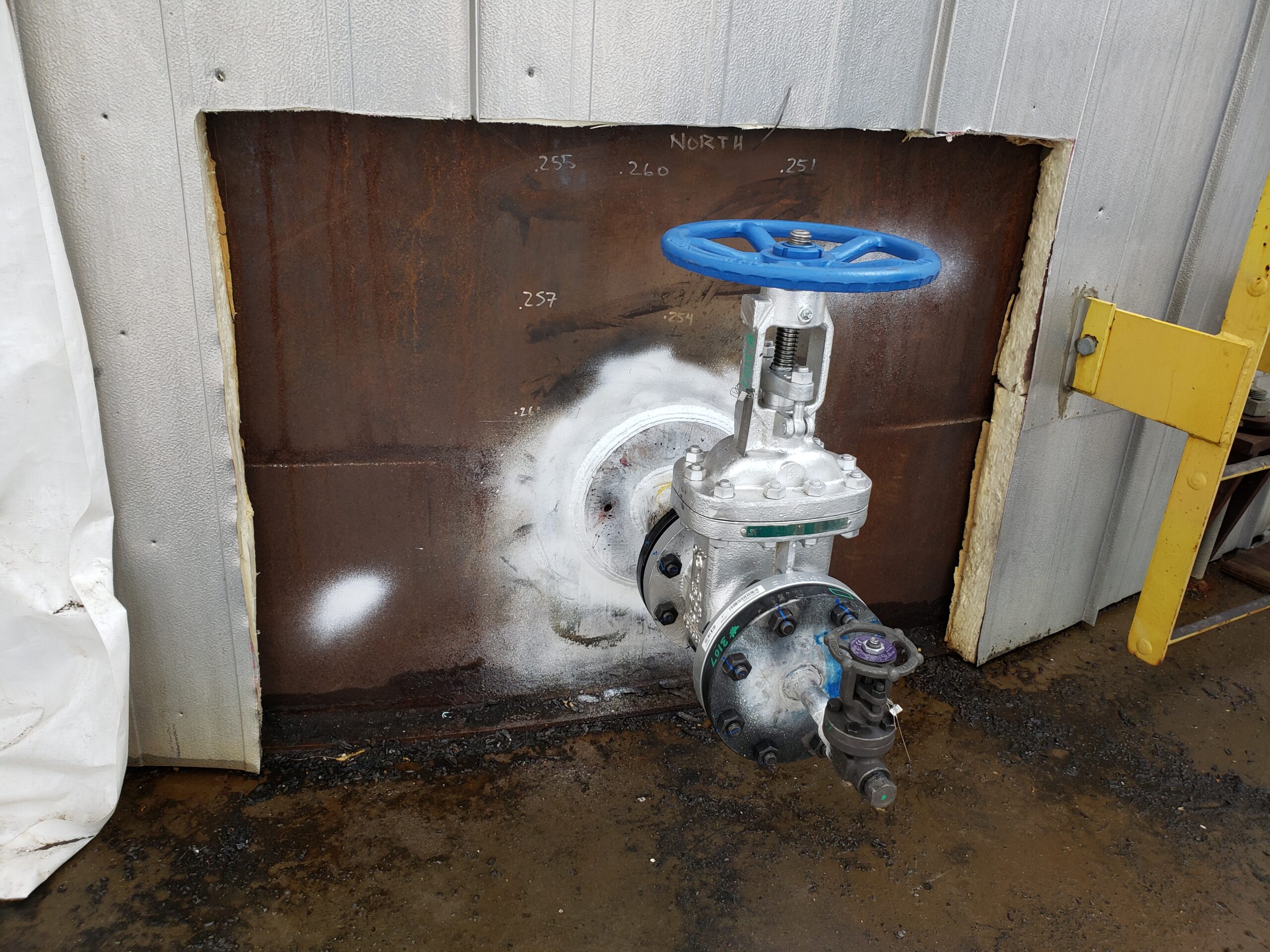
The EnReach Team are experts in Tank Hot Tapping. Our tank hot tap expertise and safety are of the highest standards in the industry.
A benefit to tank hot taps is that it allows a pipe to continue operating while additions or repairs are made. This saves time, money, and is safer than shutting down your piping system.
Our technicians are certified and trained in acetylene, acid, chloride, chlorine, combustible gas, compressed air, ethylene, high pressure steam, hydraulic oil, hydrogen sulphide, hydrofluoric acid, hydrogen, methane, natural gas, oxygen, peroxide, propene, propene oxide, sulphuric acid, and various other toxic and hazardous substances.
We have been performing tank taps since 2006. Due to most fluids being hazardous, you should only work with tank hot taps specialists.
Tank Hot Taps
The EnReach Team are experts in Tank Hot Tapping. Our tank hot tap expertise and safety are of the highest standards in the industry.
A benefit to tank hot taps is that it allows a pipe to continue operating while additions or repairs are made. This saves time, money, and is safer than shutting down your piping system.
Our technicians are certified and trained in acetylene, acid, chloride, chlorine, combustible gas, compressed air, ethylene, high pressure steam, hydraulic oil, hydrogen sulphide, hydrofluoric acid, hydrogen, methane, natural gas, oxygen, peroxide, propene, propene oxide, sulphuric acid, and various other toxic and hazardous substances.
We have been performing tank taps since 2006. Due to most fluids being hazardous, you should only work with tank hot taps specialists.
Tank Hot Taps
The EnReach Team are experts in Tank Hot Tapping. Our tank hot tap expertise and safety are of the highest standards in the industry.
A benefit to tank hot taps is that it allows a pipe to continue operating while additions or repairs are made. This saves time, money, and is safer than shutting down your piping system.
Our technicians are certified and trained in acetylene, acid, chloride, chlorine, combustible gas, compressed air, ethylene, high pressure steam, hydraulic oil, hydrogen sulphide, hydrofluoric acid, hydrogen, methane, natural gas, oxygen, peroxide, propene, propene oxide, sulphuric acid, and various other toxic and hazardous substances.
We have been performing tank taps since 2006. Due to most fluids being hazardous, you should only work with tank hot taps specialists.
Surface Taps
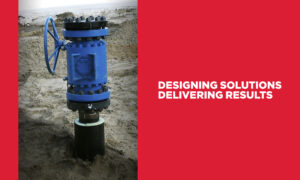
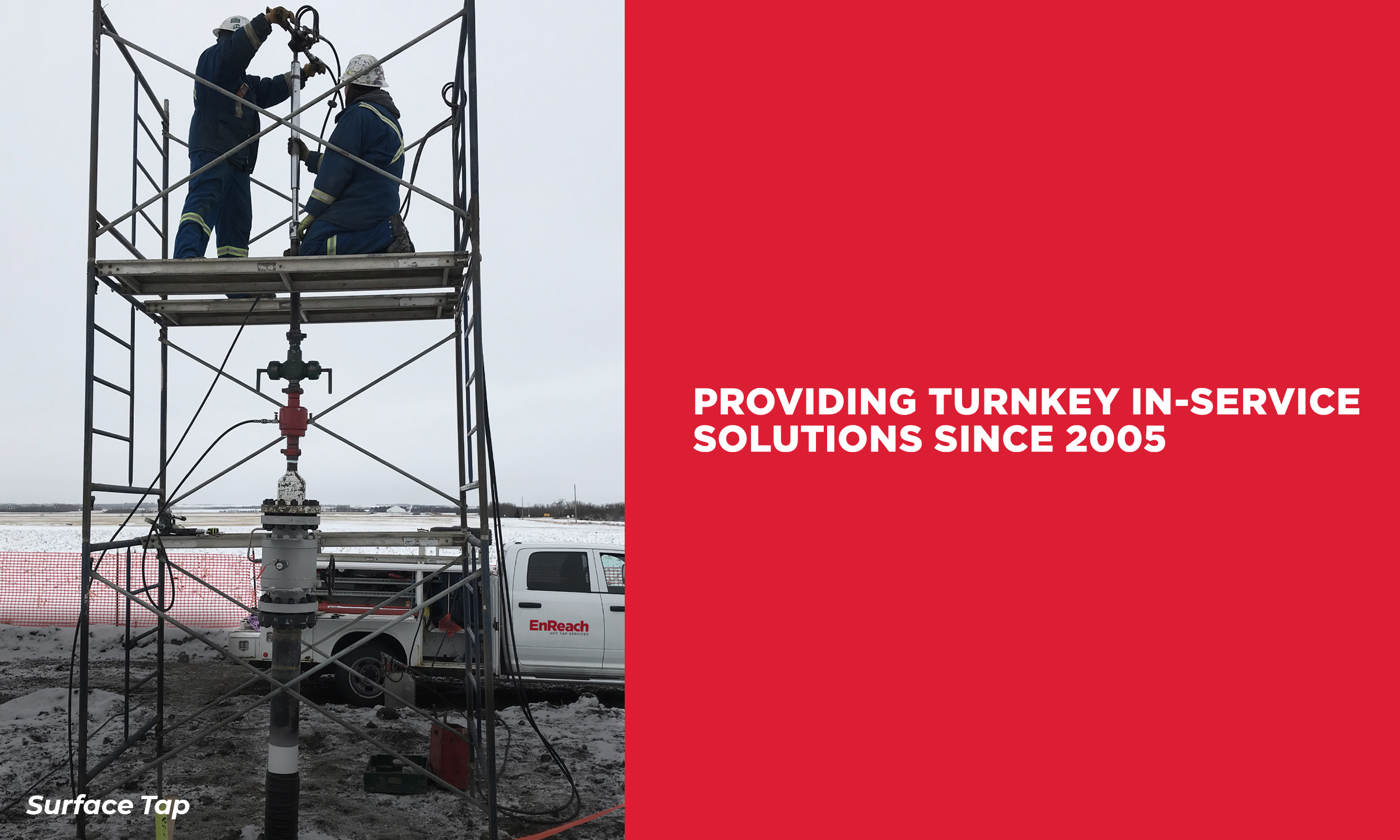
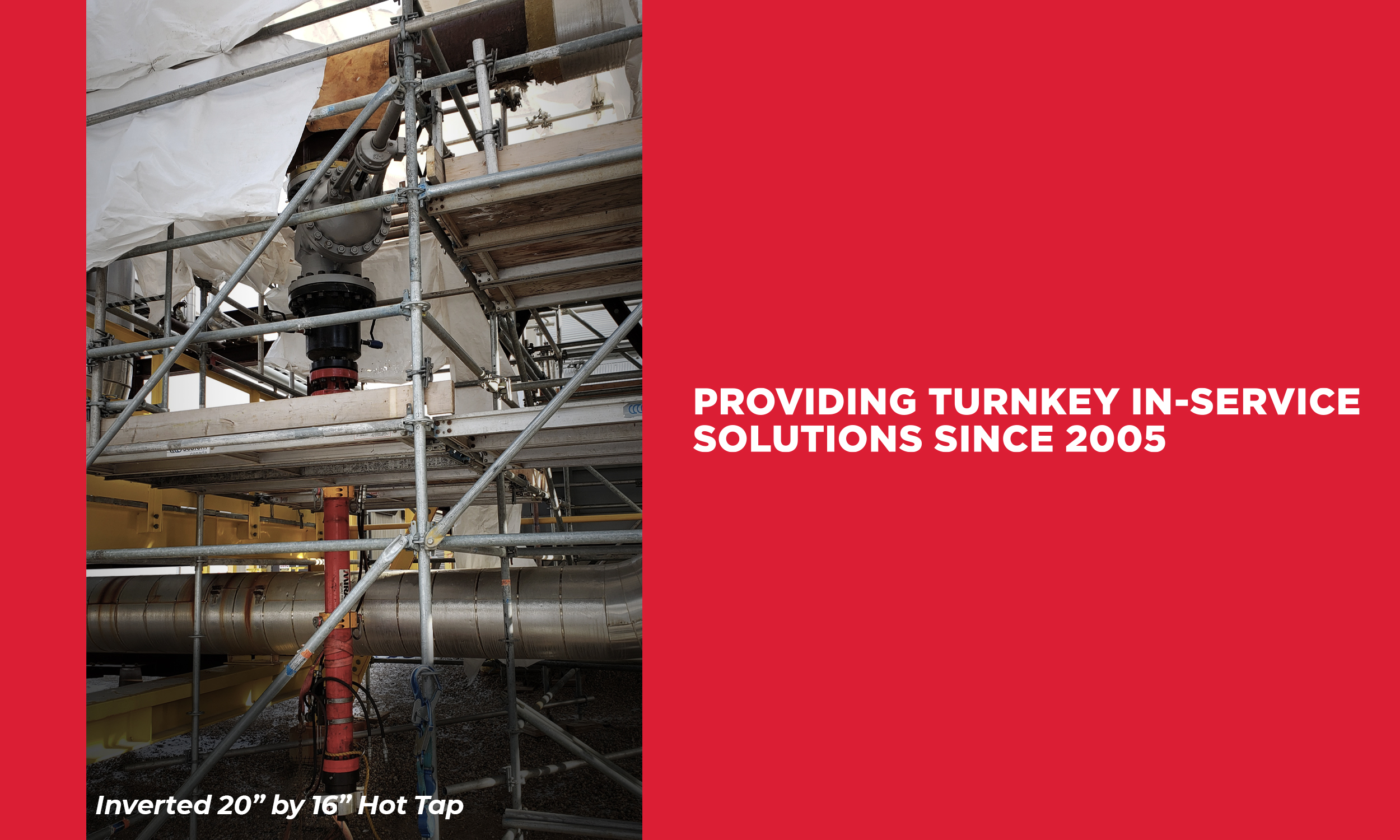
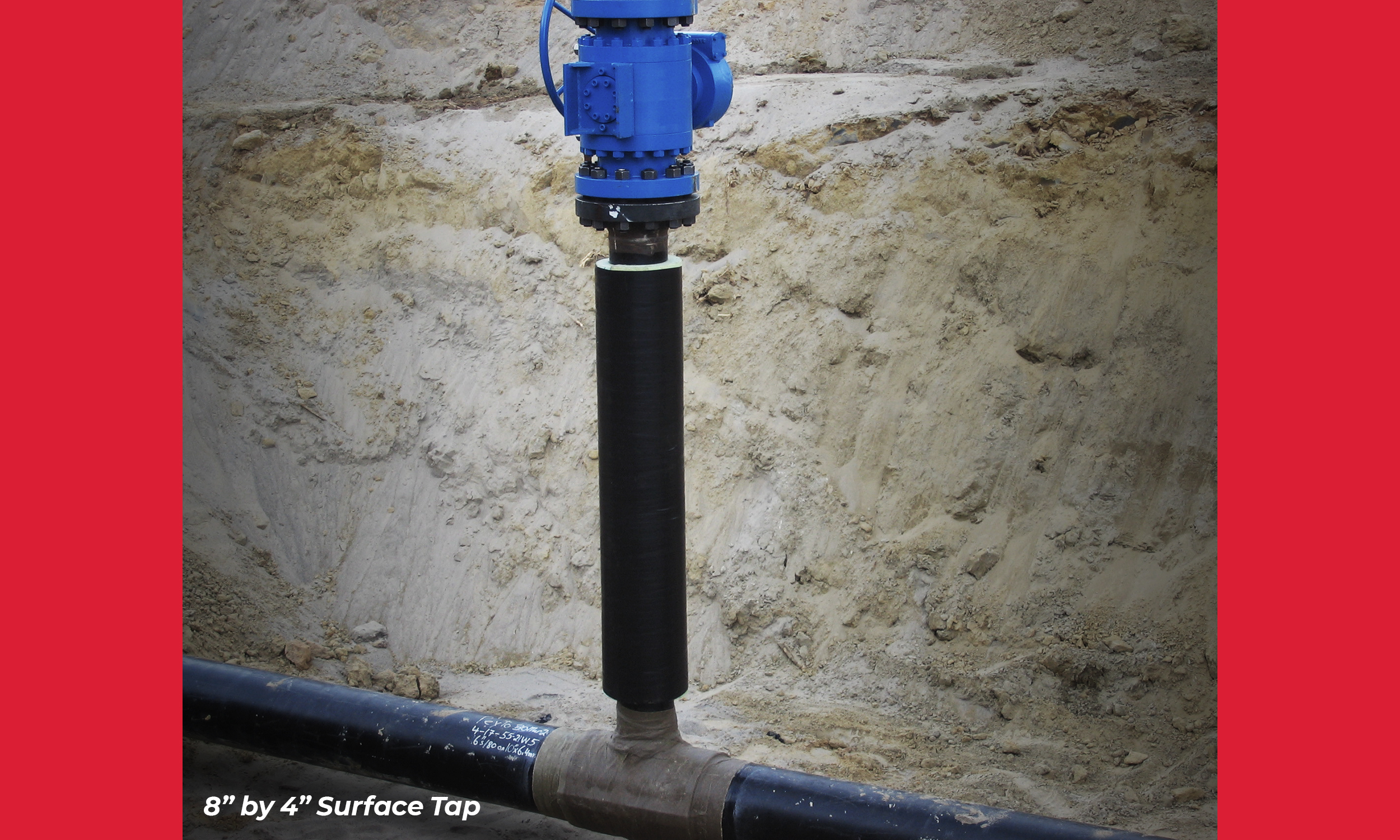
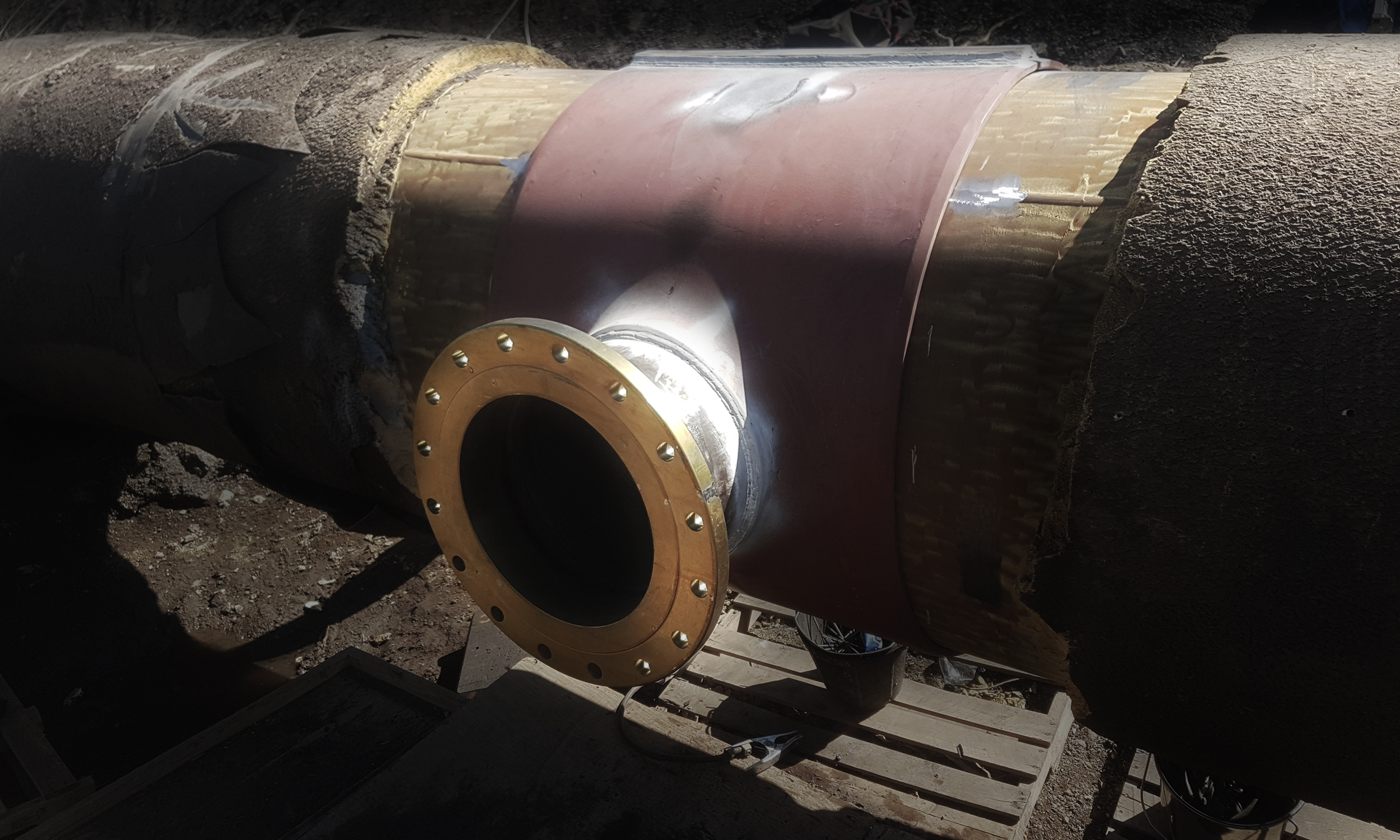
One variation of the stub nipple hot tap is EnReach’s patented “Surface Tap”. This was our first patent and is a method for hot tapping that leaves the valve above ground with the use of a welded riser. This arrangement eliminates the need to bury the valve and the bolted connections.
Our patented process enables the end user to use this above ground valve as a control valve or as part of a pig launcher and receiver system. Pig bars can be set into the nipple after a hot tap is completed so that when the main line is pigged there is no chance it will get stuck in the branch connection.
Hot Tap sizes available: 2”-6”
Travel Distance: Unlimited
Surface Taps
One variation of the stub nipple hot tap is EnReach’s patented “Surface Tap”. This was our first patent and is a method for hot tapping that leaves the valve above ground with the use of a welded riser. This arrangement eliminates the need to bury the valve and the bolted connections.
Our patented process enables the end user to use this above ground valve as a control valve or as part of a pig launcher and receiver system. Pig bars can be set into the nipple after a hot tap is completed so that when the main line is pigged there is no chance it will get stuck in the branch connection.
Hot Tap sizes available: 2”-6”
Travel Distance: Unlimited
Hot tap Fundamentals
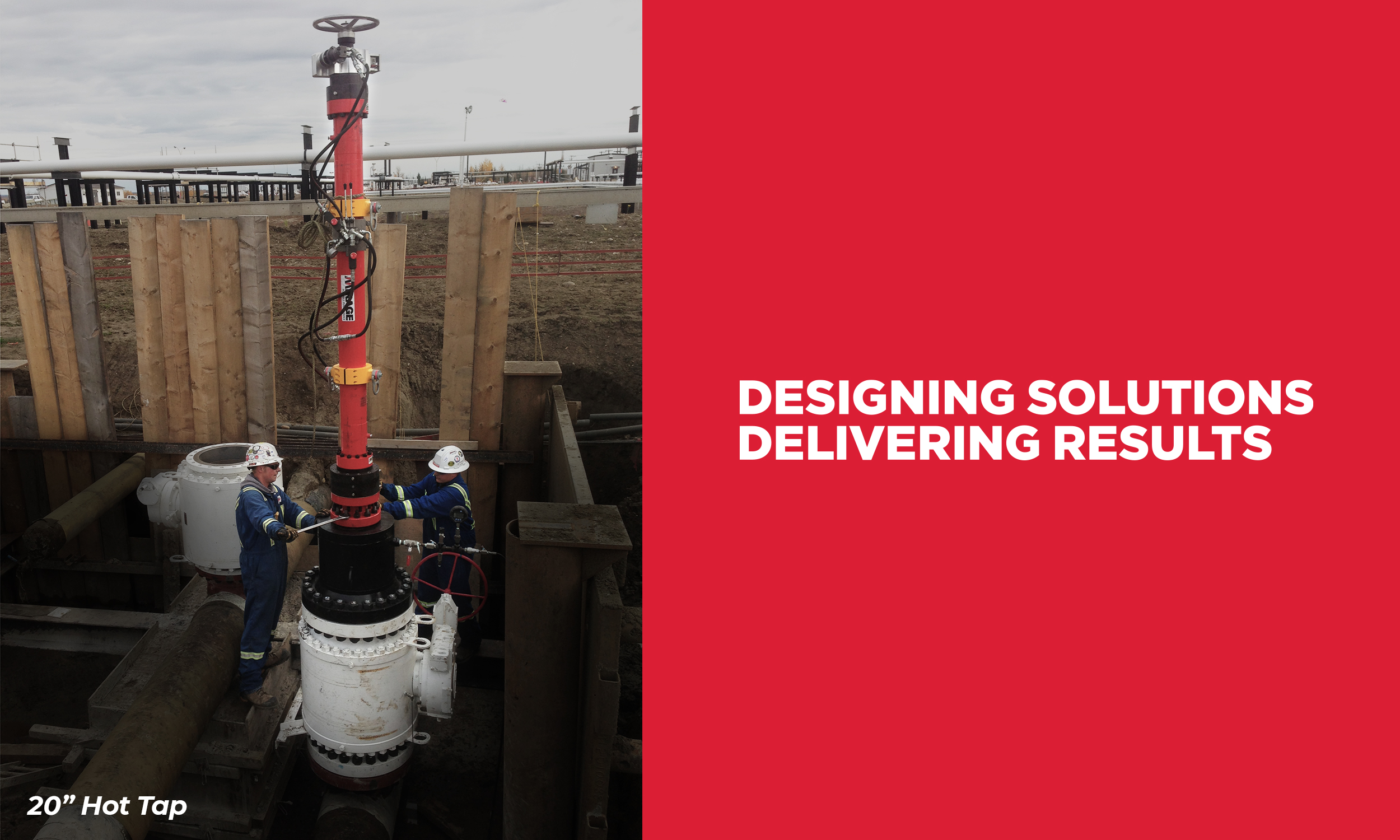
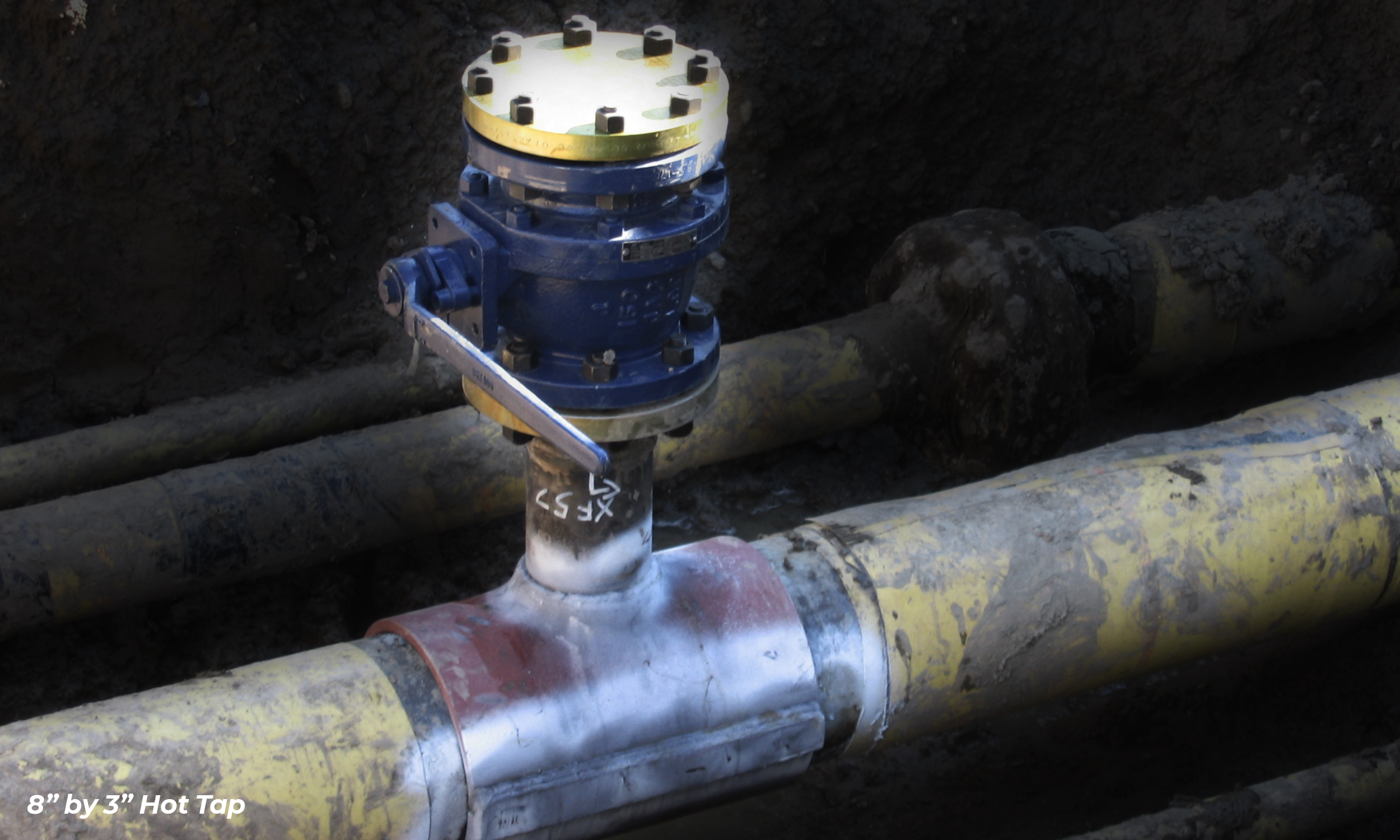
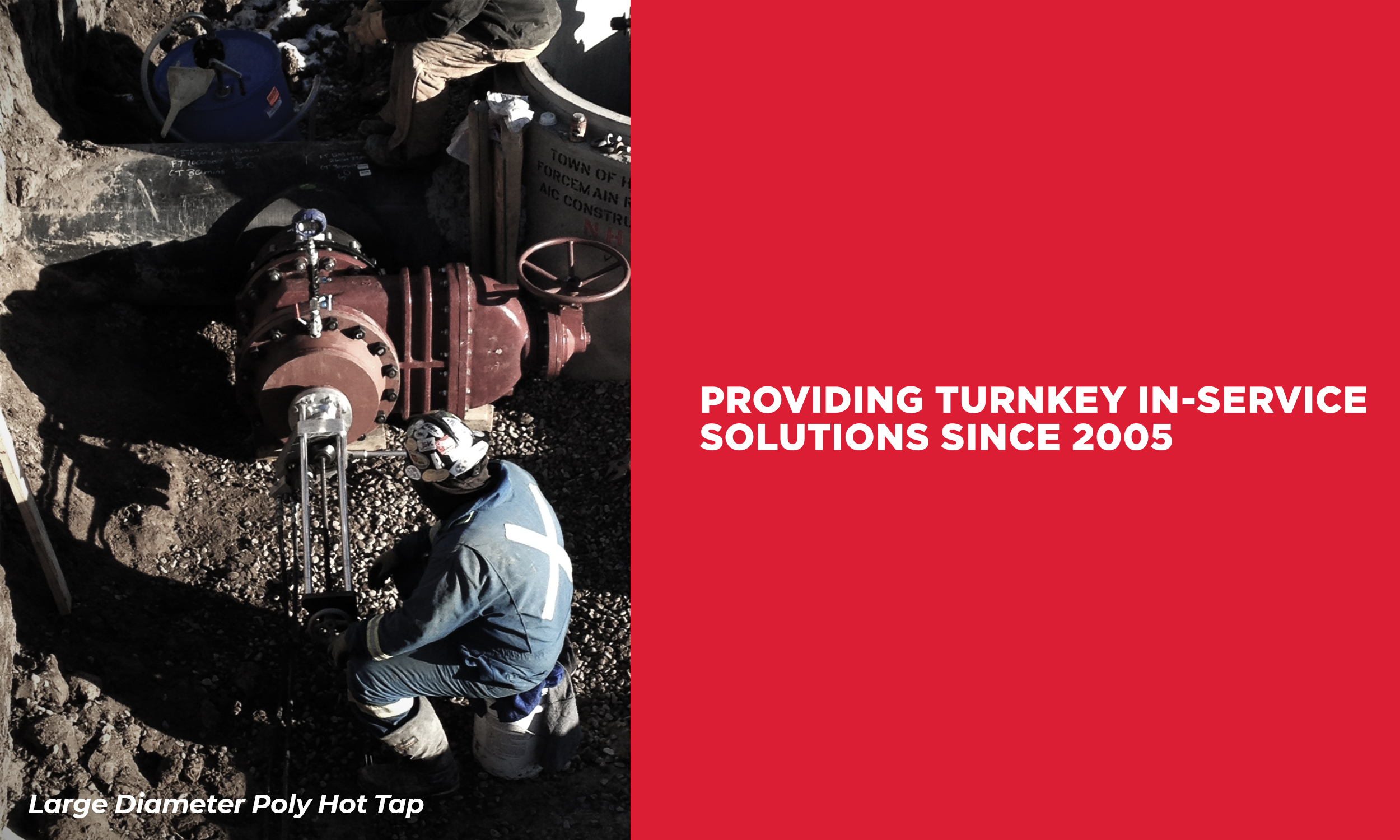
Hot tapping is the process for installing new branch connections on operating assets including piping, pipelines, tanks, and pressure vessels. Hot tapping allows assets to remain in-service with no interruption to operating conditions. Hot tapping can be done at almost any size, ratio, and orientation. Hot taps can be completed with olets (welded, threaded, socket, and elbow), pipe nipples with reinforcement, split tees, bolted saddles, and fused saddles for HDPE piping. Hot taps can also be used for line stops and installation of flow meters, corrosion monitoring devices, and injection quills. Guide/pig bars can be installed after a hot tap is complete to ensure no equipment gets stuck at the branch opening in the future.
Why choose a hot tap? EnReach hot taps are safer, and more economical in part because of minimal down time. Hot tapping also has the potential to significantly reduce environmental impact. Hot tapping is also typically used as a temporary connection in emergency situations, such as bypassing a seized valve until proper repairs can be made during the next scheduled shutdown of a line.
Benefits of hot tapping:
- Complete construction, repairs, or modification without shutting down assets.
- Cost less then traditional tie-ins requiring shutdown, purge, construction, commissioning, and start up.
- Increase safety when done by technical experts by minimizing work scope (EG. Work task, people required to complete, multiple trades, shut down, and start up.
- Less environmental impact due to no need to blowdown flare, and minimization of activated to install new hot taps.
Hot tap Fundamentals
Hot tapping is the process for installing new branch connections on operating assets including piping, pipelines, tanks, and pressure vessels. Hot tapping allows assets to remain in-service with no interruption to operating conditions. Hot tapping can be done at almost any size, ratio, and orientation. Hot taps can be completed with olets (welded, threaded, socket, and elbow), pipe nipples with reinforcement, split tees, bolted saddles, and fused saddles for HDPE piping. Hot taps can also be used for line stops and installation of flow meters, corrosion monitoring devices, and injection quills. Guide/pig bars can be installed after a hot tap is complete to ensure no equipment gets stuck at the branch opening in the future.
Why choose a hot tap? EnReach hot taps are safer, and more economical in part because of minimal down time. Hot tapping also has the potential to significantly reduce environmental impact. Hot tapping is also typically used as a temporary connection in emergency situations, such as bypassing a seized valve until proper repairs can be made during the next scheduled shutdown of a line.
Benefits of hot tapping:
- Complete construction, repairs, or modification without shutting down assets.
- Cost less then traditional tie-ins requiring shutdown, purge, construction, commissioning, and start up.
- Increase safety when done by technical experts by minimizing work scope (EG. Work task, people required to complete, multiple trades, shut down, and start up.
- Less environmental impact due to no need to blowdown flare, and minimization of activated to install new hot taps.
FAQ
Q: How many hot taps has EnReach completed?
A: Over 4000 and counting.
Q: Why would someone utilize a hot tap?
A: Hot taps allow a client to tie into their system without any impacts to operations. Hot Taps are safer, simpler and, more cost effective than a shut down.
Q: What type of valves are used in hot tapping?
A: Ball or Gate valve. Full port is an additional requirement.
Q: Can a hot tap be completed to match the size of pipe, size on size?
A: Yes. This connection is done with a split tee or spherical fitting.
Q: What are some limitations of pressure testing a hot tap?
A: For branch type hot taps such as olets, stub nipple/reinforcement the test pressure will be the same as the main line test pressure or spec. For split tees and spherical fittings it can not exceed 1.1 times operating pressure at the time of the pressure testing due to the external loading.
Q: Does a hot tap drill cut the full inside diameter (ID) of the branch connection?
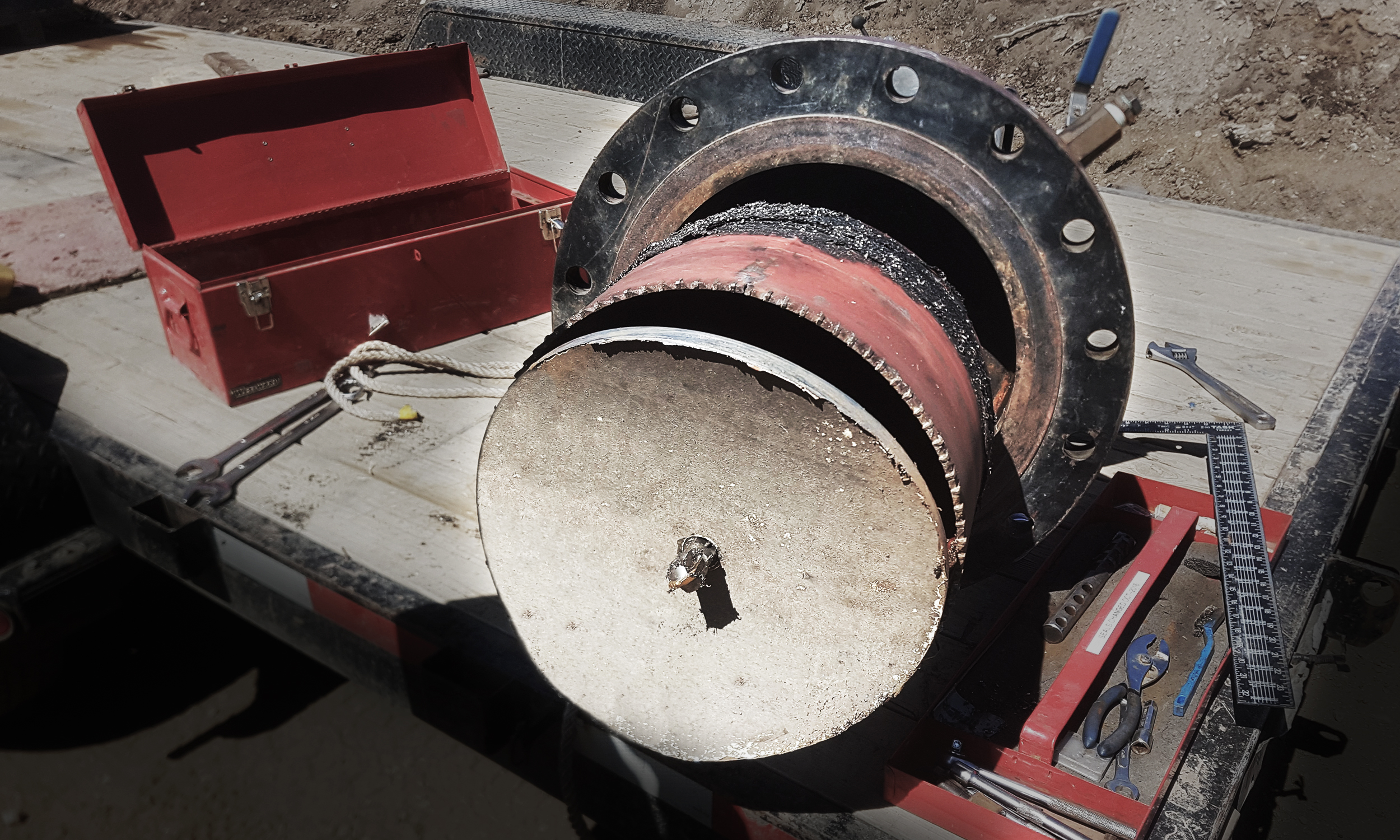
A: During a hot tap the pilot bit and hole saw assembly requires approximately 1/8” to allow the shavings to clear, the hole will then be slightly smaller than the diameter of the nipple attached to the pipe.
Q: Is burn through a real threat during the welding of a hot tap?
A: Yes, but EnReach Hot Tap Services has engineered solutions to mitigate this risk.
Q: Are there any products that limit if a hot tap can be performed?
A: EnReach will provide a feasibility of each hot tap. Some of examples of potential limitations are:
- Vapor/air or vapor/oxygen mixtures
- Oxygen or oxygen enriched atmosphere
- Hydrogen
- Temperature-sensitive, chemically reactive materials
- Caustics, amines, and acids
Q: How is hydrogen-induced cracking prevented in the welds?
A: EnReach uses specialized welding techniques, highly trained welders, low hydrogen welding rods, and low hydrogen practices.
Q: What is the largest size of surface tap that can be completed?
A: Using EnReach’s patented surface tap system, up to an NPS 6” can be completed. However with different procedures we can add risers to any hot tap and bring the valve above ground.
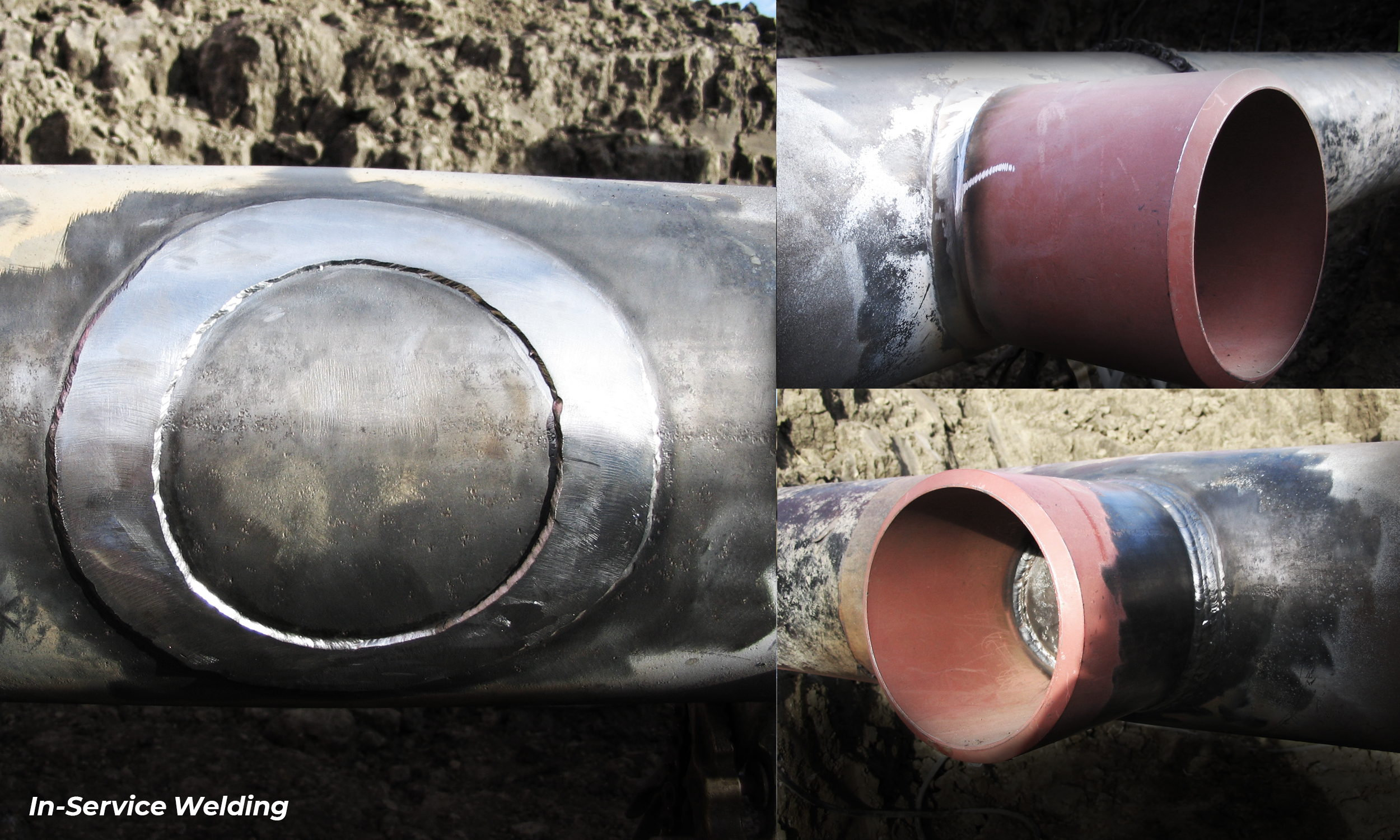
Q: What makes EnReach welding unique?
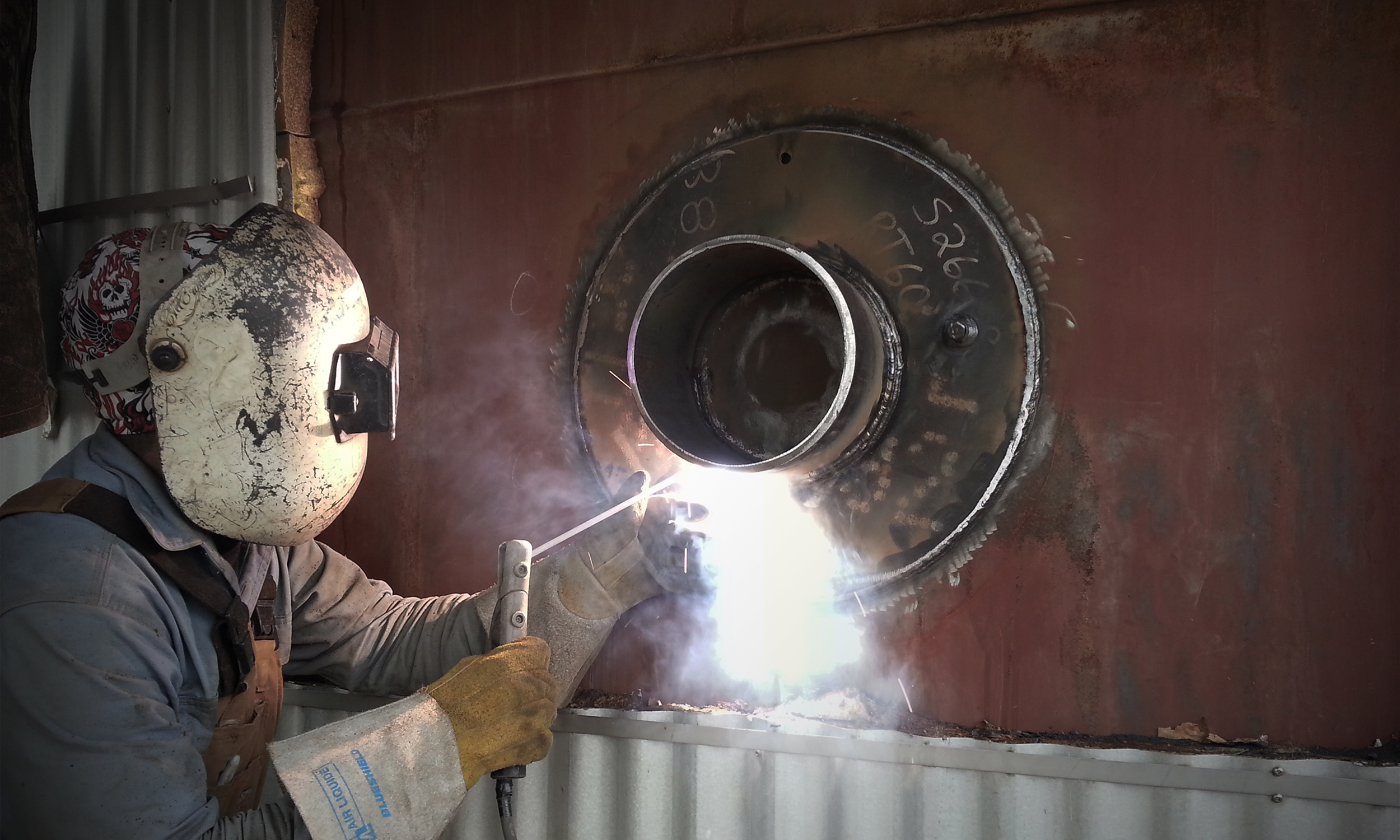
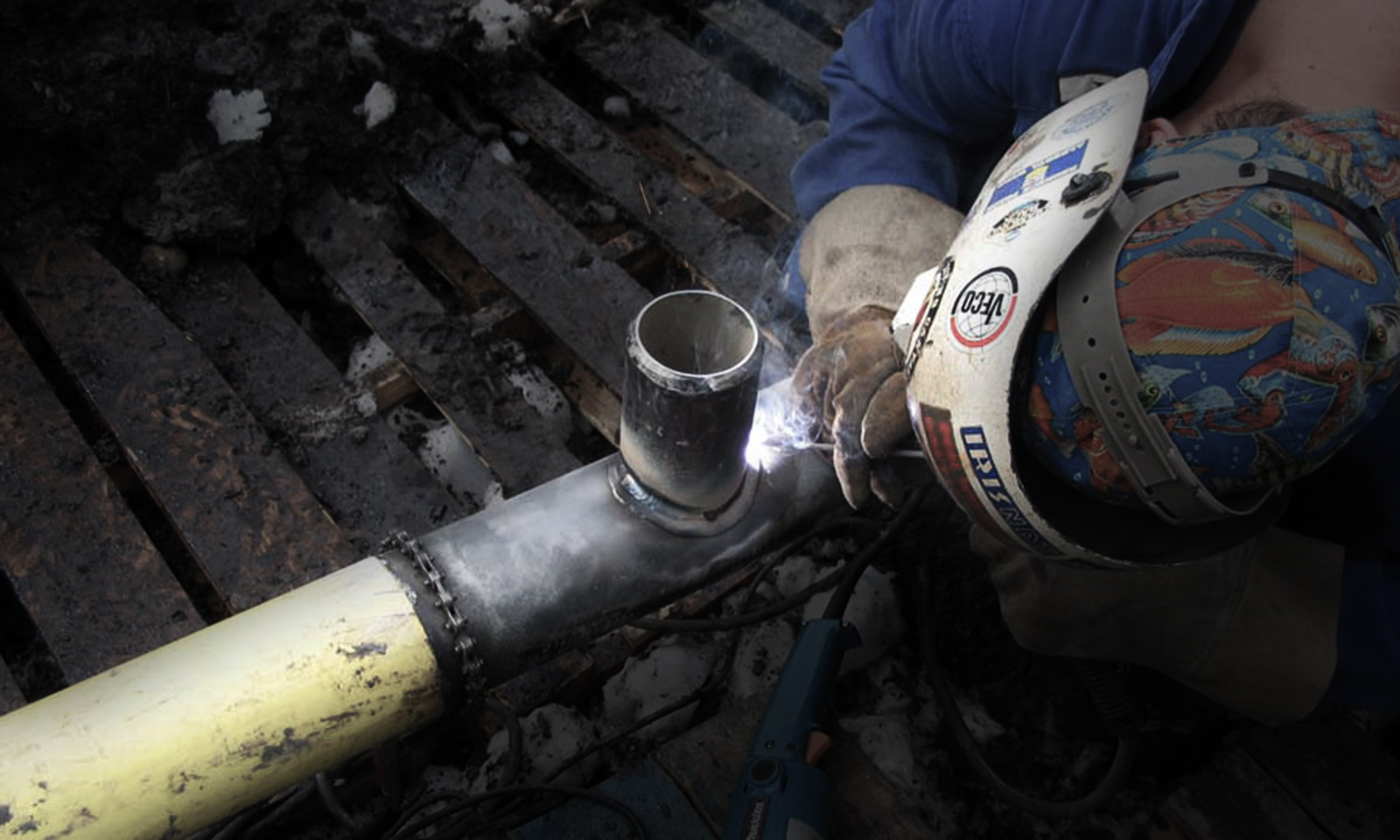
A: EnReach has proprietary welding techniques which allow us to produce repeatable welds exceeding code requirements in regards to safety, quality, and long term integrity. EnReach welders are trained extensively on in-service welding.
FAQ
Q: How many hot taps has EnReach completed?
A: Over 4000 and counting.
Q: Why would someone utilize a hot tap?
A: Hot taps allow a client to tie into their system without any impacts to operations. Hot Taps are safer, simpler and, more cost effective than a shut down.
Q: What type of valves are used in hot tapping?
A: Ball or Gate valve. Full port is an additional requirement.
Q: Can a hot tap be completed to match the size of pipe, size on size?
A: Yes. This connection is done with a split tee or spherical fitting.
Q: What are some limitations of pressure testing a hot tap?
A: For branch type hot taps such as olets, stub nipple/reinforcement the test pressure will be the same as the main line test pressure or spec. For split tees and spherical fittings it can not exceed 1.1 times operating pressure at the time of the pressure testing due to the external loading.
Q: Does a hot tap drill cut the full inside diameter (ID) of the branch connection?
A: During a hot tap the pilot bit and hole saw assembly requires approximately 1/8” to allow the shavings to clear, the hole will then be slightly smaller than the diameter of the nipple attached to the pipe.
Q: Is burn through a real threat during the welding of a hot tap?
A: Yes, but EnReach Hot Tap Services has engineered solutions to mitigate this risk.
Q: Are there any products that limit if a hot tap can be performed?
A: EnReach will provide a feasibility of each hot tap. Some of examples of potential limitations are:
- Vapor/air or vapor/oxygen mixtures
- Oxygen or oxygen enriched atmosphere
- Hydrogen
- Temperature-sensitive, chemically reactive materials
- Caustics, amines, and acids
Q: How is hydrogen-induced cracking prevented in the welds?
A: EnReach uses specialized welding techniques, highly trained welders, low hydrogen welding rods, and low hydrogen practices.
Q: What is the largest size of surface tap that can be completed?
A: Using EnReach’s patented surface tap system, up to an NPS 6” can be completed. However with different procedures we can add risers to any hot tap and bring the valve above ground.
Q: What makes EnReach welding unique?
A: EnReach has proprietary welding techniques which allow us to produce repeatable welds exceeding code requirements in regards to safety, quality, and long term integrity. EnReach welders are trained extensively on in-service welding.


Hot Tapping: The Low Impact Solution.
In 2016, The United States Environmental Protection Agency conducted research into the usage of hot tapping procedures.
Their research determined hot tapping presents opportunities for both time and cost savings, as well as minimizing impact on the surrounding environment.
Learn more ⇒
Introducing our revolutionary Pipeline Isolation Technology

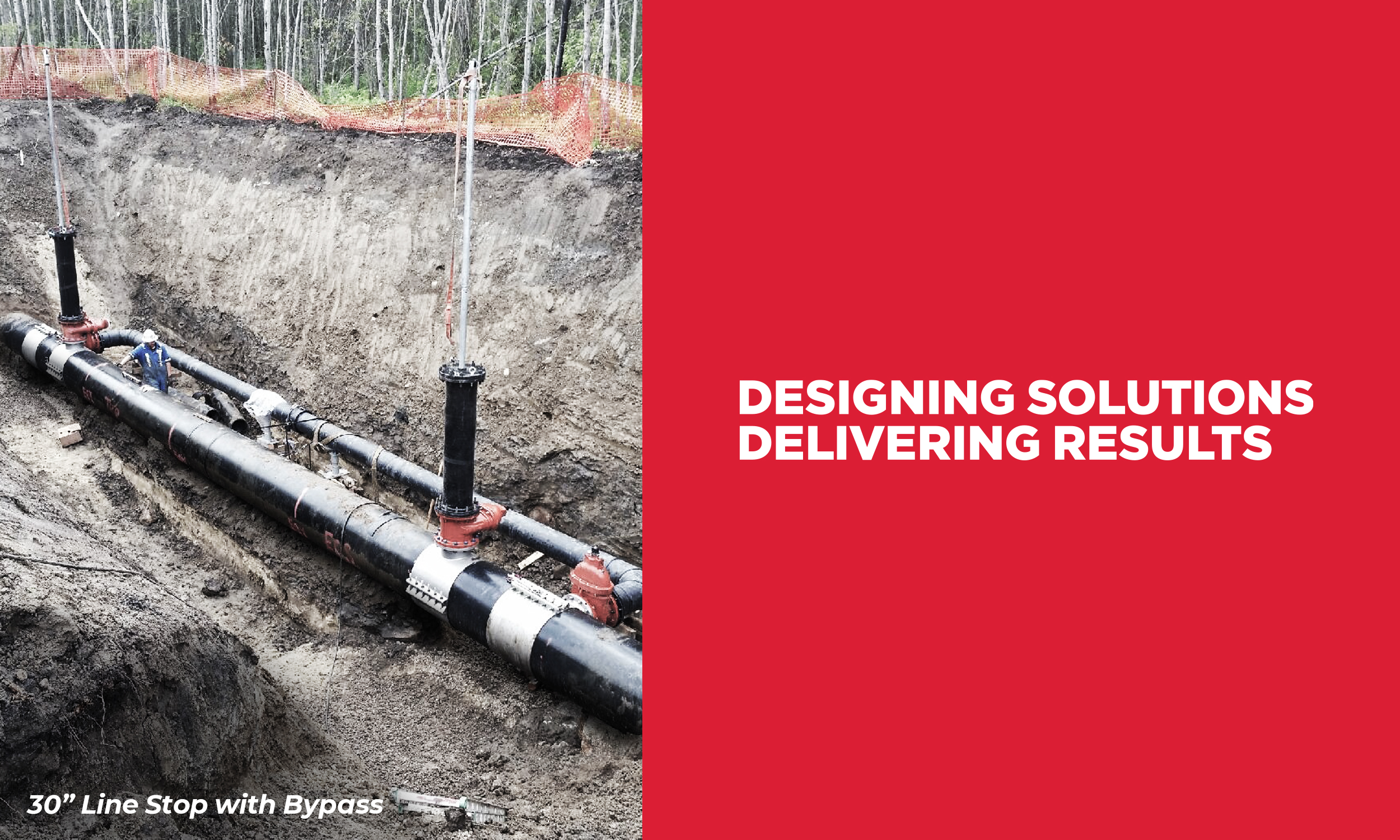
EnReach has developed a breakthrough in line stop technology that offers maximum safety and performance. This technology can be applied to all types of systems from oil and gas to water/wastewater. Learn more about this cutting edge technology here.
Capability
EnReach line stop technology provides:
- Double block and bleed
- Independent “energized” seals
- Independent of line pressure
- Seals are pressure tested once installed
- Purge capabilities
- Single head for both seals
- 24/7 field service
- 24/7 technical support
- Global capability
Capability
EnReach line stop technology provides:
- Double block and bleed
- Independent “energized” seals
- Independent of line pressure
- Seals are pressure tested once installed
- Purge capabilities
- Single head for both seals
- 24/7 field service
- 24/7 technical support
- Global capability
Line Stop Fundamentals
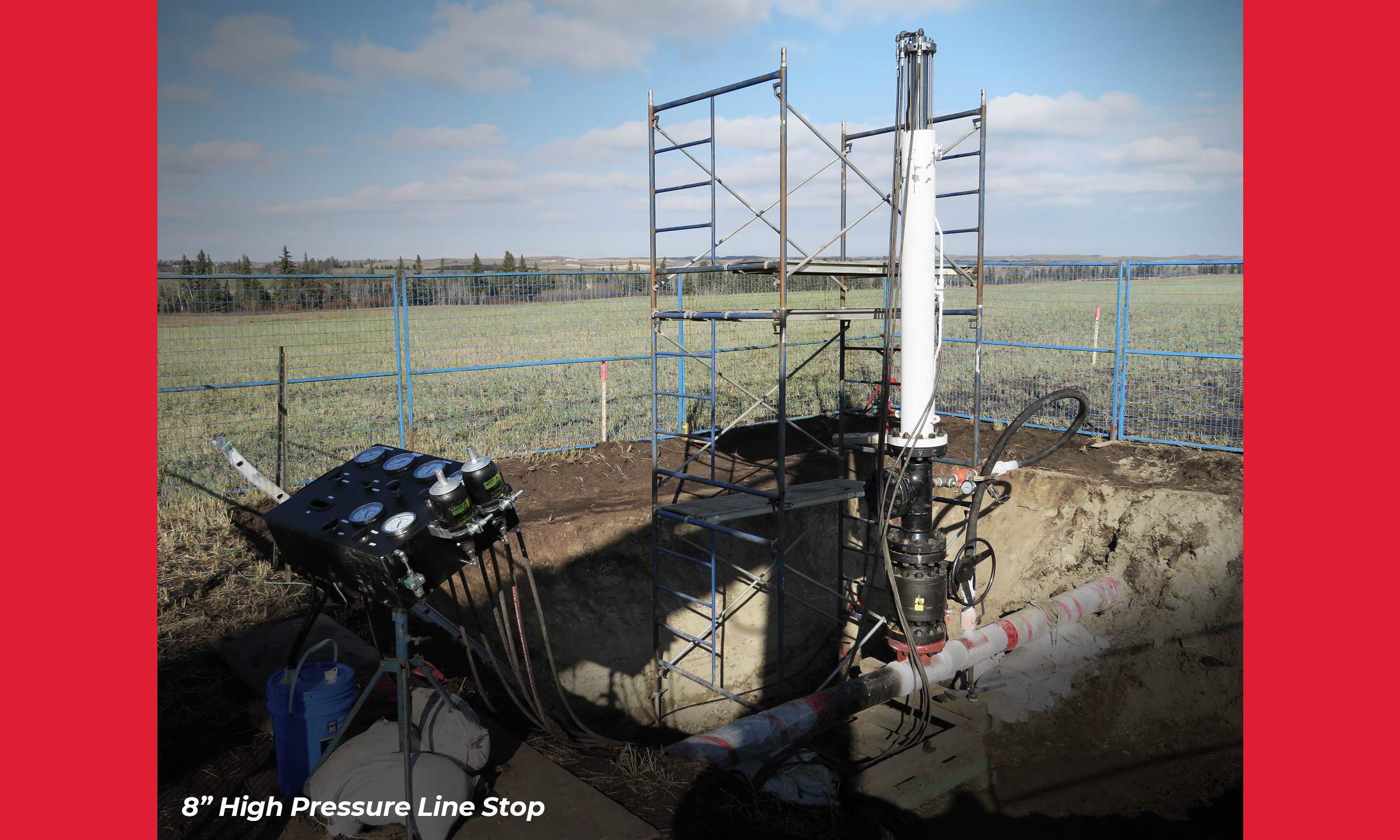
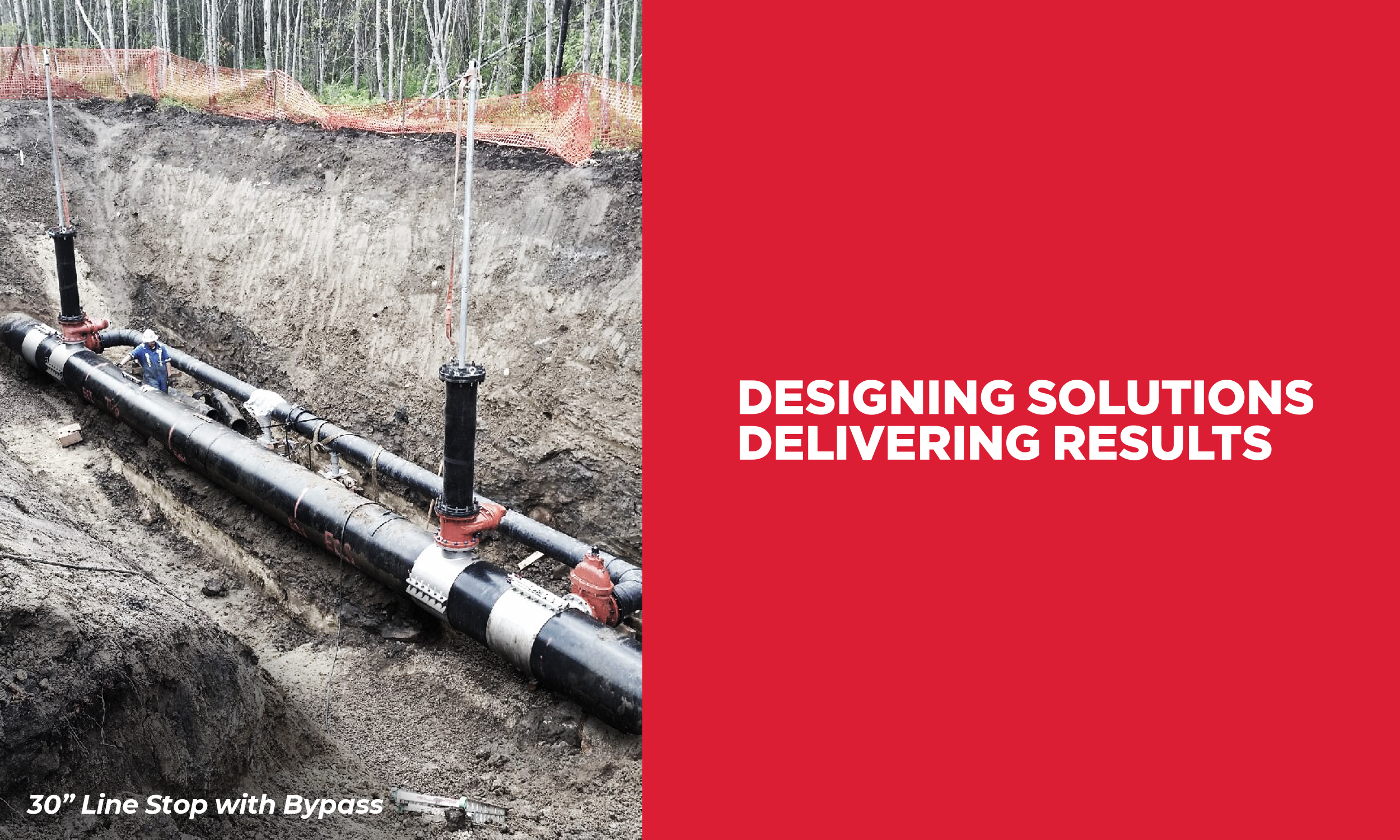
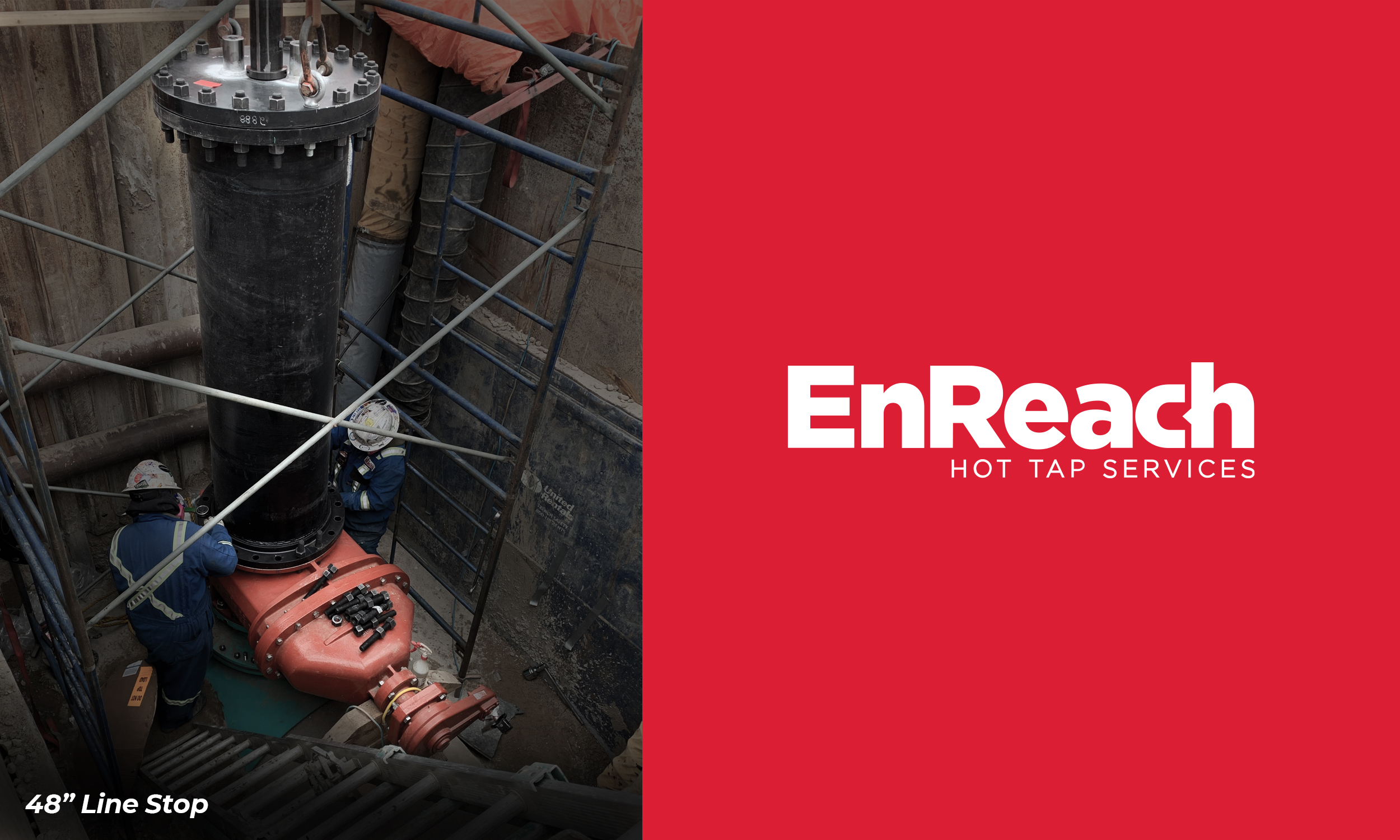
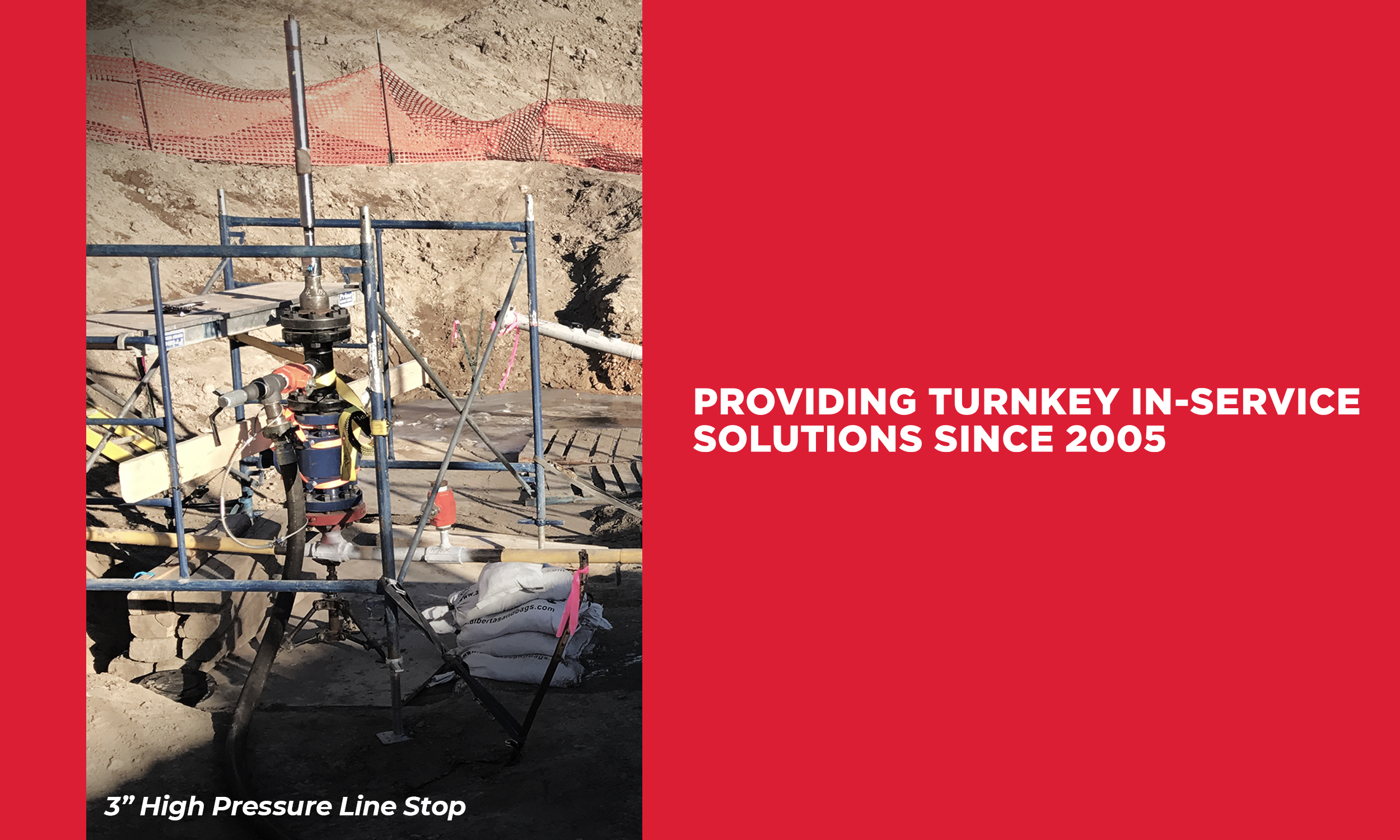
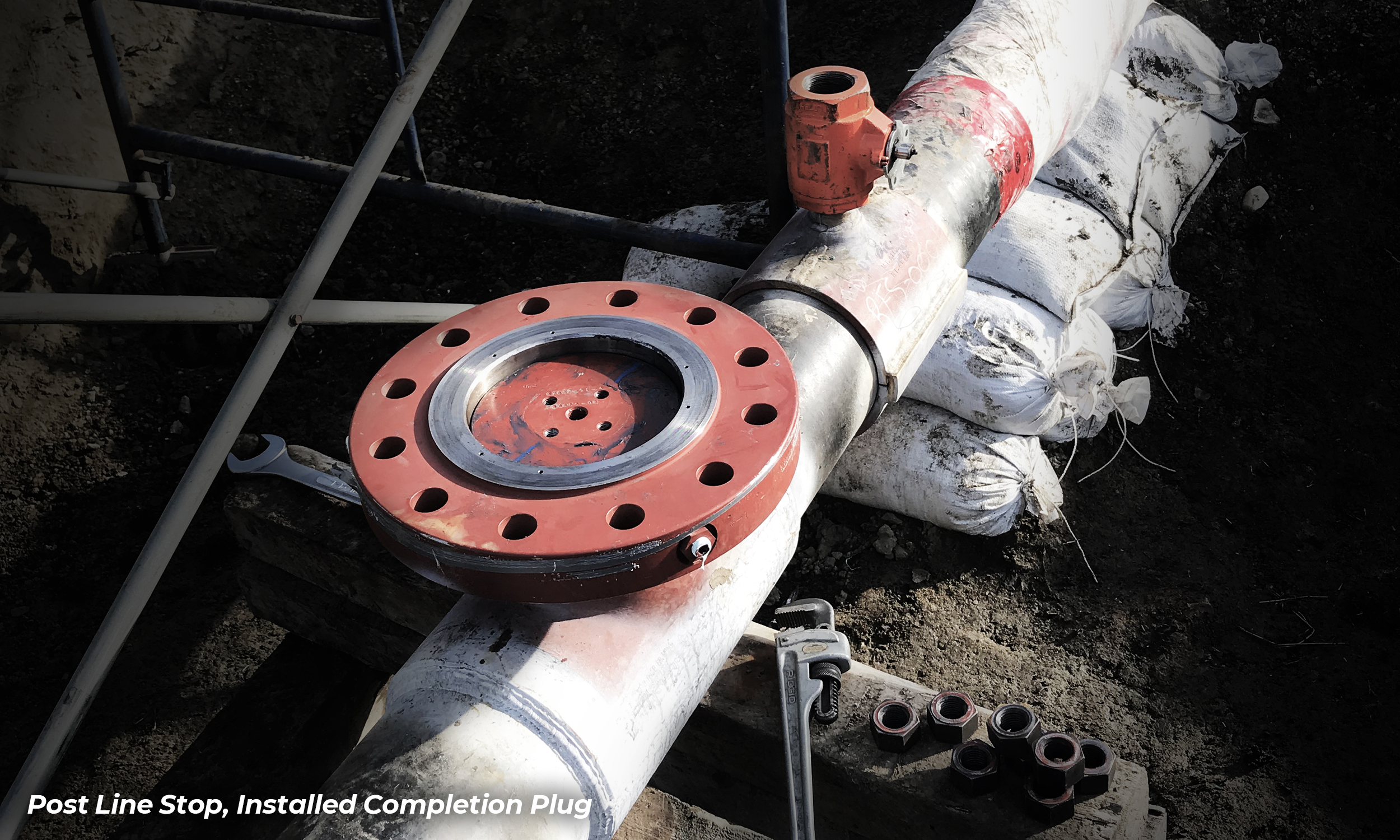
Line stopping is when a temporary isolation is performed through a branch. Line stops can be installed on all types of pipe including steel, HDPE, PVC, and concrete. A single line stop can be used to stop off and avoid a shutdown. Line stops can be installed in tandem to isolate a section between the two stops, and temporary bypasses can be set up around the line stops so assets can keep operating. After line stops are complete the fittings utilized can be isolated (with a completion plug) so that valves can be removed, and a blind flange can be installed.
Why do a line stop? Line stops are typically completed when a client needs isolation and there is no suitable valve available. Line stops allow a system to operate as usual without any interruption of service. Often clients have a valve and would like to simply have a secondary isolation in place (double block). The amount of wasted product can be reduced because the entire line does not need to be emptied to perform the necessary work.
EnReach line stopping benefits:
- Industry leading technology offering the only true double isolation and bleed system currently.
- Reliable solution that does not get trapped during installation or removal.
- Ability to monitor seal status.
- More cost effective then shutting down a system to perform work.
Line Stop Fundamentals
Line stopping is when a temporary isolation is performed through a branch. Line stops can be installed on all types of pipe including steel, HDPE, PVC, and concrete. A single line stop can be used to stop off and avoid a shutdown. Line stops can be installed in tandem to isolate a section between the two stops, and temporary bypasses can be set up around the line stops so assets can keep operating. After line stops are complete the fittings utilized can be isolated (with a completion plug) so that valves can be removed, and a blind flange can be installed.
Why do a line stop? Line stops are typically completed when a client needs isolation and there is no suitable valve available. Line stops allow a system to operate as usual without any interruption of service. Often clients have a valve and would like to simply have a secondary isolation in place (double block). The amount of wasted product can be reduced because the entire line does not need to be emptied to perform the necessary work.
EnReach line stopping benefits:
- Industry leading technology offering the only true double isolation and bleed system currently.
- Reliable solution that does not get trapped during installation or removal.
- Ability to monitor seal status.
- More cost effective then shutting down a system to perform work.
FAQ
Q: What is the advantage of EnReach’s patented line stop technology?
A: EnReach has a true double block and bleed with two independent seals. This maximizes safety and performance compared to other technologies.
Q: Can you pressure test to ensure EnReach’s line stop is working correctly?
A: EnReach line stop technology can be pressure tested after installation, without the need for any additional connections to ensure a successful isolation.
Q: Can EnReach adjust the seals after installation?
A: Yes. EnReach does not have fixed seals or used compressing of elastomers to create its seal. We have total control of our seals.
Q: Can a line stop be completed through a reduced size branch connection?
A: Yes. EnReach has a technology for Class 150 lines that allows EnReach to utilize up to a 50% branch ratio reduction to complete double block and bleed line stops.
Q: Can you maintain pipeline flow rate and pressure during a line stop?
A: Yes. A bypass can be set up around the isolated section through either the line stop equipment or other tiepoints/hot taps.
Q: What is a completion plug?
A: The completion plug is a permanent isolation, and is installed in the hot tap flange after the line stop is complete so the valve can be removed. The flange can then be blinded off.
FAQ
Q: What is the advantage of EnReach’s patented line stop technology?
A: EnReach has a true double block and bleed with two independent seals. This maximizes safety and performance compared to other technologies.
Q: Can you pressure test to ensure EnReach’s line stop is working correctly?
A: EnReach line stop technology can be pressure tested after installation, without the need for any additional connections to ensure a successful isolation.
Q: Can EnReach adjust the seals after installation?
A: Yes. EnReach does not have fixed seals or used compressing of elastomers to create its seal. We have total control of our seals.
Q: Can a line stop be completed through a reduced size branch connection?
A: Yes. EnReach has a technology for Class 150 lines that allows EnReach to utilize up to a 50% branch ratio reduction to complete double block and bleed line stops.
Q: Can you maintain pipeline flow rate and pressure during a line stop?
A: Yes. A bypass can be set up around the isolated section through either the line stop equipment or other tiepoints/hot taps.
Q: What is a completion plug?
A: The completion plug is a permanent isolation, and is installed in the hot tap flange after the line stop is complete so the valve can be removed. The flange can then be blinded off.

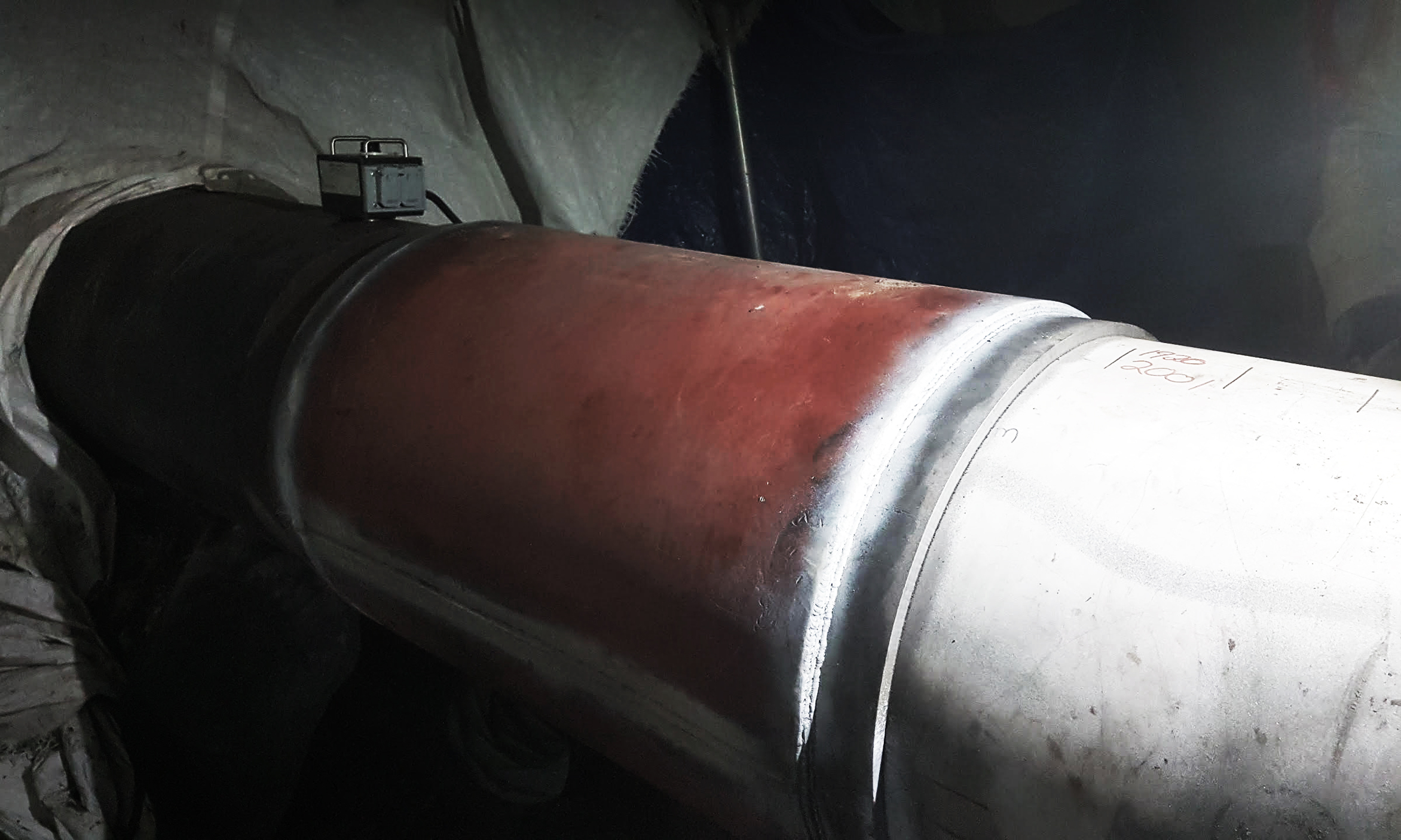
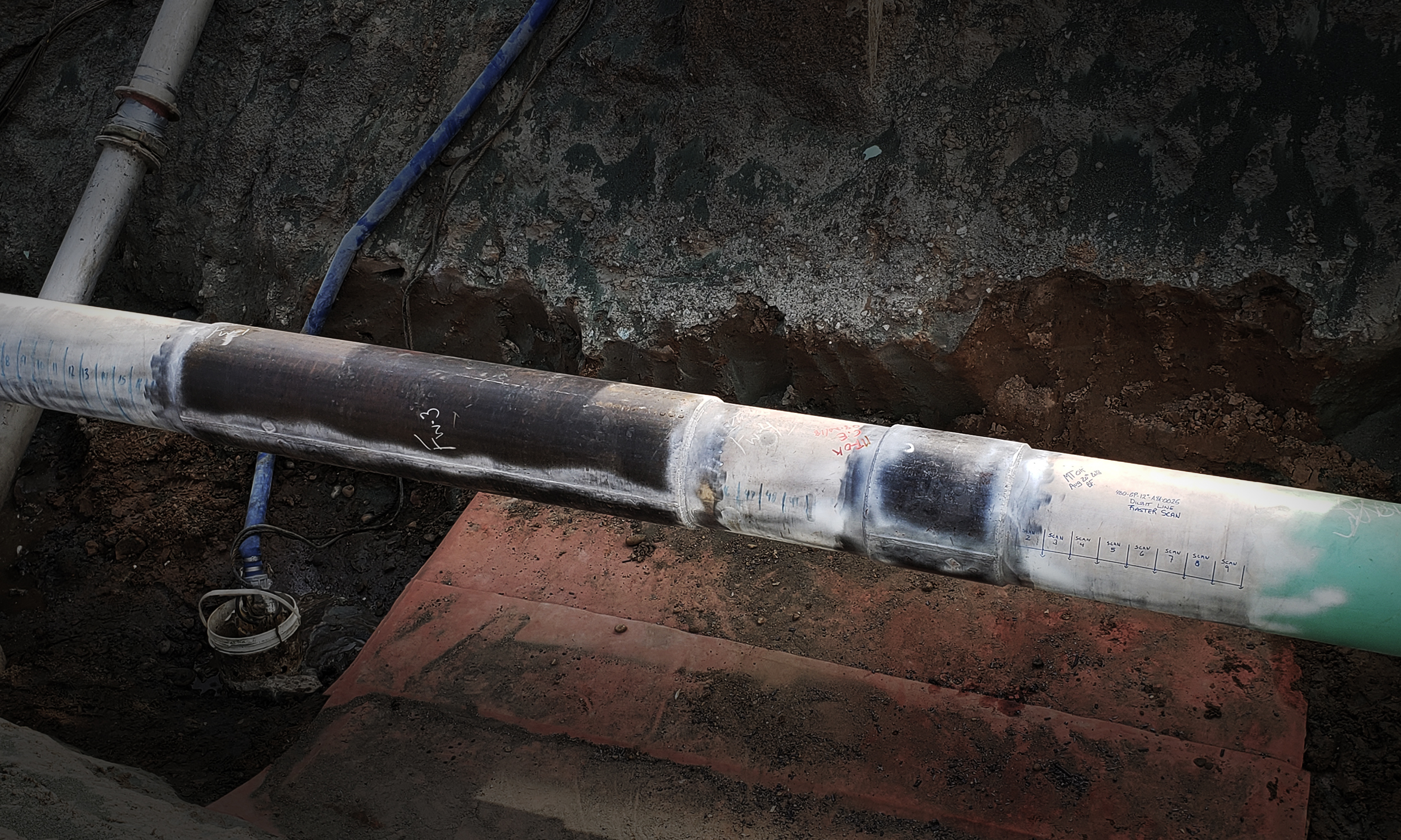
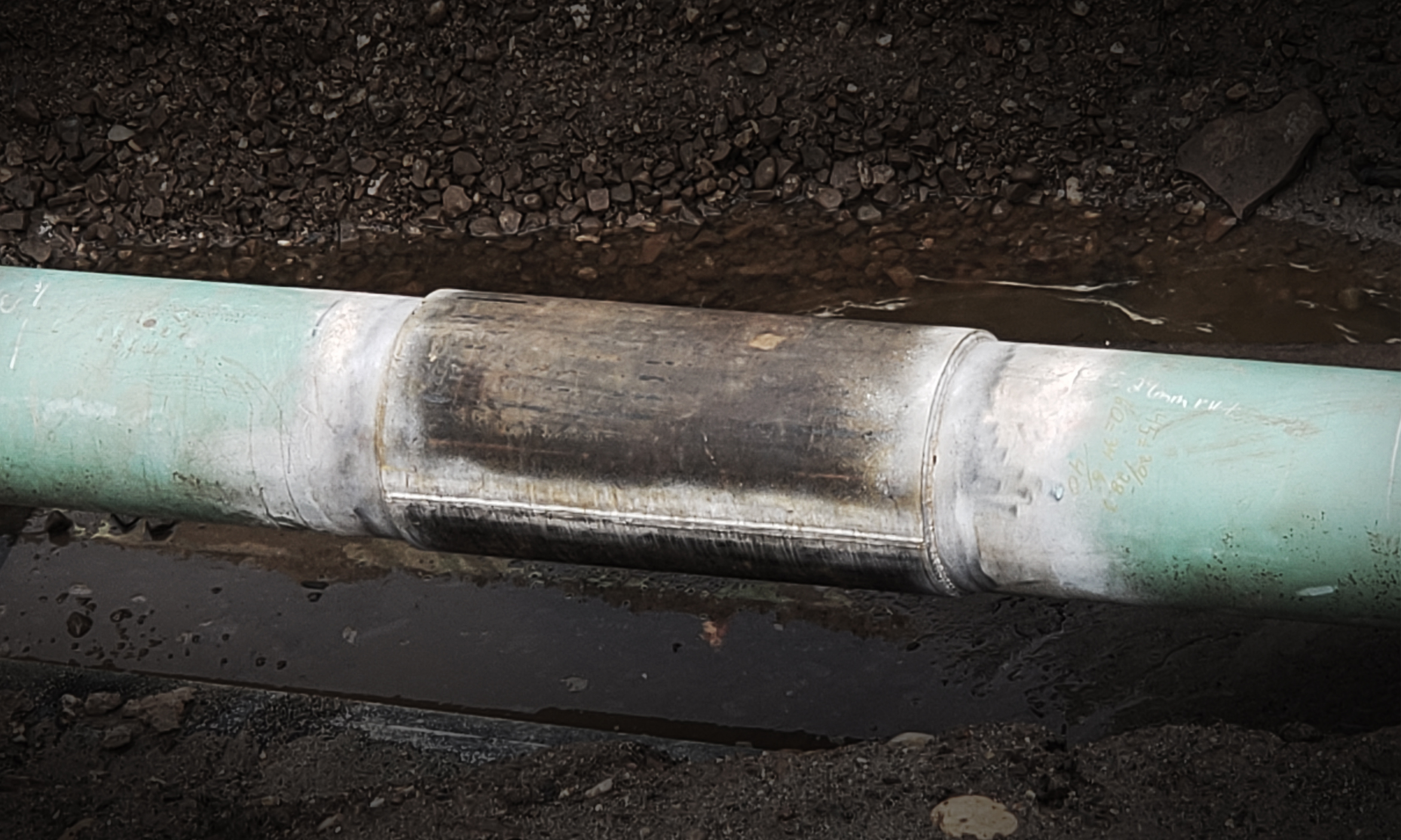
EnReach offers design, manufacturing, and installation services for repair and reinforcement sleeves. From pressure containment to reinforcing pipe, EnReach has a quality solution to fit your needs. With over 15 years of experience you can be certain an EnReach pipeline solution will exceed your expectations.
Capability
EnReach has design, manufacturing, and installation capabilities including:
- Sizes ranging from 3” to 60”
- Type A and Type B sleeves
- In-service welders
- Wall thickness as thin as 3.2mm
- High CE pipe up to 0.51
- Severe cooling lines
- Weld procedures specifically designed for installation of sleeves
- Quick turnaround
- 24/7 field service and technical support
- Global capability
Capability
EnReach has design, manufacturing, and installation capabilities including:
- Sizes ranging from 3” to 60”
- Type A and Type B sleeves
- In-service welders
- Wall thickness as thin as 3.2mm
- High CE pipe up to 0.51
- Severe cooling lines
- Weld procedures specifically designed for installation of sleeves
- Quick turnaround
- 24/7 field service and technical support
- Global capability
Pipe Sleeve Fundamentals
EnReach Expertise.
The repair of gas and liquid transmission lines is a common industry challenge. There are currently several repair methods being used to try and permanently restore the serviceability of lines. Not every method is appropriate for a given situation, so proper assessment is needed. EnReach works together with clients to help assess their specific repair challenges and recognizes that using effective, safe, and economical repair methods is critical.
Full encirclement steel reinforcing sleeves are one solution that is commonly used. These sleeves have a proven history of success when installed correctly. There are different types of sleeves and each type has its own benefits.
ENREACH PROVIDES THE FOLLOWING:
Type A Sleeve (Reinforcing)
Type A sleeves are made of two curved pieces of steel plate or two cylindrical halves of pipe that wrap tightly around a defective pipe section and are joined by welding the side seams. The sleeve ends are not welded circumferentially to the pipe.
Their main function is to restrain the defective pipe section from bulging due to internal pipe pressure. This discourages longitudinally orientated detects from growing and locally restores pipe strength. Circumferentially oriented defects are not arrested in the same way and can’t be repaired by a Type A sleeve. These sleeves are not capable of containing internal pressure and should only be used for the repair of defects that are not leaking and not expected to begin leaking in the future. Additionally, no in-service welding is required to install a Type-A sleeve.
Type B Sleeve (Pressure Containing)
Type B sleeves are identical to Type A sleeves except that in addition the sleeve ends are circumferentially welded to the pipe.
They function the same as a Type A sleeve with the added benefits of pressure/leak containment and circumferential defect repair. By welding the sleeve circumferentially to the pipe it can sustain longitudinal loads and functions the same as a girth weld when appropriately designed and inspected. As a result, it is typically designed to carry the full pressure of the pipe. Unlike a Type A sleeve, which is only installed using out of service welds, the circumferential welds between a Type B sleeve and pipe are in-service welds. These in-service welds typically require additional inspection steps to confirm long term integrity, all of which is within the capabilities of EnReach.
Pipe Repair Sleeve Names: Full Encirclement Sleeve, Full Reinforcement Sleeve, Type A Sleeve, Type B Sleeve, Half Pipe Sole, Split Sleeve, Half Pipe Wrap etc.
Pipe Sleeve Fundamentals
EnReach Expertise.
The repair of gas and liquid transmission lines is a common industry challenge. There are currently several repair methods being used to try and permanently restore the serviceability of lines. Not every method is appropriate for a given situation, so proper assessment is needed. EnReach works together with clients to help assess their specific repair challenges and recognizes that using effective, safe, and economical repair methods is critical.
Full encirclement steel reinforcing sleeves are one solution that is commonly used. These sleeves have a proven history of success when installed correctly. There are different types of sleeves and each type has its own benefits.
ENREACH PROVIDES THE FOLLOWING:
Type A Sleeve (Reinforcing)
Type A sleeves are made of two curved pieces of steel plate or two cylindrical halves of pipe that wrap tightly around a defective pipe section and are joined by welding the side seams. The sleeve ends are not welded circumferentially to the pipe.
Their main function is to restrain the defective pipe section from bulging due to internal pipe pressure. This discourages longitudinally orientated detects from growing and locally restores pipe strength. Circumferentially oriented defects are not arrested in the same way and can’t be repaired by a Type A sleeve. These sleeves are not capable of containing internal pressure and should only be used for the repair of defects that are not leaking and not expected to begin leaking in the future. Additionally, no in-service welding is required to install a Type-A sleeve.
Type B Sleeve (Pressure Containing)
Type B sleeves are identical to Type A sleeves except that in addition the sleeve ends are circumferentially welded to the pipe.
They function the same as a Type A sleeve with the added benefits of pressure/leak containment and circumferential defect repair. By welding the sleeve circumferentially to the pipe it can sustain longitudinal loads and functions the same as a girth weld when appropriately designed and inspected. As a result, it is typically designed to carry the full pressure of the pipe. Unlike a Type A sleeve, which is only installed using out of service welds, the circumferential welds between a Type B sleeve and pipe are in-service welds. These in-service welds typically require additional inspection steps to confirm long term integrity, all of which is within the capabilities of EnReach.
Pipe Repair Sleeve Names: Full Encirclement Sleeve, Full Reinforcement Sleeve, Type A Sleeve, Type B Sleeve, Half Pipe Sole, Split Sleeve, Half Pipe Wrap etc.
FAQ
Q: When should you use type A vs type B sleeve?
A: Type A are usually used when pressure containment will not be necessary and solely used as reinforcement. This means the defect is not expected to get worse if circumferentially constrained. Type B can contain pressure, so if the defect does get to point of a release it will not result in pressure/fluid loss.
Q: Can you weld the sleeve without shutting down the pipeline?
A: Yes. EnReach has specialized welding procedures that allow us to weld while the pipeline is operating. We have welded sleeves on pipelines as thin as 3.2mm.
Q: Are sleeve repairs or reinforcement acceptable under current codes?
A: Yes. CSA and B31.3 allow for use of sleeves.
Q: Can you use sleeves over circumferential welds?
A: Yes. But only type B sleeves can be bridged over these welds.
Q: How do you know when to use a repair sleeve?
A: Typically clients will use inline inspection to identify any potential integrity issues. The integrity dig will be completed to ensure the results of the inline inspection were accurate and then a decision on the appropriate type of sleeve to use for the repair can be made.
Q: Can you use sleeves over bends or curved pipe?
A: Yes. A custom sleeve can be designed, built, and installed by EnReach.
FAQ
Q: When should you use type A vs type B sleeve?
A: Type A are usually used when pressure containment will not be necessary and solely used as reinforcement. This means the defect is not expected to get worse if circumferentially constrained. Type B can contain pressure, so if the defect does get to point of a release it will not result in pressure/fluid loss.
Q: Can you weld the sleeve without shutting down the pipeline?
A: Yes. EnReach has specialized welding procedures that allow us to weld while the pipeline is operating. We have welded sleeves on pipelines as thin as 3.2mm.
Q: Are sleeve repairs or reinforcement acceptable under current codes?
A: Yes. CSA and B31.3 allow for use of sleeves.
Q: Can you use sleeves over circumferential welds?
A: Yes. But only type B sleeves can be bridged over these welds.
Q: How do you know when to use a repair sleeve?
A: Typically clients will use inline inspection to identify any potential integrity issues. The integrity dig will be completed to ensure the results of the inline inspection were accurate and then a decision on the appropriate type of sleeve to use for the repair can be made.
Q: Can you use sleeves over bends or curved pipe?
A: Yes. A custom sleeve can be designed, built, and installed by EnReach.

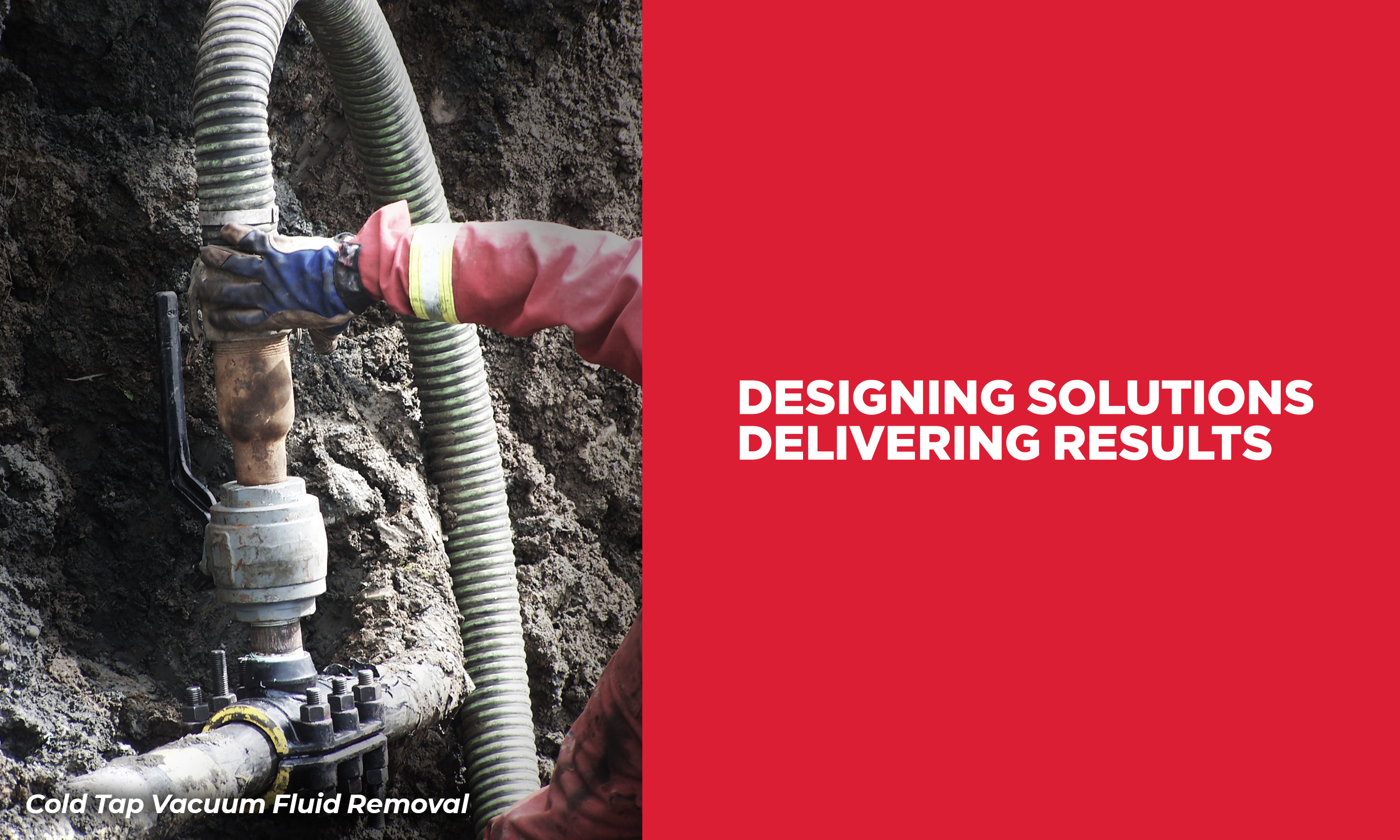
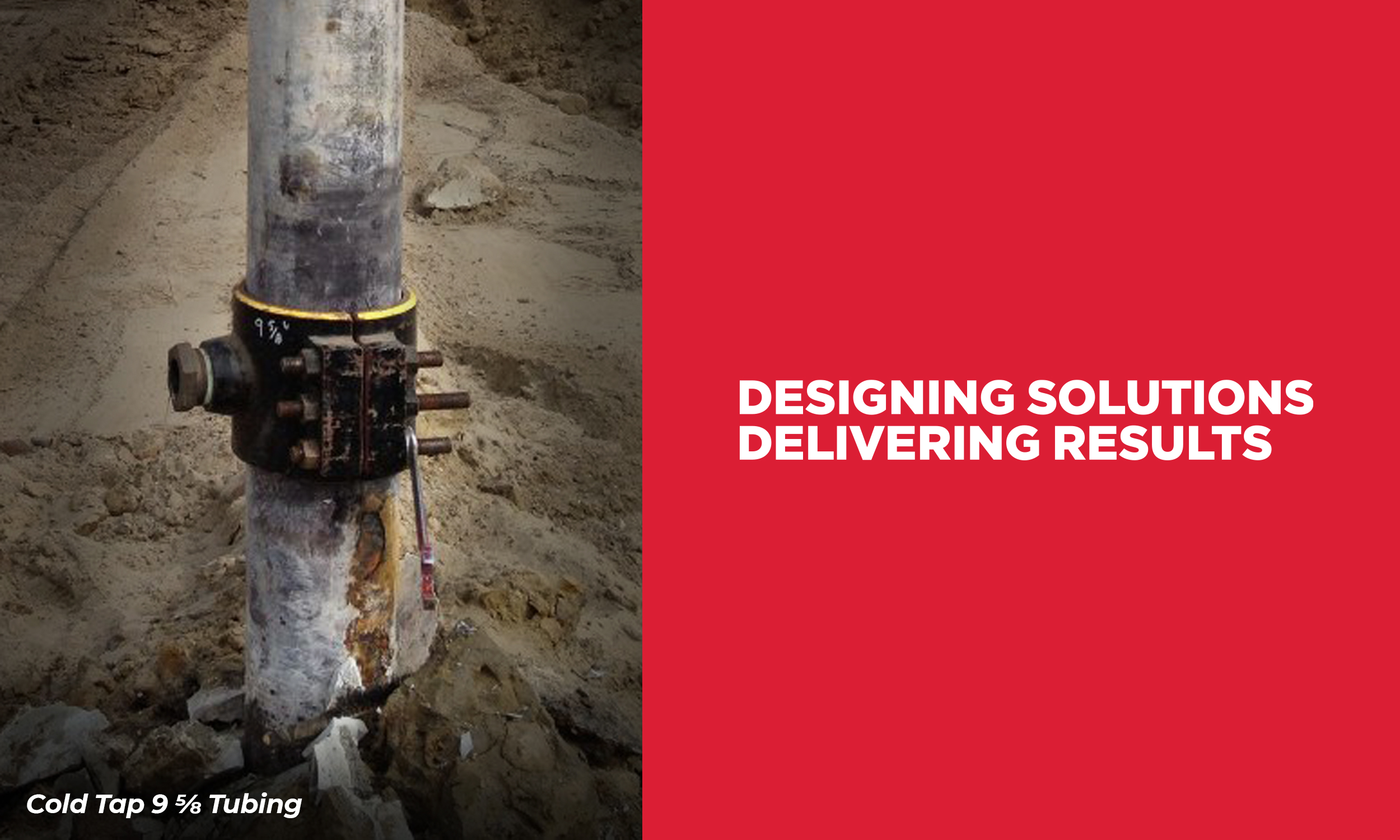
EnReach performs cold taps routinely and has most standard sizes of equipment in stock. Our property equipment increases the effectiveness of this process, and our cold tap technicians are specifically trained in-house and have the necessary safety tickets and experience to perform cold taps on sour lines.
Capability
EnReach’s capabilities include:
- Sizes 2″ – 16″ (Larger or custom diameter available)
- Pressures up to 1480 psi
- 24/7 field service
- 24/7 technical support
- Global capability
Capability
EnReach’s capabilities include:
- Sizes 2″ – 16″ (Larger or custom diameter available)
- Pressures up to 1480 psi
- 24/7 field service
- 24/7 technical support
- Global capability
Cold Tap Fundamentals
Cold tapping is very similar to hot tapping with the key difference being that all welding is avoided, hence the term cold. Typically, cold taps are done using mechanical fittings and used to depressurize, purge, or drain existing assets. They can also be used as injection or measurement points for existing lines. Cold taps can be performed on piping, pipelines, tanks, wells, and even items such as rail cars. They can be performed on many materials including steel, HDPE, PVC, and concrete asbestos. Cold taps can also be used to safely check and release unknown pressure or fluid in piping.
The process is relatively quick. Crews typically need to bolt up the fitting, validate integrity of the fitting through a pressure test, and then drill a small hole. The entire process takes roughly an hour. Afterwards with mounted pressure gauges we can verify if product is present. If there is, then our equipment will have a mounted valve which can be used for additional process such draining or injecting.
Why use a cold tap? Cold tapping provides a safe, reliable, and controlled method to access the product within existing assets. It can be used to determine if the line has pressure or fluid inside. The process is typically utilized when abandoning pipelines, searching for trapped pigs, or performing well re-entries. Cold taps are usually deemed a mandatory step to prove it is safe prior to cold cutting into an asset.
Cold tap benefits:
- No welding
- Quick process allowing quick access to existing assets
- Low cost
- Safe and reliable
- Increase safety of required operations such as well re-entries, abandoning, and draining.
- Left with a control valve to perform additional operations
Cold Tap Fundamentals
Cold tapping is very similar to hot tapping with the key difference being that all welding is avoided, hence the term cold. Typically, cold taps are done using mechanical fittings and used to depressurize, purge, or drain existing assets. They can also be used as injection or measurement points for existing lines. Cold taps can be performed on piping, pipelines, tanks, wells, and even items such as rail cars. They can be performed on many materials including steel, HDPE, PVC, and concrete asbestos. Cold taps can also be used to safely check and release unknown pressure or fluid in piping.
The process is relatively quick. Crews typically need to bolt up the fitting, validate integrity of the fitting through a pressure test, and then drill a small hole. The entire process takes roughly an hour. Afterwards with mounted pressure gauges we can verify if product is present. If there is, then our equipment will have a mounted valve which can be used for additional process such draining or injecting.
Why use a cold tap? Cold tapping provides a safe, reliable, and controlled method to access the product within existing assets. It can be used to determine if the line has pressure or fluid inside. The process is typically utilized when abandoning pipelines, searching for trapped pigs, or performing well re-entries. Cold taps are usually deemed a mandatory step to prove it is safe prior to cold cutting into an asset.
Cold tap benefits:
- No welding
- Quick process allowing quick access to existing assets
- Low cost
- Safe and reliable
- Increase safety of required operations such as well re-entries, abandoning, and draining.
- Left with a control valve to perform additional operations
FAQ
Q: What is the difference between a cold tap and a hot tap?
A: A cold tap is a method of making a connection to a pipeline under pressure without any hot welding. This is done utilizing a mechanical fitting, which achieves a full pressure seal.
Q: What is the outlet size of a cold tap?
A: EnReach cold tap fittings have 2” or 3” connections with a full inner diameter opening.
Q: What are the pressure limitations of a cold tap?
A: High pressure fittings are available up to 5000 psi.
Q: What size of cold taps can EnReach do?
A: EnReach has up to 16” mainline cold tap fittings in stock. We carry all standard pipeline sizes, as well as tubing and casing size fittings.
Q: Can a cold tap be used for draining a line?
A: Yes, we often do. A hydro vac truck can tie into the valve on the fitting for draining a pipeline and/or to prove communication to another point on that same pipeline.
FAQ
Q: What is the difference between a cold tap and a hot tap?
A: A cold tap is a method of making a connection to a pipeline under pressure without any hot welding. This is done utilizing a mechanical fitting, which achieves a full pressure seal.
Q: What is the outlet size of a cold tap?
A: EnReach cold tap fittings have 2” or 3” connections with a full inner diameter opening.
Q: What are the pressure limitations of a cold tap?
A: High pressure fittings are available up to 5000 psi.
Q: What size of cold taps can EnReach do?
A: EnReach has up to 16” mainline cold tap fittings in stock. We carry all standard pipeline sizes, as well as tubing and casing size fittings.
Q: Can a cold tap be used for draining a line?
A: Yes, we often do. A hydro vac truck can tie into the valve on the fitting for draining a pipeline and/or to prove communication to another point on that same pipeline.


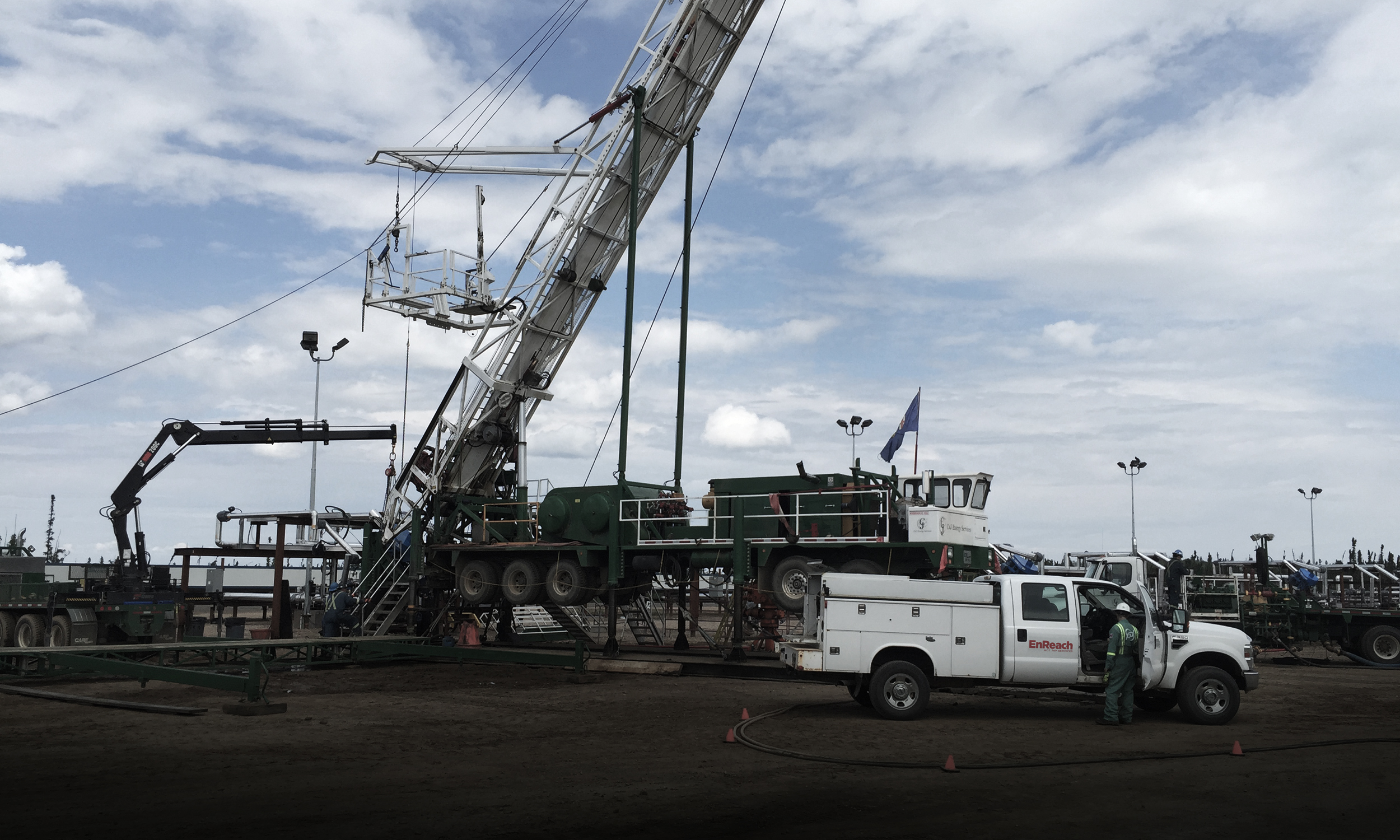


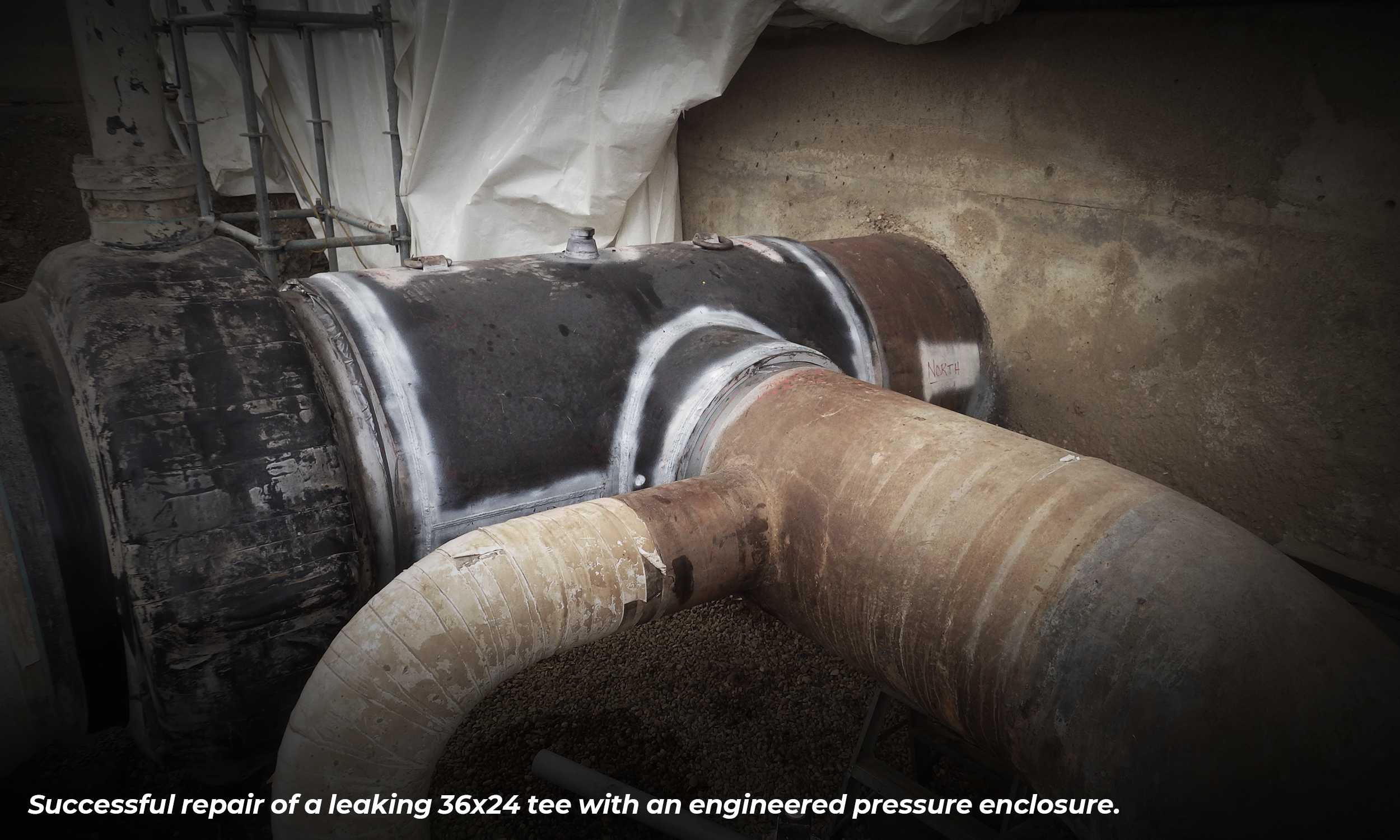
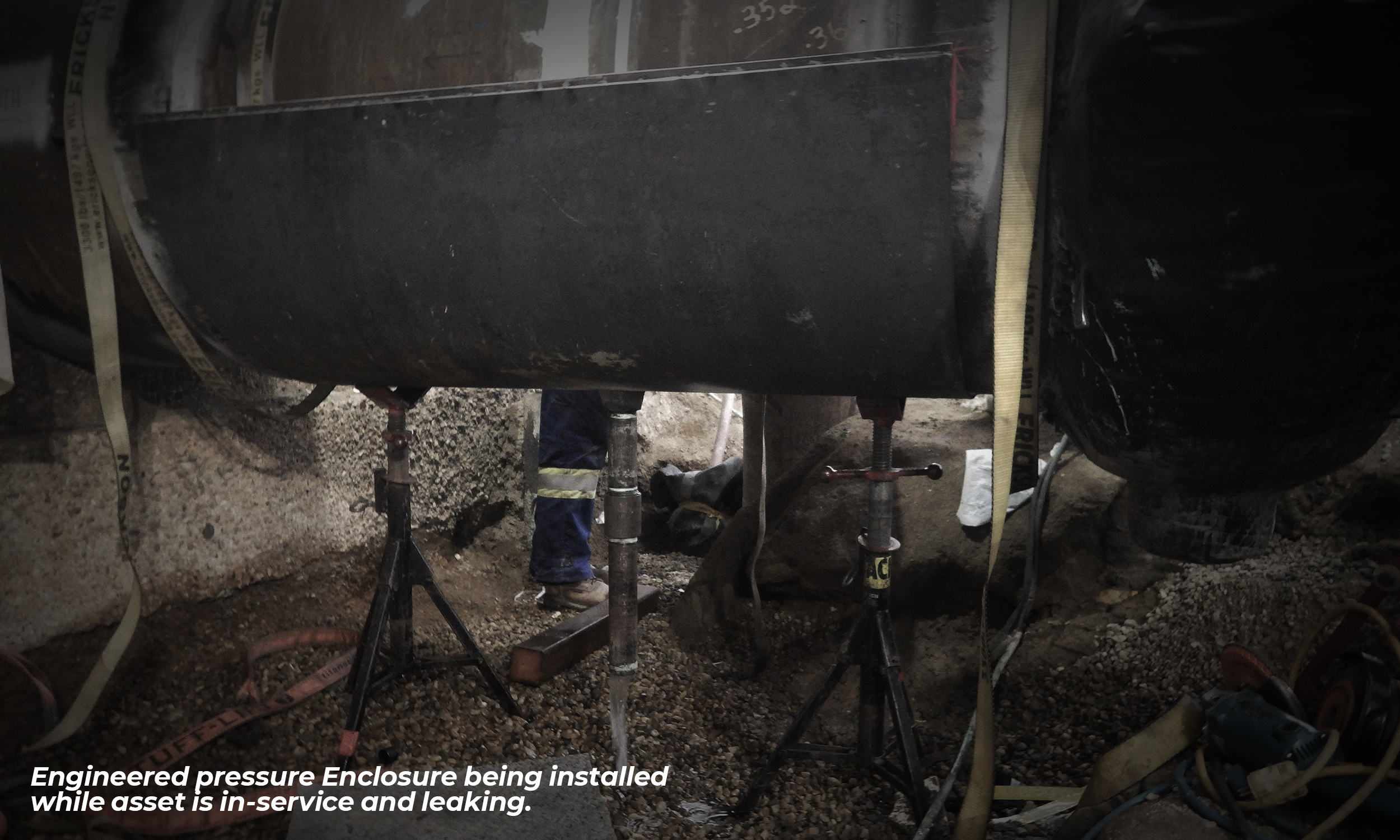
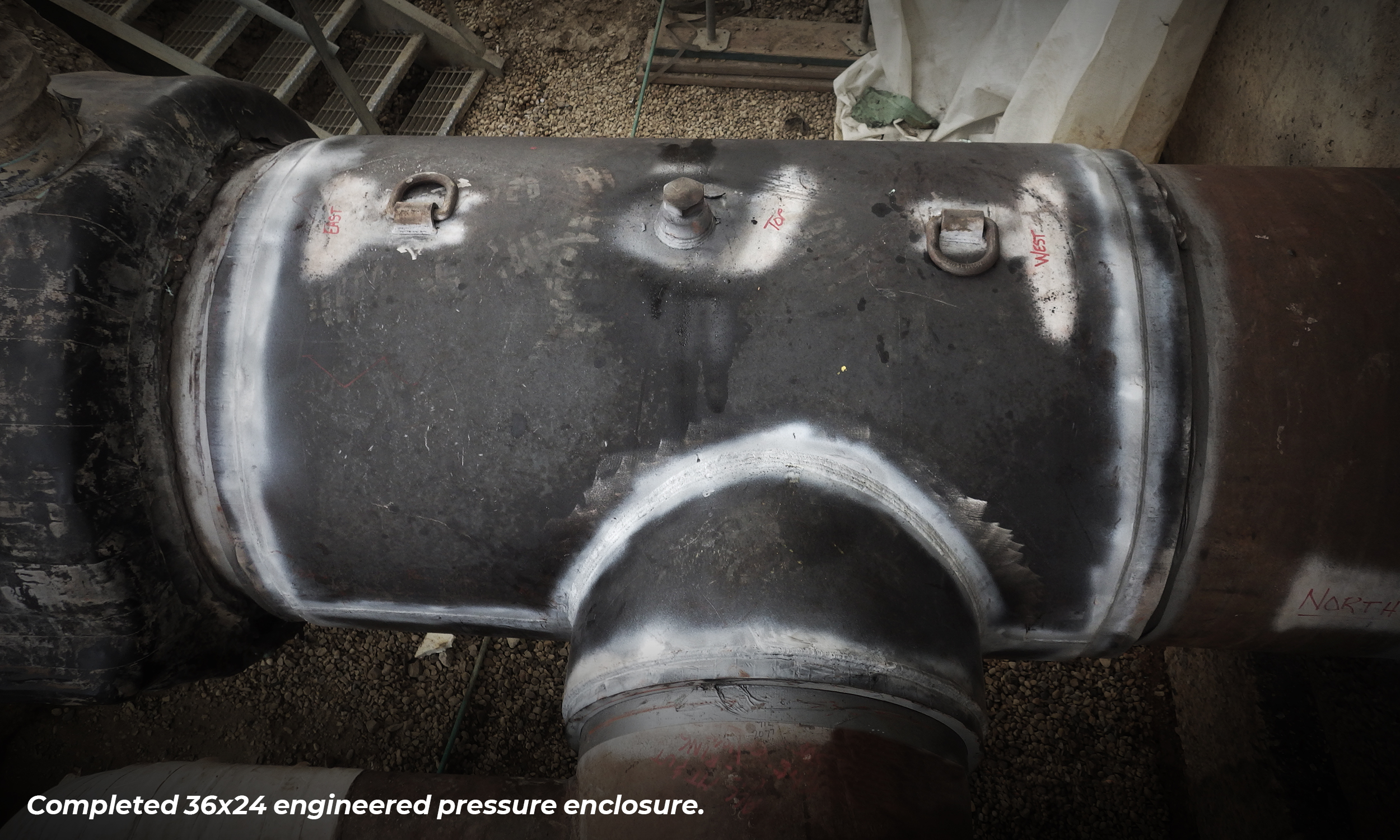
EnReach’s Engineered Pressure Enclosures (EPE) provide clients with a solution that can be customized to ensure the continued operation of pipelines and pressure equipment ensuring the operation and profitability of your assets in any situation.
Capability
EnReach has design, manufacturing, and installation capabilities including:
- Any size and configuration of enclosure to contain items such as: Straight pipes, Bends, Tees, Valves, Flanges, & Drains/Vents
- Custom designed, engineered, and manufactured enclosures
- Oversite of regulatory approval processes
- In-service welders and procedures
- Non-destructive inspection of materials and welds
- Complete installation with QA/QC turnover packages
- Rapid response to urgent repairs
- 24/7 field service and technical support
Capability
EnReach has design, manufacturing, and installation capabilities including:
- Any size and configuration of enclosure to contain items such as: Straight pipes, Bends, Tees, Valves, Flanges, & Drains/Vents
- Custom designed, engineered, and manufactured enclosures
- Oversite of regulatory approval processes
- In-service welders and procedures
- Non-destructive inspection of materials and welds
- Complete installation with QA/QC turnover packages
- Rapid response to urgent repairs
- 24/7 field service and technical support
EPE Fundamentals
EnReach Expertise.
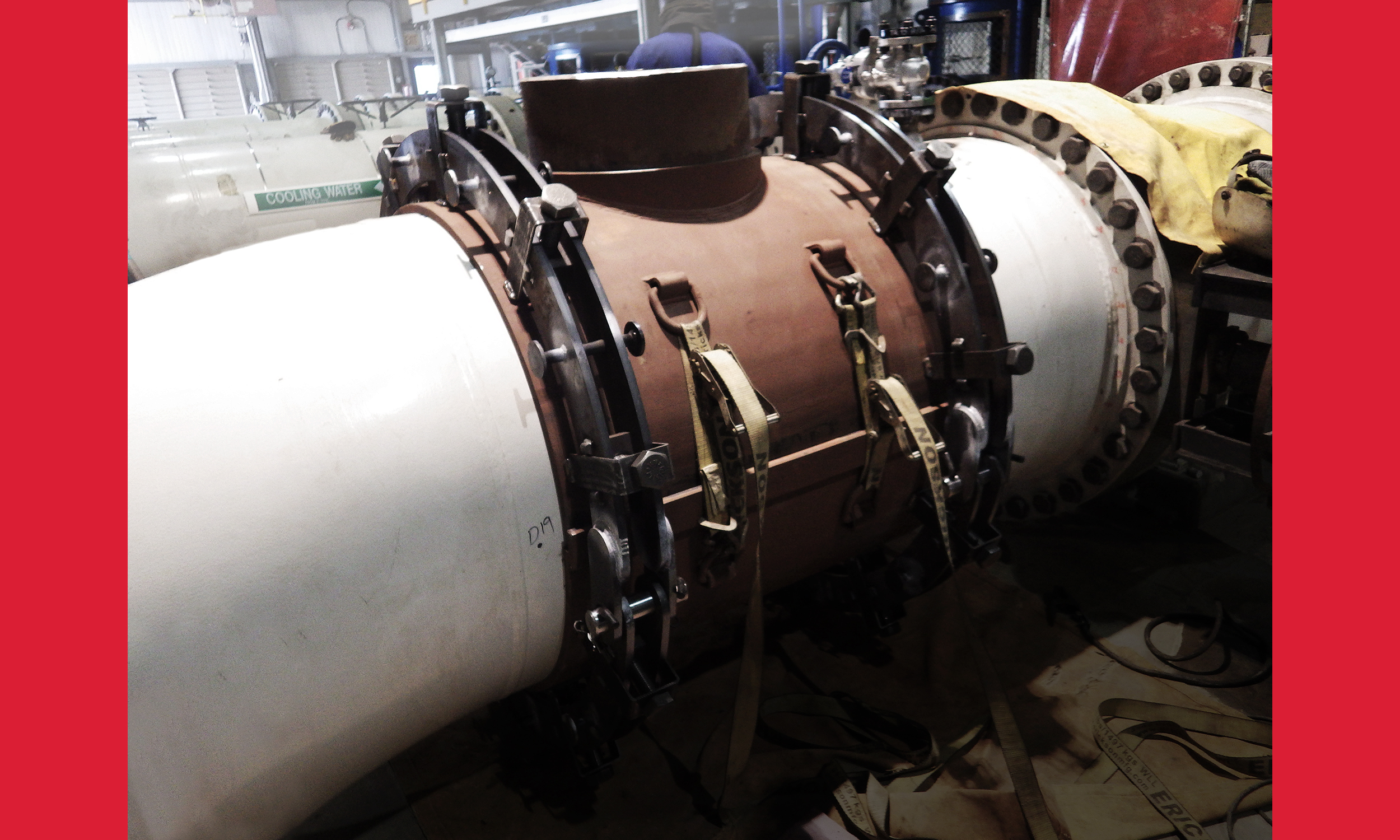
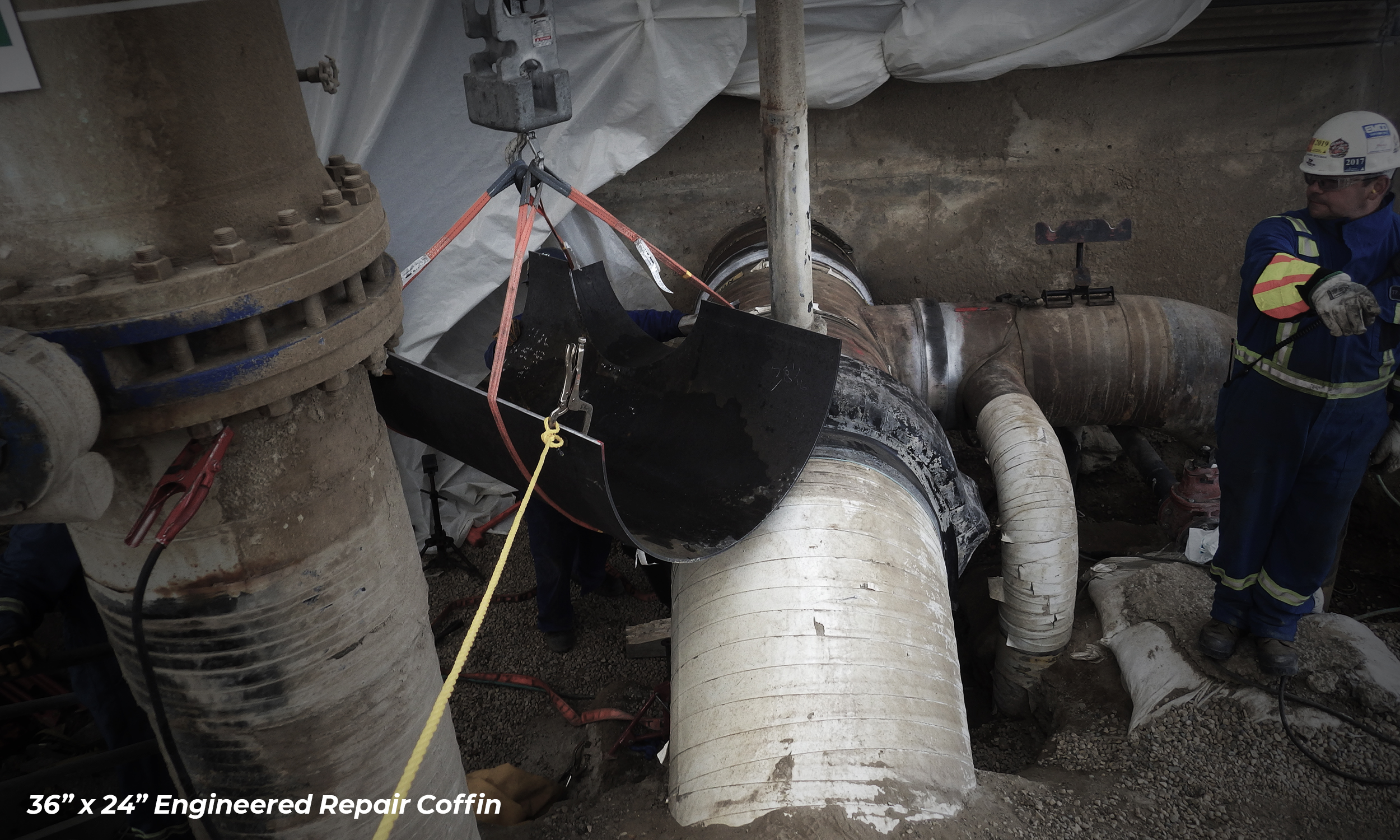
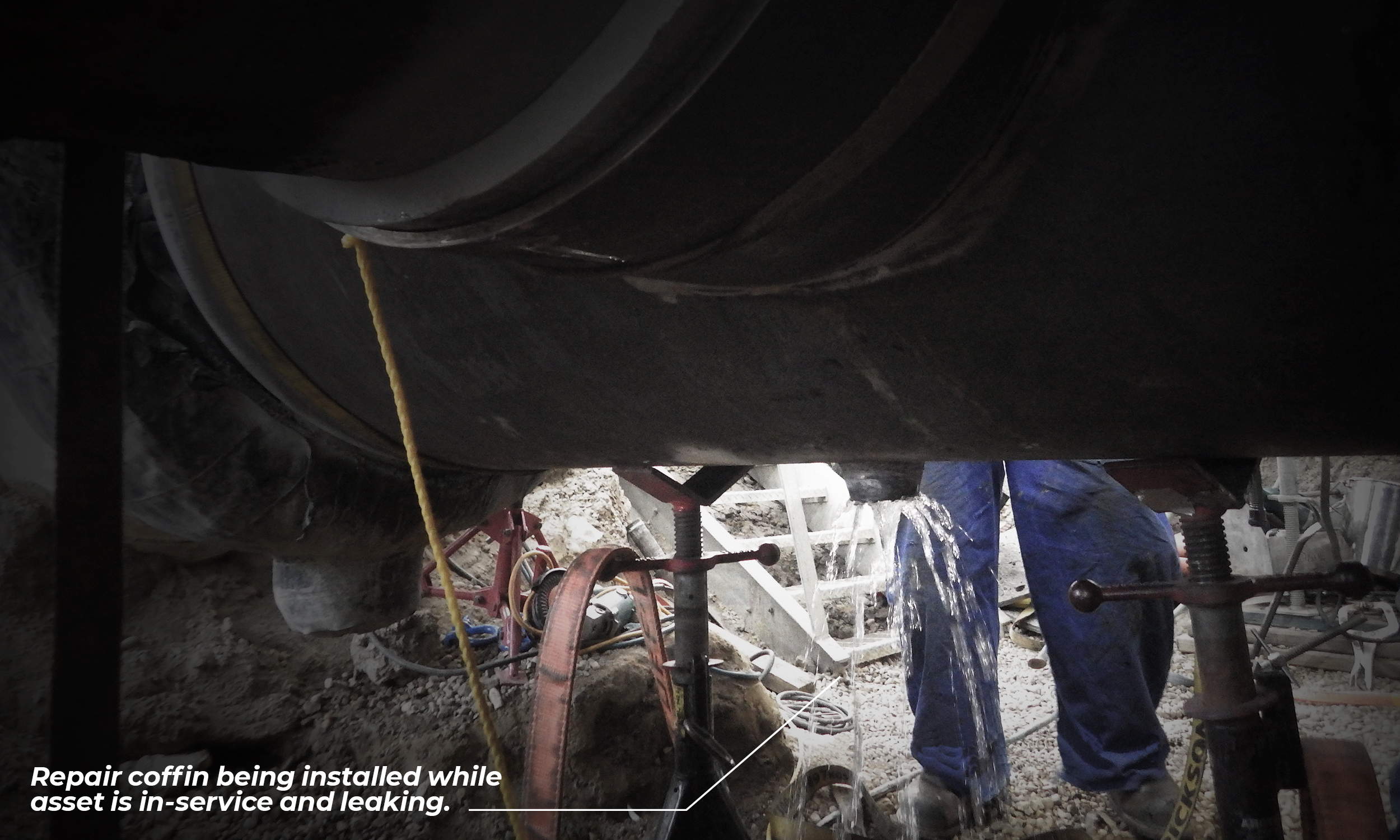
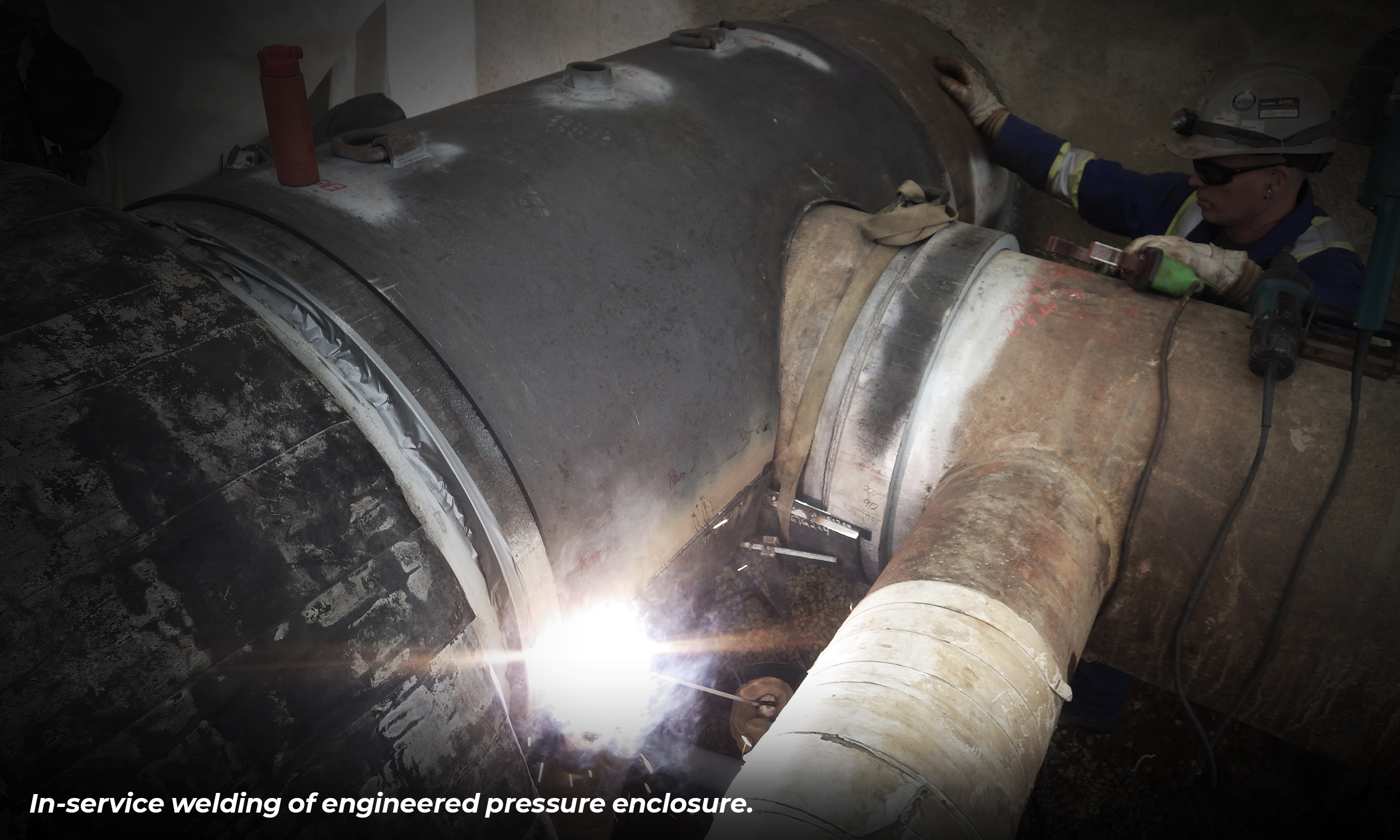
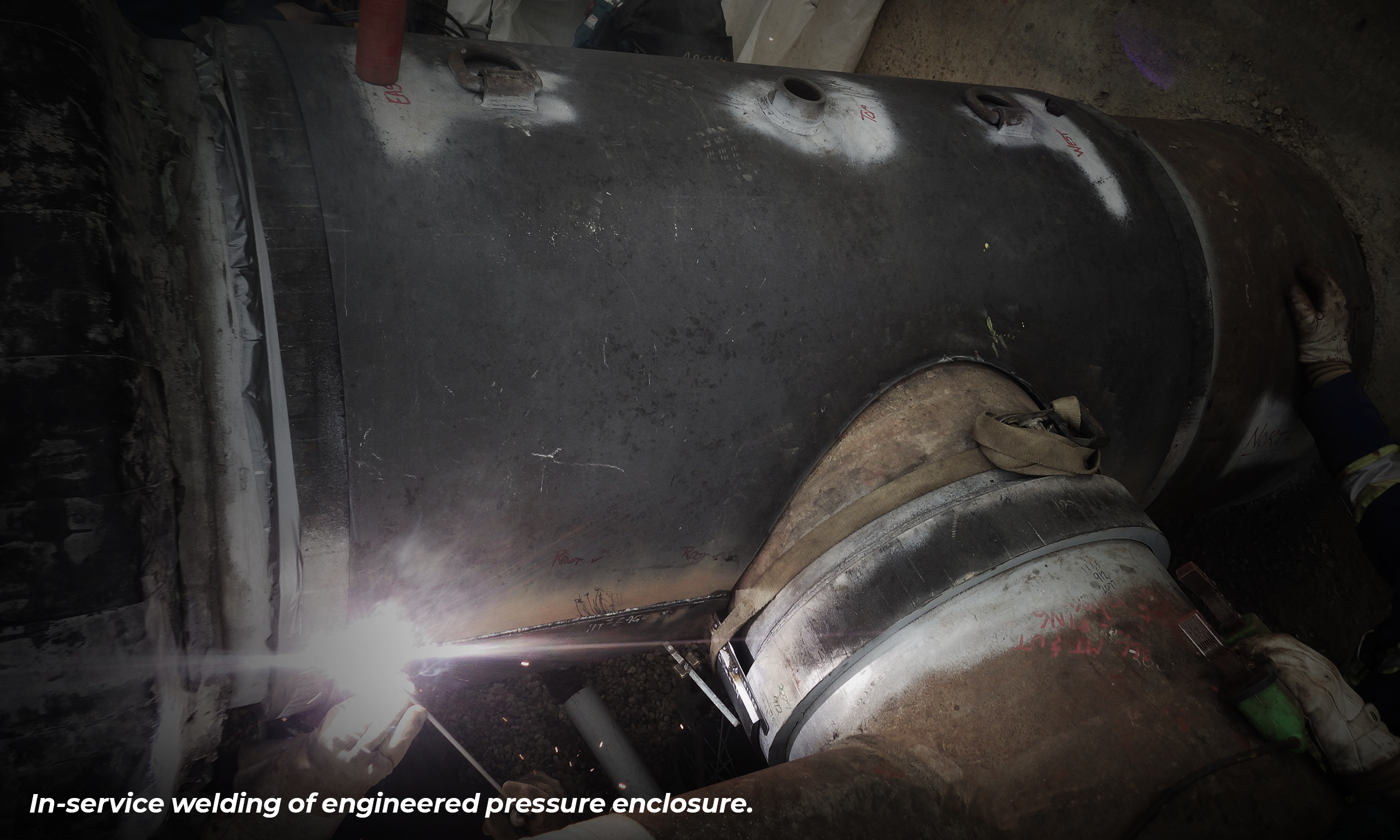
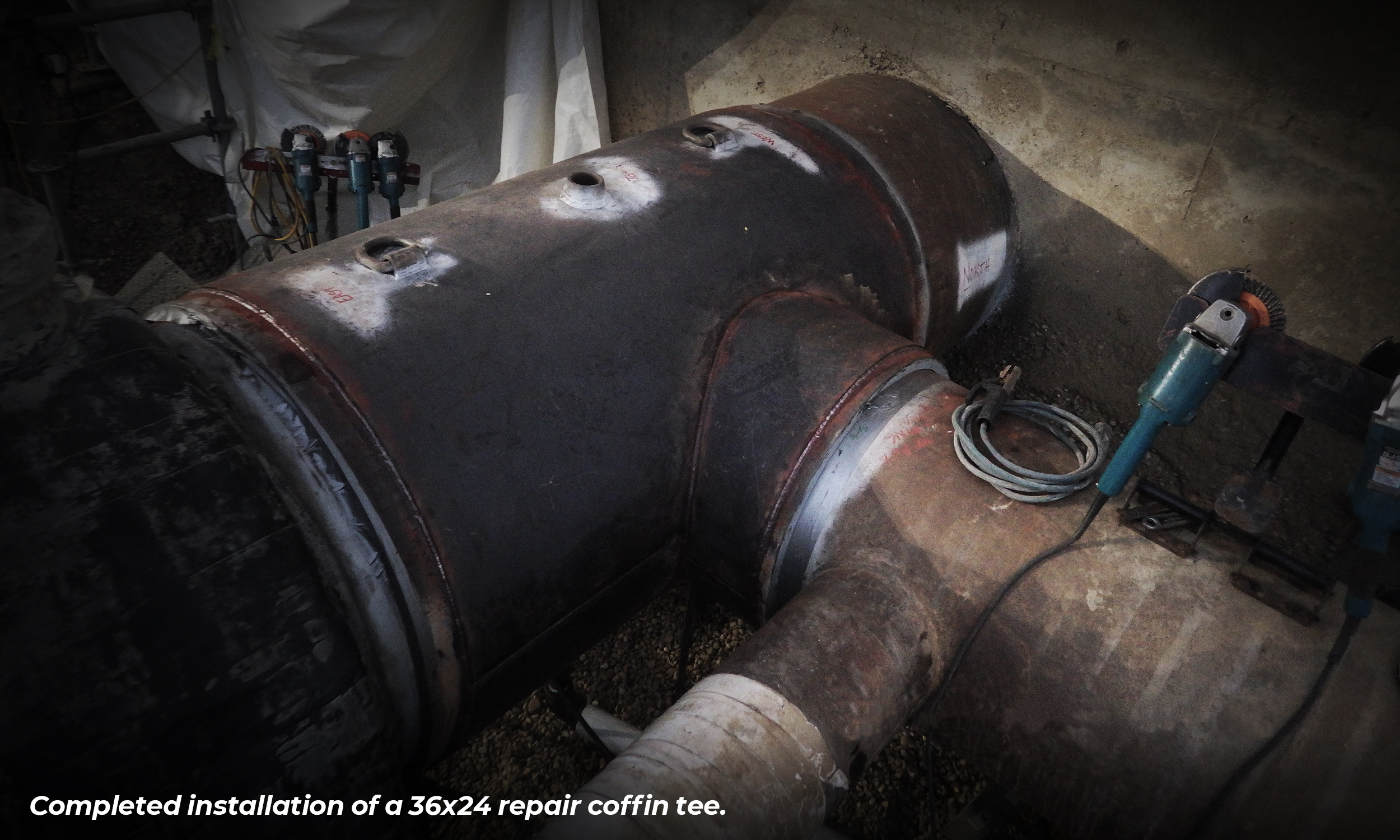
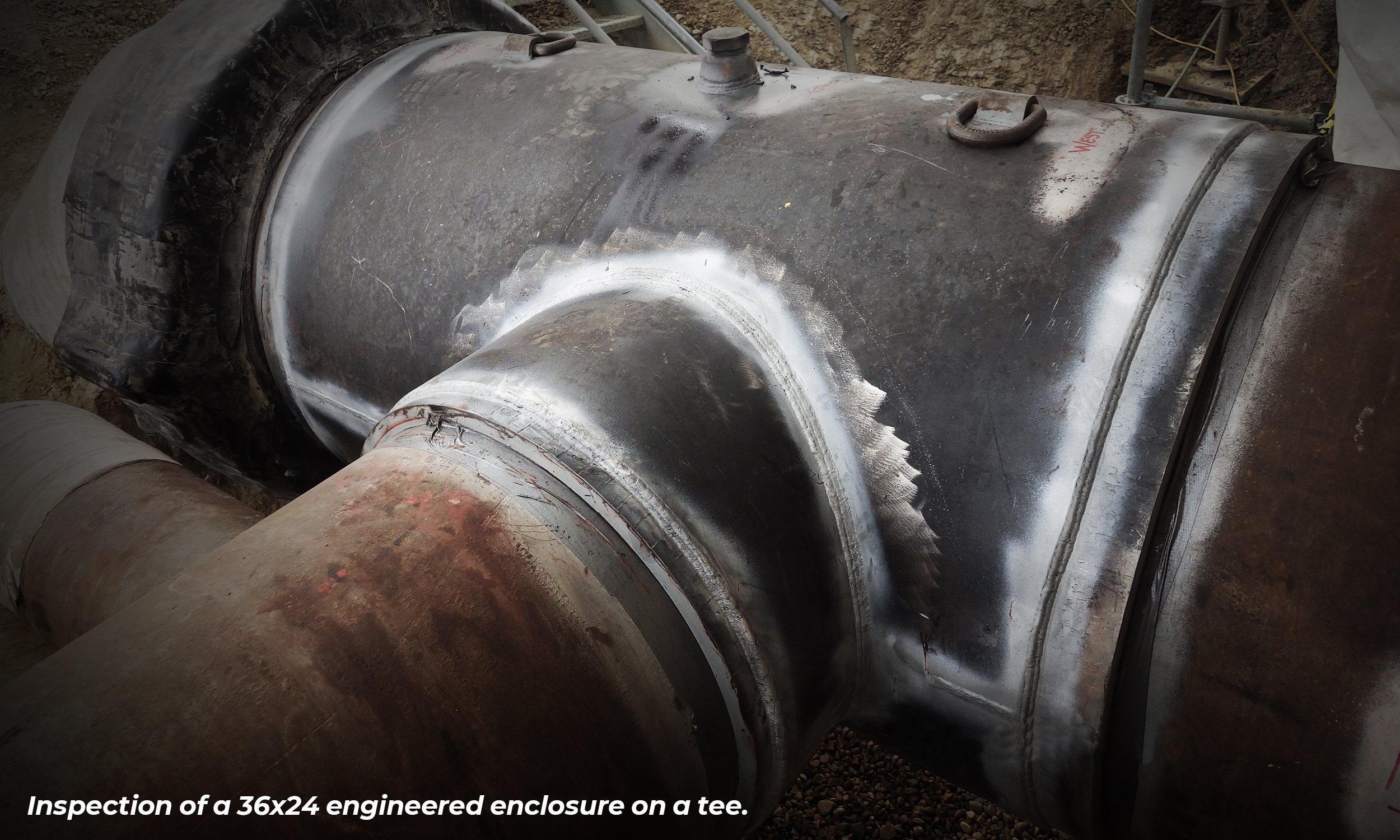
Occasionally leaks or concerns with pressure equipment arise when it may be impractical to shut down immediately for repair. To solve this EnReach offers Engineered Pressure Enclosures (EPE), also commonly referred to as on-line leak seals, leak boxes, or repair coffins. This solution provides a means to seal–off and reinforce a component or assembly that is leaking, or expected to leak in the future, until a proper repair can be made.
Although EPEs are not capable of preventing crack propagation like repair sleeves, they can still be used as a control method when cracks are present. When crack growth is not expected to compromise any of the repair closure welds EPEs can be installed as a solution to maintain operability.
EnReach has the capability to discuss and assess specific repair situations with clients. This allows for the best custom solution to be designed and manufactured. In a typical EPE repair situation EnReach will design around existing assets, identify site specific layout and access constraints, develop safe and effective leak containment strategies, and efficiently execute installation and inspection of the enclosure.
EPE Fundamentals
EnReach Expertise.
Occasionally leaks or concerns with pressure equipment arise when it may be impractical to shut down immediately for repair. To solve this EnReach offers Engineered Pressure Enclosures (EPE), also commonly referred to as on-line leak seals, leak boxes, or repair coffins. This solution provides a means to seal–off and reinforce a component or assembly that is leaking, or expected to leak in the future, until a proper repair can be made.
Although EPEs are not capable of preventing crack propagation like repair sleeves, they can still be used as a control method when cracks are present. When crack growth is not expected to compromise any of the repair closure welds EPEs can be installed as a solution to maintain operability.
EnReach has the capability to discuss and assess specific repair situations with clients. This allows for the best custom solution to be designed and manufactured. In a typical EPE repair situation EnReach will design around existing assets, identify site specific layout and access constraints, develop safe and effective leak containment strategies, and efficiently execute installation and inspection of the enclosure.
FAQ
Q: Can pressure enclosures be installed on piping with existing branch connections close to the leak?
A: Yes, EnReach can provide a custom solution that will encompass the existing piping if needed.
Q: Can a pressure enclosure be installed on an asset that is already leaking?
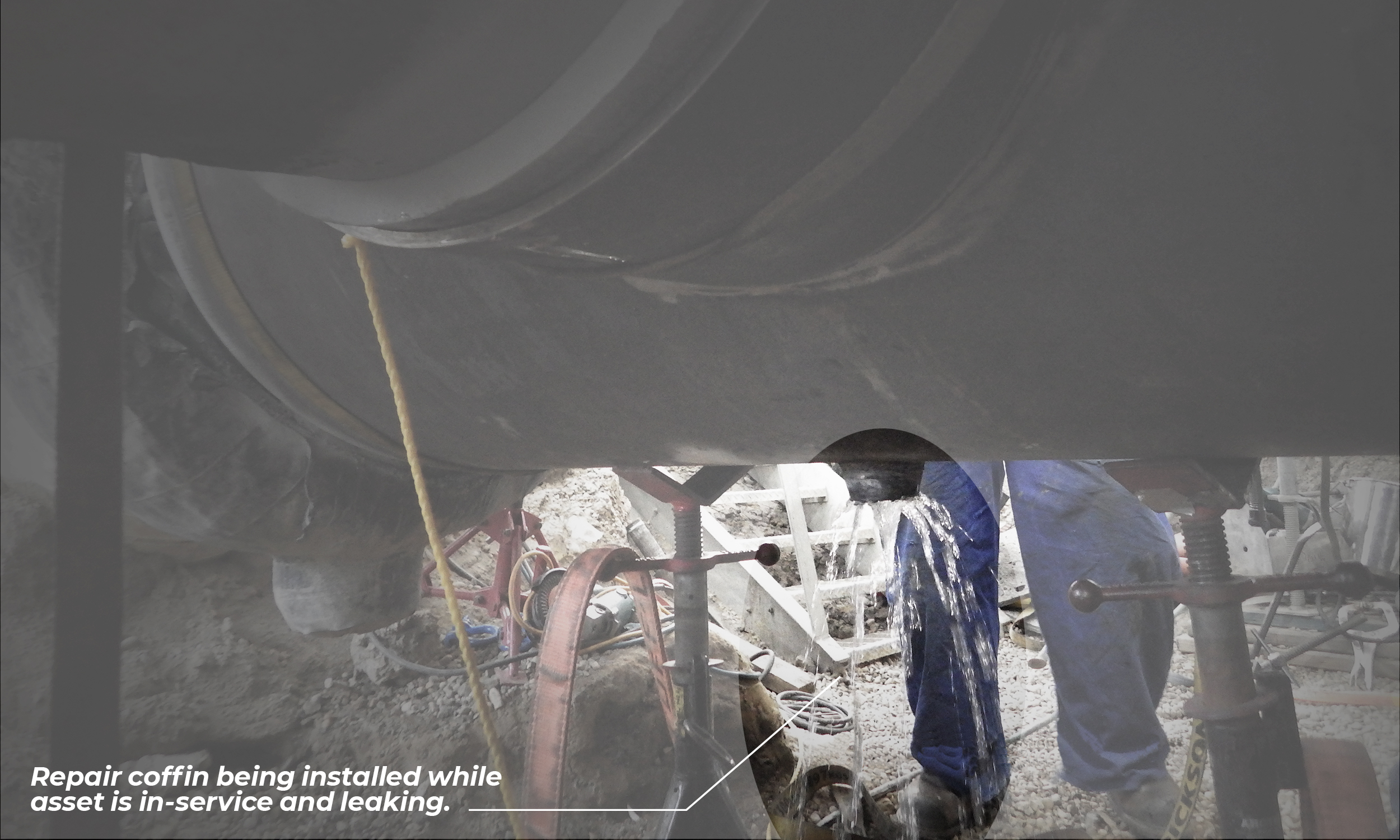
A: Yes, EnReach will develop a strategy to control the leak so that it is safe to install the enclosure.
Q: Can a pressure enclosure be used on components other than straight pipe?
A: Yes, EnReach can design enclosures for various pipe configurations and fittings.
Q: Can pressure enclosures act as permanent solutions?
A: It depends on the applicable regulatory requirements, however as a minimum EnReach designs all of it’s enclosures using pressure vessel design codes suitable for permanent service.
FAQ
Q: Can pressure enclosures be installed on piping with existing branch connections close to the leak?
A: Yes, EnReach can provide a custom solution that will encompass the existing piping if needed.
Q: Can a pressure enclosure be installed on an asset that is already leaking?
A: Yes, EnReach will develop a strategy to control the leak so that it is safe to install the enclosure.
Q: Can a pressure enclosure be used on components other than straight pipe?
A: Yes, EnReach can design enclosures for various pipe configurations and fittings.
Q: Can pressure enclosures act as permanent solutions?
A: It depends on the applicable regulatory requirements, however as a minimum EnReach designs all of it’s enclosures using pressure vessel design codes suitable for permanent service.
“Always deliver more than expected.”
Larry Page

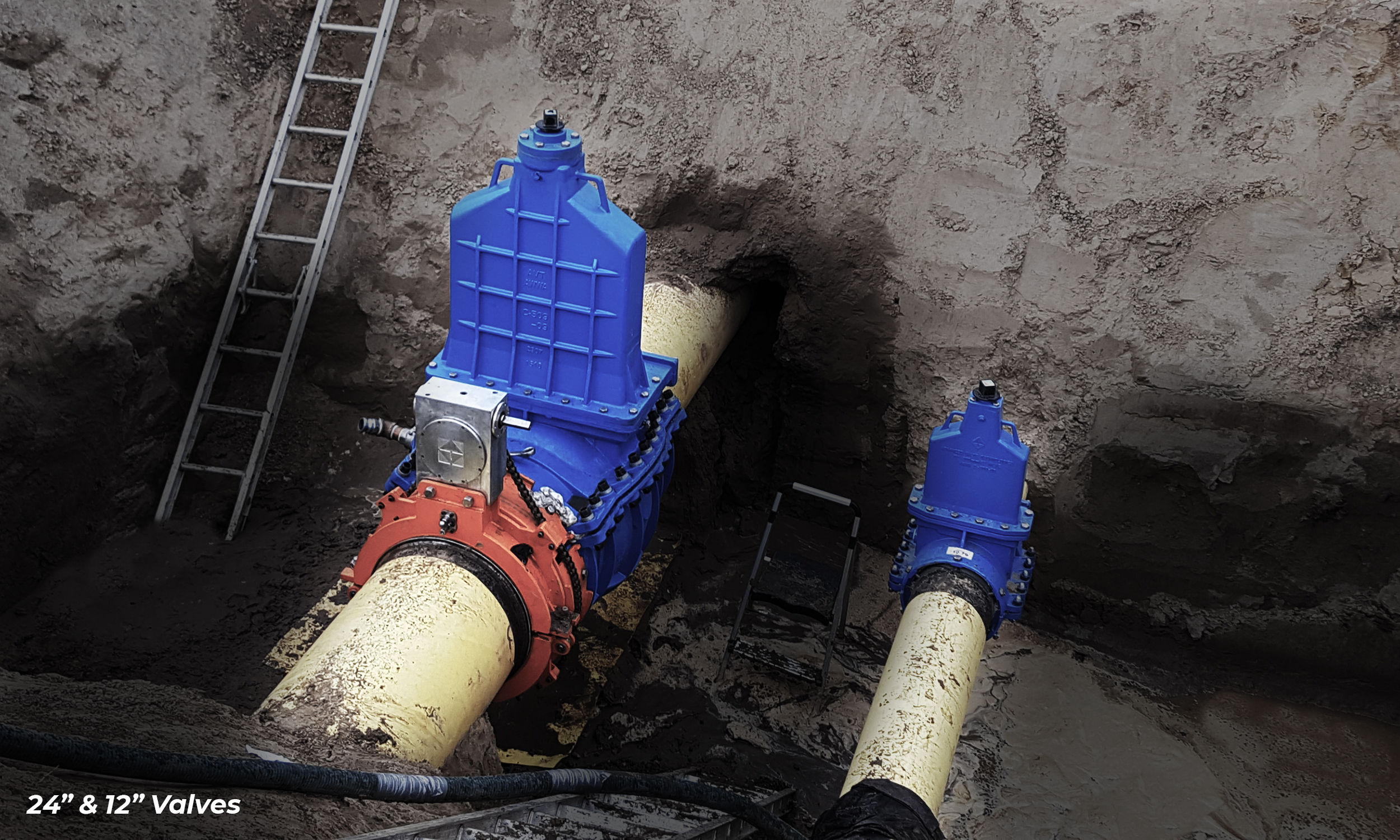
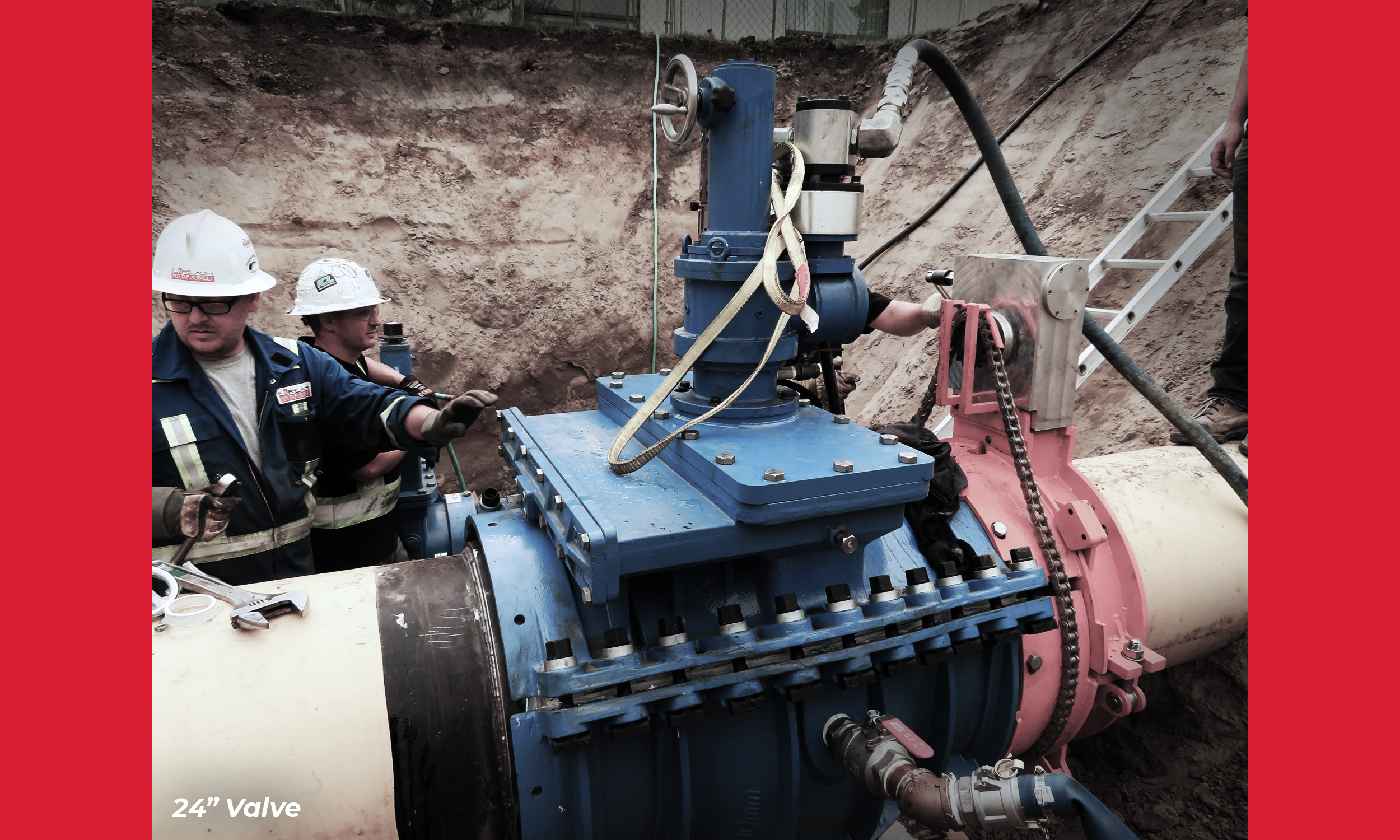
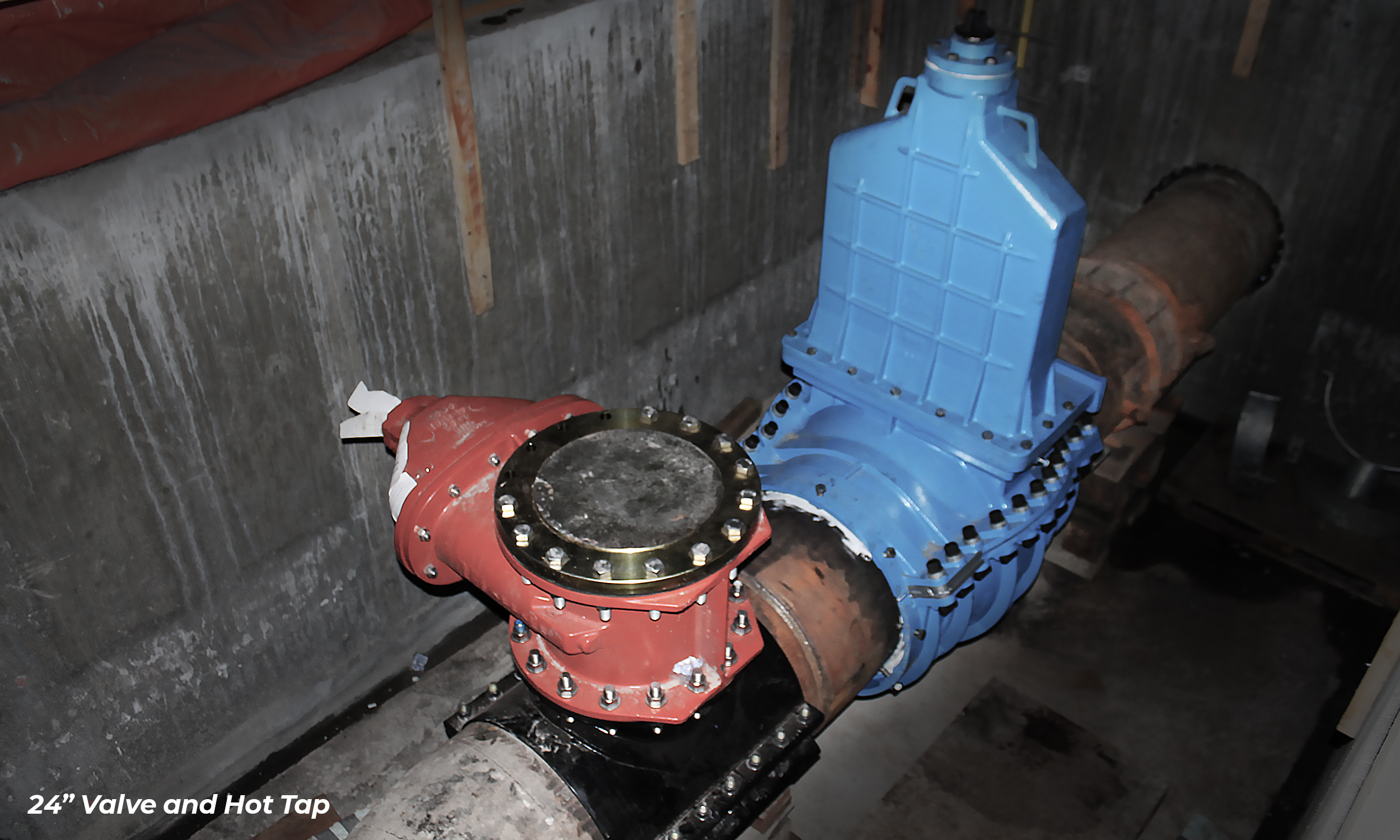
EnReach Hot Tap Services has been involved in some of the largest valve insertion projects in the world, and we were the first to insert a 24” valve in Canada. With our expertise in hot tapping and proficiency in engineering, EnReach is exceptionally equipped to handle these types of projects.
Capability
EnReach’s capabilities include:
- Available for most sizes and types of pipe material
- Service rated at 250 psi
- Sizes available are 4”-24” (100mm-300mm)
- High quality components that meet AWWA C-509 & C-515
- UL rated and certified to NSF/ANSI 61
- 24/7 field service
- 24/7 technical support
- Global capability
Valve insertions for 4” to 12” are typically stocked with larger valve insertions requiring some lead time of 2-4 weeks to produce.
Capability
EnReach’s capabilities include:
- Available for most sizes and types of pipe material
- Service rated at 250 psi
- Sizes available are 4”-24” (100mm-300mm)
- High quality components that meet AWWA C-509 & C-515
- UL rated and certified to NSF/ANSI 61
- 24/7 field service
- 24/7 technical support
- Global capability
Valve insertions for 4” to 12” are typically stocked with larger valve insertions requiring some lead time of 2-4 weeks to produce.
Valve Insertion Fundamentals
The basic idea behind a valve insertion system is that the wedge of a gate valve can be inserted into a live line through a slit shaped opening, which would block flow just as a gate valve does. The slit shaped opening is created by bolting on a pressure containing fitting with a mill head attachment that can sweep around and along the pipe section contained within the fitting. Once the opening is created, the mill head attachment is replaced by a gate valve style wedge assembly and functions as a typical gate valve would. EnReach process of installing a valve insertion system allows clients the freedom of converting their existing line to have a valve that will function much like any typical valve.
Insertion valves can be installed onto an operating line without shutting down. Crews bolt on the fitting, pressure test, and make a cut for the resilient wedge gate. The insertion valve is meant to be a permanently installed system that is controlled and maintained just like a normal resilient wedge gate valve.
Insertion valves allow customer to perform necessary work without interruption to their system and can be used as an emergency line stopping option as well.
Valve insertions can be installed on steel, PVC, and asbestos concrete pipelines.
Why do a valve insertion? Customers typically find that there is no valve available along a specific section of their line or an existing valve in the line does not function anymore. Compared to the current competition, EnReach valve insertions give clients an alternative solution to install a valve on existing lines without interrupting service and it gives the operators the ability to close and open the valve insertion the same a typical valve. Operational issues are being faced by many municipalities due to an inability to operate their distribution system as designed. A solution is now possible with the installation of a valve anywhere and into any type of pipe. This can be done with no interruption to the flow or inconvenience to your customers.
EnReach insertion valve benefits:
- High quality components that meet AWWA C-509 & C-515
- UL rated and certified to NSF/ANSI 61
- Rapid installation, generally 2-3 hours depending on site conditions
- No interruption to service and installed under full pressure
- Pipeline integrity remains intact and requires no additional restraints
- Valve assembly operation is like the existing ones already in use, including handle turns.
- Available for most sizes and types of pipe material
- Service rated at 250 psi
- Sizes available are 4”-24” (100mm-300mm)
- Permanent, designed to be operated continuously, not a temporary valve
- 98% or more of the chips removed
Valve Insertion Fundamentals
The basic idea behind a valve insertion system is that the wedge of a gate valve can be inserted into a live line through a slit shaped opening, which would block flow just as a gate valve does. The slit shaped opening is created by bolting on a pressure containing fitting with a mill head attachment that can sweep around and along the pipe section contained within the fitting. Once the opening is created, the mill head attachment is replaced by a gate valve style wedge assembly and functions as a typical gate valve would. EnReach process of installing a valve insertion system allows clients the freedom of converting their existing line to have a valve that will function much like any typical valve.
Insertion valves can be installed onto an operating line without shutting down. Crews bolt on the fitting, pressure test, and make a cut for the resilient wedge gate. The insertion valve is meant to be a permanently installed system that is controlled and maintained just like a normal resilient wedge gate valve.
Insertion valves allow customer to perform necessary work without interruption to their system and can be used as an emergency line stopping option as well.
Valve insertions can be installed on steel, PVC, and asbestos concrete pipelines.
Why do a valve insertion? Customers typically find that there is no valve available along a specific section of their line or an existing valve in the line does not function anymore. Compared to the current competition, EnReach valve insertions give clients an alternative solution to install a valve on existing lines without interrupting service and it gives the operators the ability to close and open the valve insertion the same a typical valve. Operational issues are being faced by many municipalities due to an inability to operate their distribution system as designed. A solution is now possible with the installation of a valve anywhere and into any type of pipe. This can be done with no interruption to the flow or inconvenience to your customers.
EnReach insertion valve benefits:
- High quality components that meet AWWA C-509 & C-515
- UL rated and certified to NSF/ANSI 61
- Rapid installation, generally 2-3 hours depending on site conditions
- No interruption to service and installed under full pressure
- Pipeline integrity remains intact and requires no additional restraints
- Valve assembly operation is like the existing ones already in use, including handle turns.
- Available for most sizes and types of pipe material
- Service rated at 250 psi
- Sizes available are 4”-24” (100mm-300mm)
- Permanent, designed to be operated continuously, not a temporary valve
- 98% or more of the chips removed
FAQ
Q: Are EnReach valve insertion NSF approved?
A: EnReach Valve insertions are NSF-61 approved; designed to be a permanent operating valve.
Q: What makes EnReach valve insertions unique?
A: EnReach valve insertions look and behave like a normal gate valve, including the same number of turns available in open left or open right operation.
Q: What pressure are EnReach valve insertions rated for?
A: Our valves are rated up to 250 psi maximum allowable working pressure.
Q: What sizes are available with EnReach valves insertions?
A: These valves are available from 3-30”.
Q: What type of pipeline can a valve insertion be utilized on?
A: EnReach valve insertions can be done on PVC, steel, ductile iron, cast iron, and asbestos concrete (AC) pipes. The only limitations are HDPE and some AC pipes.
FAQ
Q: Are EnReach valve insertion NSF approved?
A: EnReach Valve insertions are NSF-61 approved; designed to be a permanent operating valve.
Q: What makes EnReach valve insertions unique?
A: EnReach valve insertions look and behave like a normal gate valve, including the same number of turns available in open left or open right operation.
Q: What pressure are EnReach valve insertions rated for?
A: Our valves are rated up to 250 psi maximum allowable working pressure.
Q: What sizes are available with EnReach valves insertions?
A: These valves are available from 3-30”.
Q: What type of pipeline can a valve insertion be utilized on?
A: EnReach valve insertions can be done on PVC, steel, ductile iron, cast iron, and asbestos concrete (AC) pipes. The only limitations are HDPE and some AC pipes.

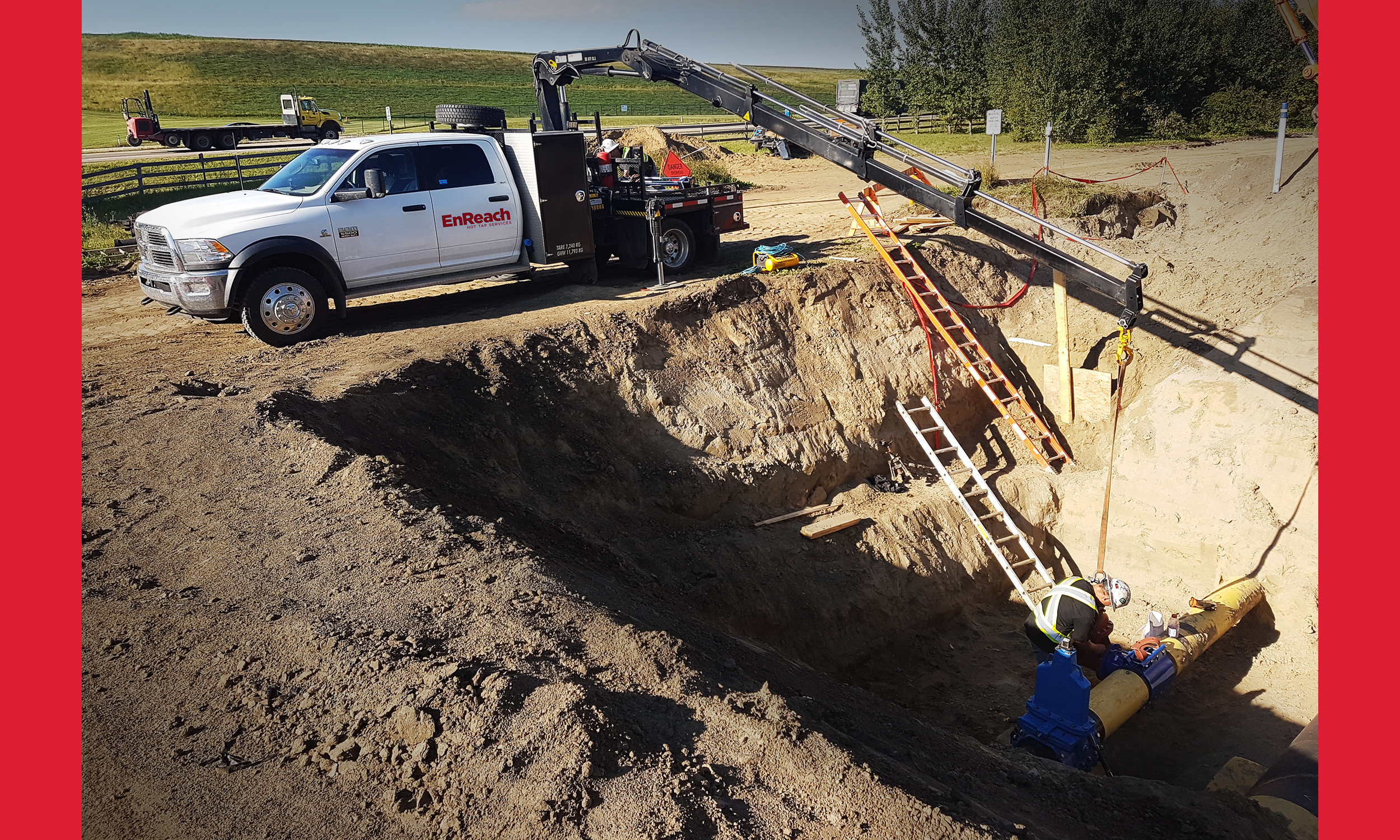

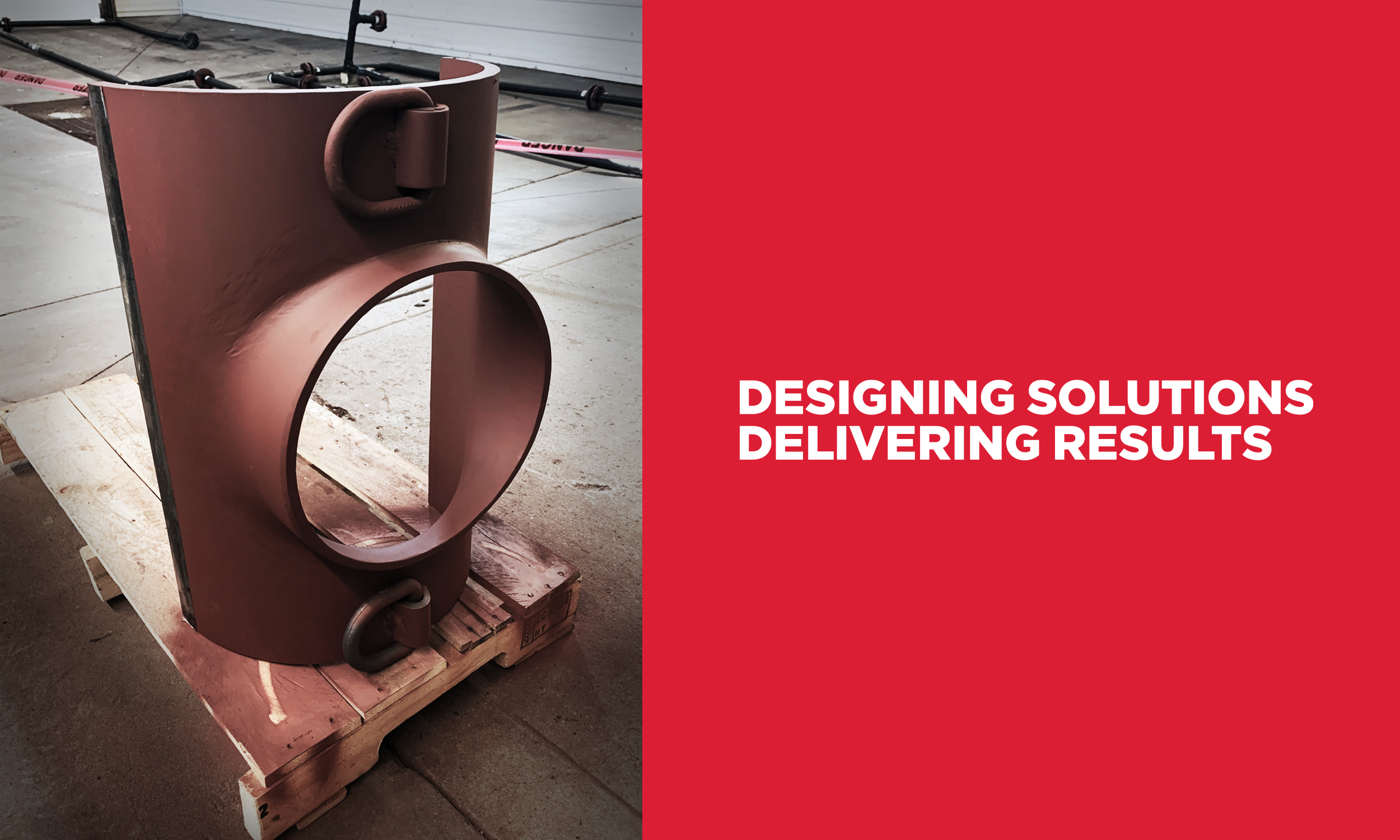
EnReach engineers and manufactures multiple types of pipeline fittings to solve any problem. These engineered solutions include Split Tee, Spherical, Full Encirclement Saddles, and Line Stop Fittings.
Capability
The EnReach Team are experts in Tank Hot Tapping. Our tank hot tap expertise and safety are of the highest standards in the industry.
- 1/2” to 48” split tees, class 150# to 900#
- Designed to meet client specification
- Code-specific material and testing requirements
- Fittings designed and manufactured in Canada allowing for fast turnaround and lower cost
- Compatible with industry standard tapping and line stop equipment
- EnReach employs Quality Assurance and Quality Control Procedures, as well as In-Process Inspection and Documentation. A complete quality turnaround package with design, MTR, welding, NDE and QA / QC information provided with every fitting
- Custom designs available upon request
Transmission Line Stop Fittings
- Split Tees 2” to 48, 600#
- 2” Vent / Purge fittings, 600#
- 4” to 30” spherical, sleeved or non-sleeve, 600#
- Top Out or Side Out Tees, custom configurations, 600#
- Structural non-pressure containing full encirclement saddles, up to 60” run, any branch size
- All types CAT I or CAT II
Gas / Network Distribution Fittings
- Split Tees 2” to 36”, 150# to 300#
- 2” Vent / Purge fittings, 150# to 300#
- 4” to 30” spherical, sleeved or non-sleeve, 150# to 300#
- Plug and flanges for compatability with standard tapping and line stop equipment
- Rapid response to urgent repairs
- 24/7 field service and technical support
Capability
The EnReach Team are experts in Tank Hot Tapping. Our tank hot tap expertise and safety are of the highest standards in the industry.
- 1/2” to 48” split tees, class 150# to 900#
- Designed to meet client specification
- Code-specific material and testing requirements
- Fittings designed and manufactured in Canada allowing for fast turnaround and lower cost
- Compatible with industry standard tapping and line stop equipment
- EnReach employs Quality Assurance and Quality Control Procedures, as well as In-Process Inspection and Documentation. A complete quality turnaround package with design, MTR, welding, NDE and QA / QC information provided with every fitting
- Custom designs available upon request
Transmission Line Stop Fittings
- Split Tees 2” to 48, 600#
- 2” Vent / Purge fittings, 600#
- 4” to 30” spherical, sleeved or non-sleeve, 600#
- Top Out or Side Out Tees, custom configurations, 600#
- Structural non-pressure containing full encirclement saddles, up to 60” run, any branch size
- All types CAT I or CAT II
Gas / Network Distribution Fittings
- Split Tees 2” to 36”, 150# to 300#
- 2” Vent / Purge fittings, 150# to 300#
- 4” to 30” spherical, sleeved or non-sleeve, 150# to 300#
- Plug and flanges for compatability with standard tapping and line stop equipment
- Rapid response to urgent repairs
- 24/7 field service and technical support
Pipeline Fittings Fundamentals
Split Tee & Spherical Fittings:
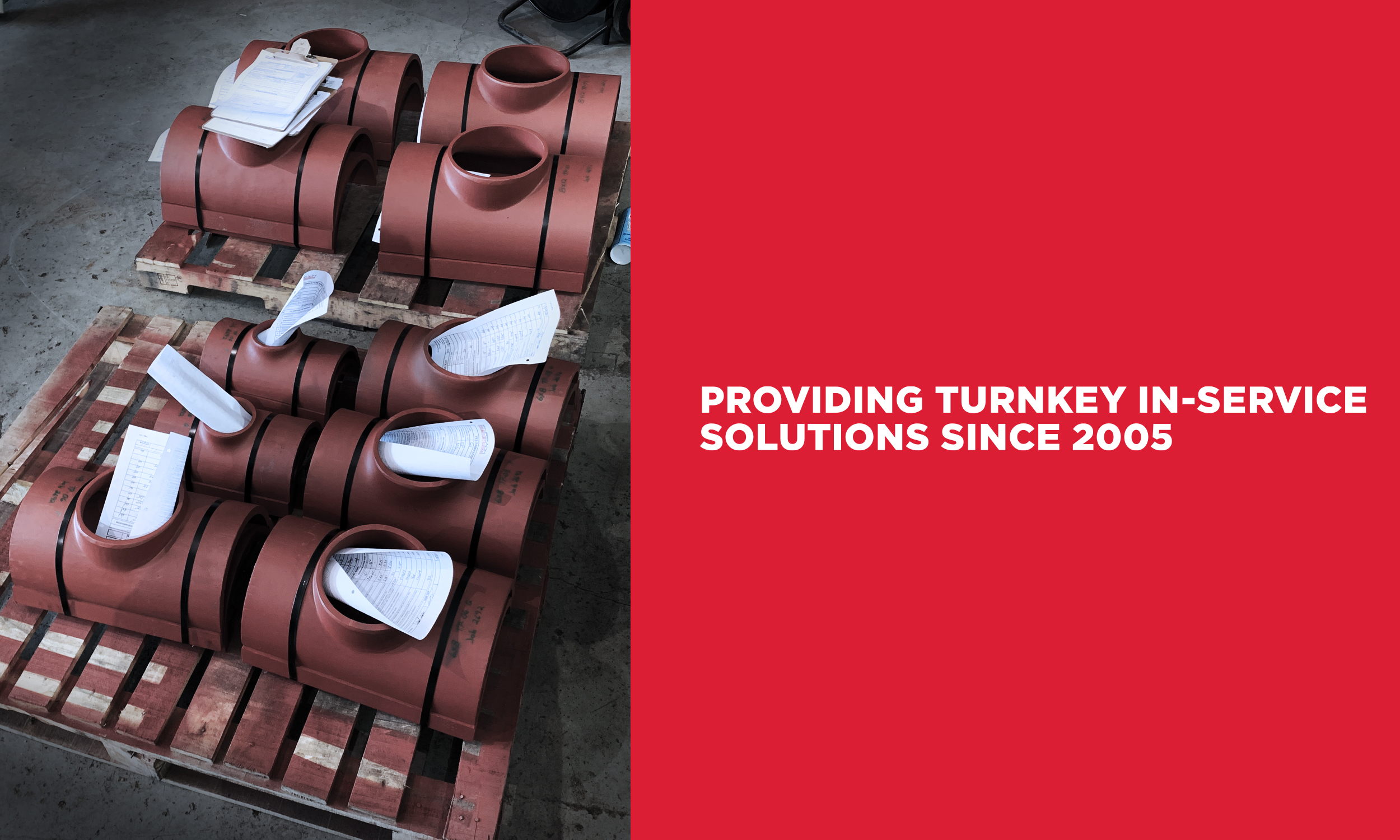
EnReach engineers and manufactures split tees and spherical fittings in size on size, reduced branch, and three-way tee options. This enables hot tapping and isolation into your pipelines under pressure.
Line Stop Fittings are compatible with specific tapping and plugging equipment and are designed to carry the extra loads imposed during hot tapping and line stopping operations. All fittings can be designed to ASME/ANSI B31.8 (Gas Pipelines); B31.4 (Liquid Pipelines); B31.3 (Chemical Plants & Refineries); B31.1 (Power Plants); DOT 192 Federal Regulation for gas pipelines; DOT 195 Federal Regulation for liquid pipelines and most international codes. All fittings are marked in accordance with ASME Section VIII & IX (and API 1104) Welding Procedure specifications.
Full Encirclement Saddle:
EnReach supplies full-encirclement reinforcing pipeline saddles with
full-size or reduced-branch outlets.
Full encirclement reinforcing saddles are designed to completely encircle the run and branch pipe. They come in either two or three piece options, depending on the application, that are installed around the run and branch. Welding the ends is not recommended in order to allow for differential expansion and contraction of the fitting and the run pipe.
Types of FES:
Type 1 – Two pieces split through the branch creating two symmetrical halves. These fittings can be installed in most situations, although the welding is often more difficult because of the transition from the run to the branch.
Type 2 – Two pieces split 90-degrees from the branch creating a top and a bottom. These fittings can only be installed if there is nothing yet attached to the branch pipe since the top has to be slid over the branch.
Type 3 – Similar to a Part 1, the top comprises two pieces that are welded together; a straight run section with a hole and an extruded saddle. There is no structural advantage to this type of arrangement over a Part 1, but it is sometimes required.
Type 4 – Similar to a Part 2, but instead comprising a run cylinder with a separate extruded saddle. There is no structural advantage to this type of arrangement over a Part 2, but it is sometimes required.
Type 5 – Three pieces split through the branch and on both sides 90-degrees from the branch. The result is a hemispherical bottom piece and two symmetrical top pieces. This type of saddle requires an additional weld, but it offers the greatest flexibility. It is particularly useful when reinforcement is required on a pipeline with restricted access to the bottom of the hole, e.g. the pipe is in a ditch.
The standard design uses bars for welding the longitudinal seams of the full encirclement saddles. Welded bars only require filet welds to attach the pieces together although this can be done using full-penetration welds if preferred. Please contact us to find our which FES is best suited for your application.
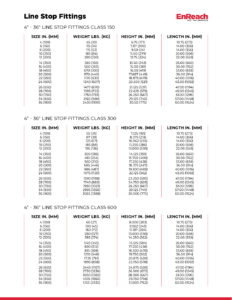
Line Stop Fittings:
EnReach designs and manufactures quality line stop fittings in mutliple class styles. View our line stop fittings options here:
Pipelines Fittings Fundamentals
Split Tee & Spherical Fittings:
EnReach engineers and manufactures split tees and spherical fittings in size on size, reduced branch, and three-way tee options. This enables hot tapping and isolation into your pipelines under pressure.
Line Stop Fittings are compatible with specific tapping and plugging equipment and are designed to carry the extra loads imposed during hot tapping and line stopping operations. All fittings can be designed to ASME/ANSI B31.8 (Gas Pipelines); B31.4 (Liquid Pipelines); B31.3 (Chemical Plants & Refineries); B31.1 (Power Plants); DOT 192 Federal Regulation for gas pipelines; DOT 195 Federal Regulation for liquid pipelines and most international codes. All fittings are marked in accordance with ASME Section VIII & IX (and API 1104) Welding Procedure specifications.
Full Encirclement Saddle:
EnReach supplies full-encirclement reinforcing pipeline saddles with
full-size or reduced-branch outlets.
Full encirclement reinforcing saddles are designed to completely encircle the run and branch pipe. They come in either two or three piece options, depending on the application, that are installed around the run and branch. Welding the ends is not recommended in order to allow for differential expansion and contraction of the fitting and the run pipe.
Types of FES:
Type 1 – Two pieces split through the branch creating two symmetrical halves. These fittings can be installed in most situations, although the welding is often more difficult because of the transition from the run to the branch.
Type 2 – Two pieces split 90-degrees from the branch creating a top and a bottom. These fittings can only be installed if there is nothing yet attached to the branch pipe since the top has to be slid over the branch.
Type 3 – Similar to a Part 1, the top comprises two pieces that are welded together; a straight run section with a hole and an extruded saddle. There is no structural advantage to this type of arrangement over a Part 1, but it is sometimes required.
Type 4 – Similar to a Part 2, but instead comprising a run cylinder with a separate extruded saddle. There is no structural advantage to this type of arrangement over a Part 2, but it is sometimes required.
Type 5 – Three pieces split through the branch and on both sides 90-degrees from the branch. The result is a hemispherical bottom piece and two symmetrical top pieces. This type of saddle requires an additional weld, but it offers the greatest flexibility. It is particularly useful when reinforcement is required on a pipeline with restricted access to the bottom of the hole, e.g. the pipe is in a ditch.
The standard design uses bars for welding the longitudinal seams of the full encirclement saddles. Welded bars only require filet welds to attach the pieces together although this can be done using full-penetration welds if preferred. Please contact us to find our which FES is best suited for your application.
Line Stop Fittings:
EnReach designs and manufactures quality line stop fittings in mutliple class styles. View our line stop fittings options here:
FAQ
Q:
A:
FAQ
Q:
A:

EnReach engineers are world leaders of in-service work. We have safely completed thousands of jobs for numerous clients across many industries. Our team has been involved in research and development that has led to industry wide improvements to the safe execution of in-service work. We have experience dealing with many regulatory bodies, which simplifies the process of getting design approvals for our clients. In addition, we have formed close relationships with service providers vital to our operations, such as specialty machining and fabrication shops. The combination of all these aspects makes EnReach engineering the best option when it comes to meeting the demands of any job.
Capability
EnReach engineering services include:
- Mechanical design
- Welding
- Burn through modelling
- Pressure testing
- Safe test pressure calculations
- High temperature review
- WPS (Weld Procedure Development)
- ABSA Application (All B31.3 Hot Taps require registration)
- Deliverables – EWP (Engineering Work Plan), Procedure, ITP (Inspection Test Plan), Preliminary JHA (Job Hazzard Assessment).
Our engineers are Alberta based and available globally 24/7, as well as being registered across most Canadian provinces.
Capability
EnReach engineering services include:
- Mechanical design
- Welding
- Burn through modelling
- Pressure testing
- Safe test pressure calculations
- High temperature review
- WPS (Weld Procedure Development)
- ABSA Application (All B31.3 Hot Taps require registration)
- Deliverables – EWP (Engineering Work Plan), Procedure, ITP (Inspection Test Plan), Preliminary JHA (Job Hazzard Assessment).
Our engineers are Alberta based and available globally 24/7, as well as being registered across most Canadian provinces.
Engineering Fundamentals
EnReach Engineered Solutions. Engineering for hot tapping and line stopping involves expert application of mechanical design, special considerations and requirements to ensure the long term integrity of installations on in-service assets, and careful planning of job execution. The typical engineering process includes risk assessments, code compliant design, weld procedure selection, and development of inspection and test plans to ensure all work is done in a manner that meets the design intent. Balancing code requirements and in-service realities is an art. EnReach engineering capabilities include:
Thorough and timely EWP preparation
- Gathering technical information
- Reviewing client standards and specifications
- Assessing job parameters
- Weld burn-through modelling
- Mechanical design
- Identifying inspection and testing requirements
- Material selection
- Creating job specific documentation (drawings, procedures, inspection and test plans, etc.)
- Professional engineer approval
- Regulatory management
- Risk assessments
Effective job execution
- Material procurement
- Project management
- Technical support for field crews
Continuous R&D
- Vast in-service expertise
- Weld procedure development
- Equipment and tool design
- Custom engineered solutions
Engineering safety into our solutions. Working on in-service assets can be dangerous if not done properly. The engineering team at EnReach works together with our clients to complete jobs in the safest possible way. By working together, we are also able to share our experience and build important technical relationships with your company and its people. Engineering at EnReach is done with a holistic approach as our engineers take projects from feasibility to final quality documentation. With being involved from R&D to execution, the expertise our engineers gain makes them the right people to trust. EnReach engineers meet or strive to far surpass typical standards and best practices. All they do is engineer hot taps. Focused on hot taps. Our team will help guide you from planning, estimating, to execution. Streamlined process of EWP creation and submission of design applications saves time and effort for our clients.
Engineering Fundamentals
EnReach Engineered Solutions. Engineering for hot tapping and line stopping involves expert application of mechanical design, special considerations and requirements to ensure the long term integrity of installations on in-service assets, and careful planning of job execution. The typical engineering process includes risk assessments, code compliant design, weld procedure selection, and development of inspection and test plans to ensure all work is done in a manner that meets the design intent. Balancing code requirements and in-service realities is an art. EnReach engineering capabilities include:
Thorough and timely EWP preparation
- Gathering technical information
- Reviewing client standards and specifications
- Assessing job parameters
- Weld burn-through modelling
- Mechanical design
- Identifying inspection and testing requirements
- Material selection
- Creating job specific documentation (drawings, procedures, inspection and test plans, etc.)
- Professional engineer approval
- Regulatory management
- Risk assessments
Effective job execution
- Material procurement
- Project management
- Technical support for field crews
Continuous R&D
- Vast in-service expertise
- Weld procedure development
- Equipment and tool design
- Custom engineered solutions
Engineering safety into our solutions. Working on in-service assets can be dangerous if not done properly. The engineering team at EnReach works together with our clients to complete jobs in the safest possible way. By working together, we are also able to share our experience and build important technical relationships with your company and its people. Engineering at EnReach is done with a holistic approach as our engineers take projects from feasibility to final quality documentation. With being involved from R&D to execution, the expertise our engineers gain makes them the right people to trust. EnReach engineers meet or strive to far surpass typical standards and best practices. All they do is engineer hot taps. Focused on hot taps. Our team will help guide you from planning, estimating, to execution. Streamlined process of EWP creation and submission of design applications saves time and effort for our clients.
FAQ
Q: How long does an estimate usually take?
A: EnReach’s goal is to complete estimates the same day if possible.
Q: What is included in an engineering work package?
A: EnReach will do the mechanical design, the weld procedures, and also safety calculations. Clients will receive an EWP including procedures and ITP. These EWPs are used by clients for internal approval and running HAZOPS.
Q: Does EnReach complete regulatory approvals (ex. ABSA, TSBC, TSSA)?
A: Yes, EnReach completes regulatory approvals process on behalf of clients.
Q: Are EnReach engineers permitted to work in provinces other than Alberta?
A: Yes, EnReach has its Engineers registered all across Canada.
FAQ
Q: How long does an estimate usually take?
A: EnReach’s goal is to complete estimates the same day if possible.
Q: What is included in an engineering work package?
A: EnReach will do the mechanical design, the weld procedures, and also safety calculations. Clients will receive an EWP including procedures and ITP. These EWPs are used by clients for internal approval and running HAZOPS.
Q: Does EnReach complete regulatory approvals (ex. ABSA, TSBC, TSSA)?
A: Yes, EnReach completes regulatory approvals process on behalf of clients.
Q: Are EnReach engineers permitted to work in provinces other than Alberta?
A: Yes, EnReach has its Engineers registered all across Canada.

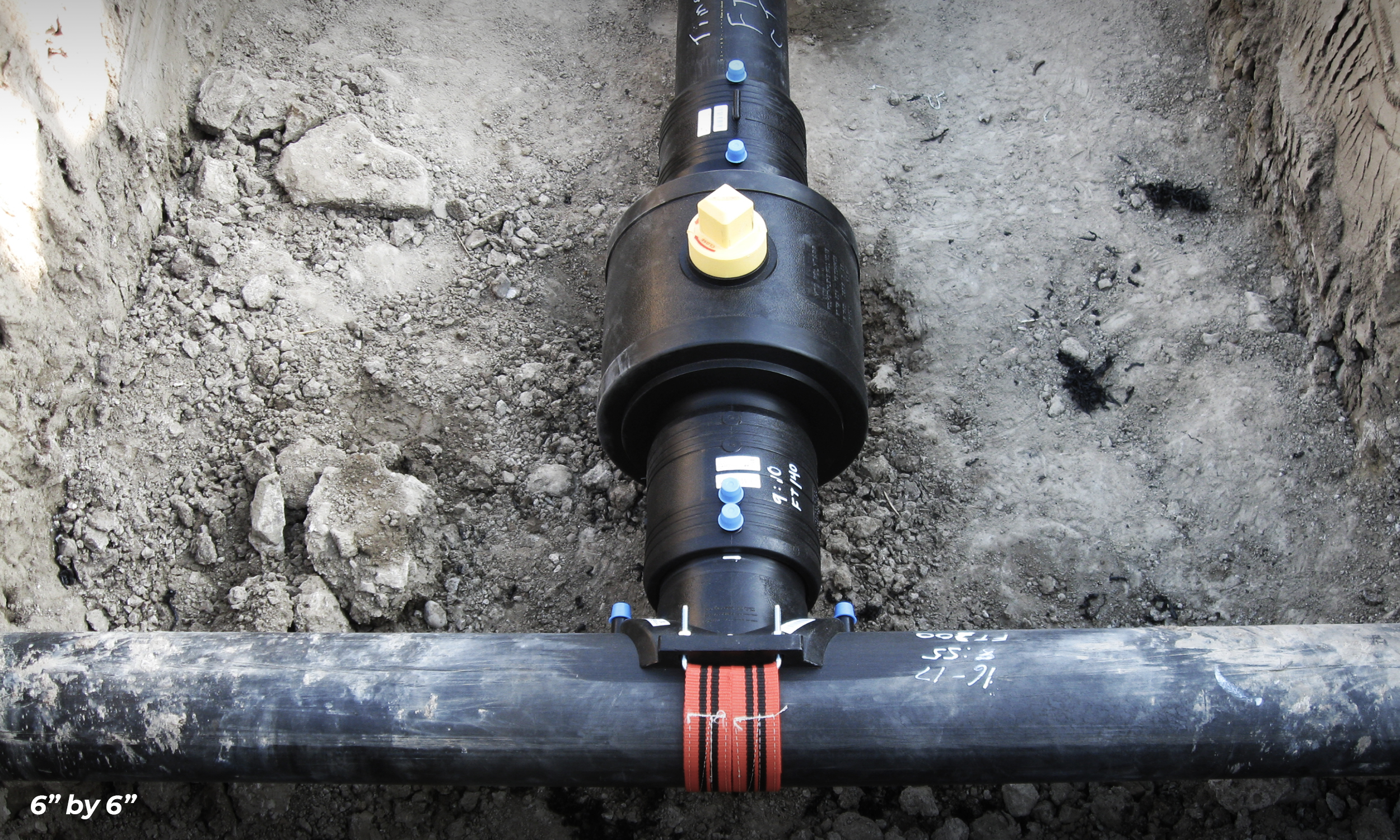
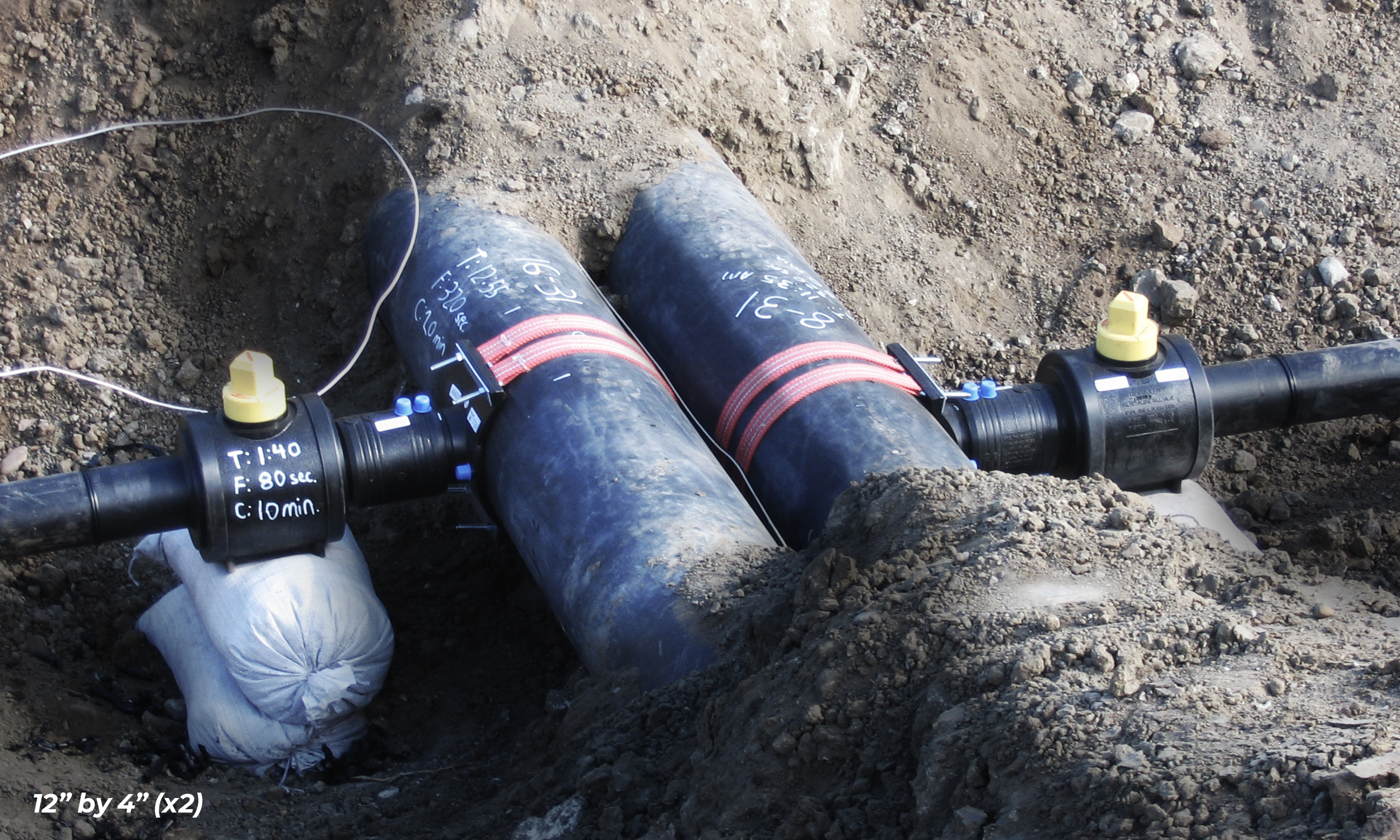
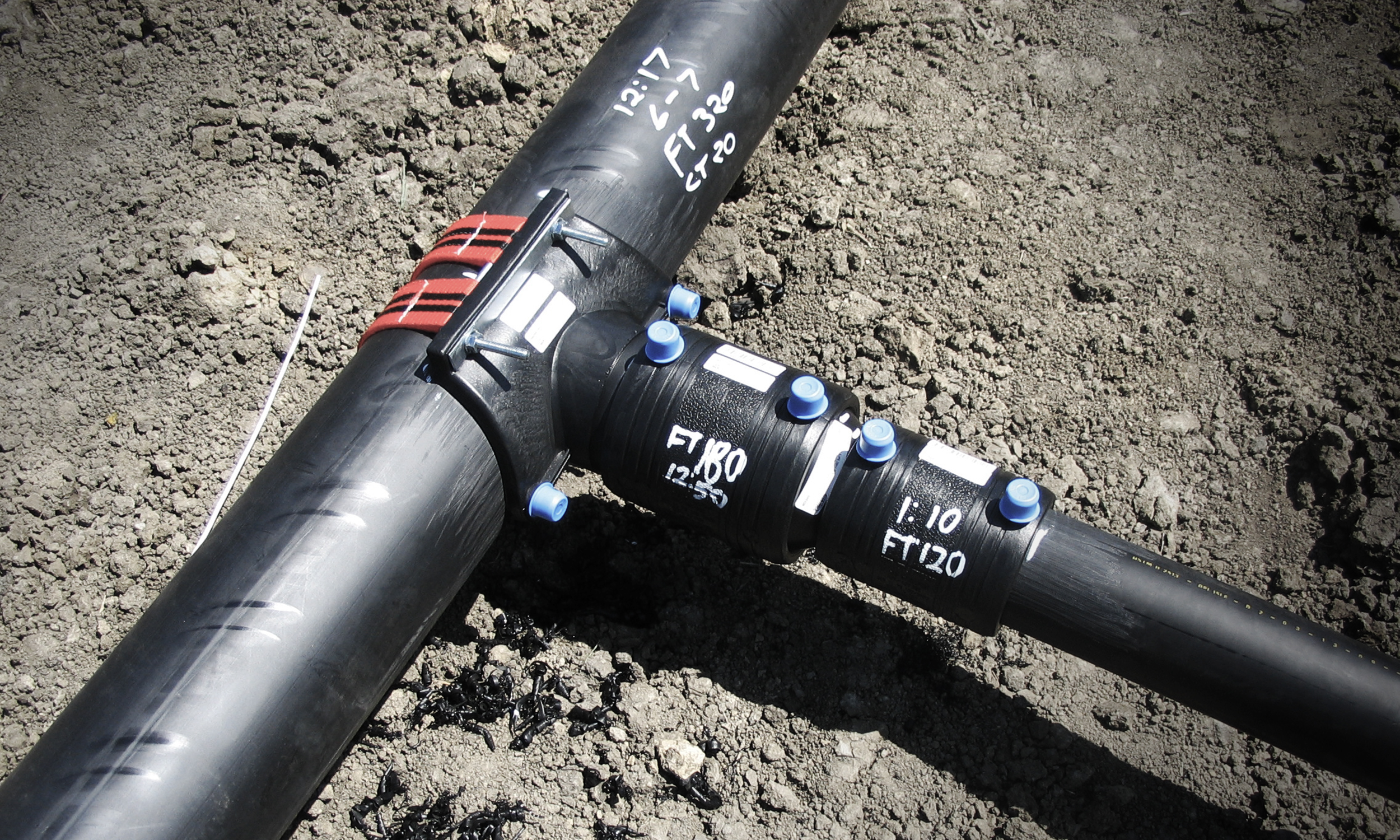
EnReach provides a variety of fusion services including fabrication, hot tapping, and line stopping. We service water mains, gas mains, sewer mains, slurry transfer lines, rural irrigation, fire system supply lines, electrical and communications conduit, and stormwater and drainage pipes. EnReach has completed over 2000 hot taps on HDPE and is known as western Canada’s HDPE hot tap experts. EnReach is one of the only companies in Western Canada with fusion technicians certified to fuse high pressure and or large diameter couplings.
Capability
EnReach builds HDPE headers, piping spools and pre-manufactured pipeline tees. All shop fabricated fittings and spools are pressure tested and come with a full QA/QC turn over package.
- Butt fusion services ranging from 2” to 36” (all SDR sizes, large diameter fusion techs on staff)
- Electrofusion services for installing couplings, Y-Laterals and Tees
- Line squeezes for 12” pipe and smaller
- Fusing weld procedures to ASME and CSA
- Large diameter and/or high pressure electrofusion coupling installations
- Pressure up to 300 Psi (SDR 7.3)
- SDR Range 41 (PVC) through 7.3 (HDPE)
- Size on size branch connections
- Full QA/QC packages
- All EnReach personnel are ticketed Fusion Technicians
- Able to fabricate and test assemblies in shop or out in the field
- Close relationship with HDPE vendors allows for quick material procurement
- HDPE pipe and fittings can be insulated with heat trace conduit as per client request
- 24/7 field service
- 24/7 technical support
- Global capability
Capability
EnReach builds HDPE headers, piping spools and pre-manufactured pipeline tees. All shop fabricated fittings and spools are pressure tested and come with a full QA/QC turn over package.
- Butt fusion services ranging from 2” to 36” (all SDR sizes, large diameter fusion techs on staff)
- Electrofusion services for installing couplings, Y-Laterals and Tees
- Line squeezes for 12” pipe and smaller
- Fusing weld procedures to ASME and CSA
- Large diameter and/or high pressure electrofusion coupling installations
- Pressure up to 300 Psi (SDR 7.3)
- SDR Range 41 (PVC) through 7.3 (HDPE)
- Size on size branch connections
- Full QA/QC packages
- All EnReach personnel are ticketed Fusion Technicians
- Able to fabricate and test assemblies in shop or out in the field
- Close relationship with HDPE vendors allows for quick material procurement
- HDPE pipe and fittings can be insulated with heat trace conduit as per client request
- 24/7 field service
- 24/7 technical support
- Global capability
HDPE Fundamentals
EnReach provides a variety of fusion services including fabrication, hot tapping, and line stopping. We service water mains, gas mains, sewer mains, slurry transfer lines, rural irrigation, fire system supply lines, electrical and communications conduit, and stormwater and drainage pipes. EnReach has completed over 2000 hot taps on HDPE and is know as western Canada’s HDPE hot tap experts. EnReach is one of the only companies in Western Canada with fusion technicians certified to fuse high pressure and or large diameter couplings.
EnReach Expertise. HDPE (high-density polyethylene) pipe is flexible plastic pipe used for water and gas transmission and sometimes replacing concrete or steel lines. Made from thermoplastics HDPE pipe is very flexible, corrosion resistant, impact resistant, and chemical resistant.
HDPE Fundamentals
EnReach provides a variety of fusion services including fabrication, hot tapping, and line stopping. We service water mains, gas mains, sewer mains, slurry transfer lines, rural irrigation, fire system supply lines, electrical and communications conduit, and stormwater and drainage pipes. EnReach has completed over 2000 hot taps on HDPE and is know as western Canada’s HDPE hot tap experts. EnReach is one of the only companies in Western Canada with fusion technicians certified to fuse high pressure and or large diameter couplings.
EnReach Expertise. HDPE (high-density polyethylene) pipe is flexible plastic pipe used for water and gas transmission and sometimes replacing concrete or steel lines. Made from thermoplastics HDPE pipe is very flexible, corrosion resistant, impact resistant, and chemical resistant.
FAQ
Q: Can you hot tap HDPE pipelines?
A: Yes. EnReach has developed a fusion hot tap procedure specifically for in-service HDPE.
Q: Can you do a line stop on a HDPE pipeline?
A: Yes. EnReach can do this through bolted or fused fittings.
Q: Is training required to be a fusion technician?
A: Yes. EnReach technicians are trained and certified by an outside party. In fact, EnReach has some qualifications that are very rare, such as large diameter and high pressure.
Q: What types of fusions can EnReach do?
A: EnReach does both electrofusion and butt fusion, and owns equipment to do both.
Q: Can HDPE hot taps be pressure tested?
A: Yes. A HDPE hot tap is overall identical to any other hot tap and a full hydro test will be performed before starting the drilling operations.
FAQ
Q: Can you hot tap HDPE pipelines?
A: Yes. EnReach has developed a fusion hot tap procedure specifically for in-service HDPE.
Q: Can you do a line stop on a HDPE pipeline?
A: Yes. EnReach can do this through bolted or fused fittings.
Q: Is training required to be a fusion technician?
A: Yes. EnReach technicians are trained and certified by an outside party. In fact, EnReach has some qualifications that are very rare, such as large diameter and high pressure.
Q: What types of fusions can EnReach do?
A: EnReach does both electrofusion and butt fusion, and owns equipment to do both.
Q: Can HDPE hot taps be pressure tested?
A: Yes. A HDPE hot tap is overall identical to any other hot tap and a full hydro test will be performed before starting the drilling operations.


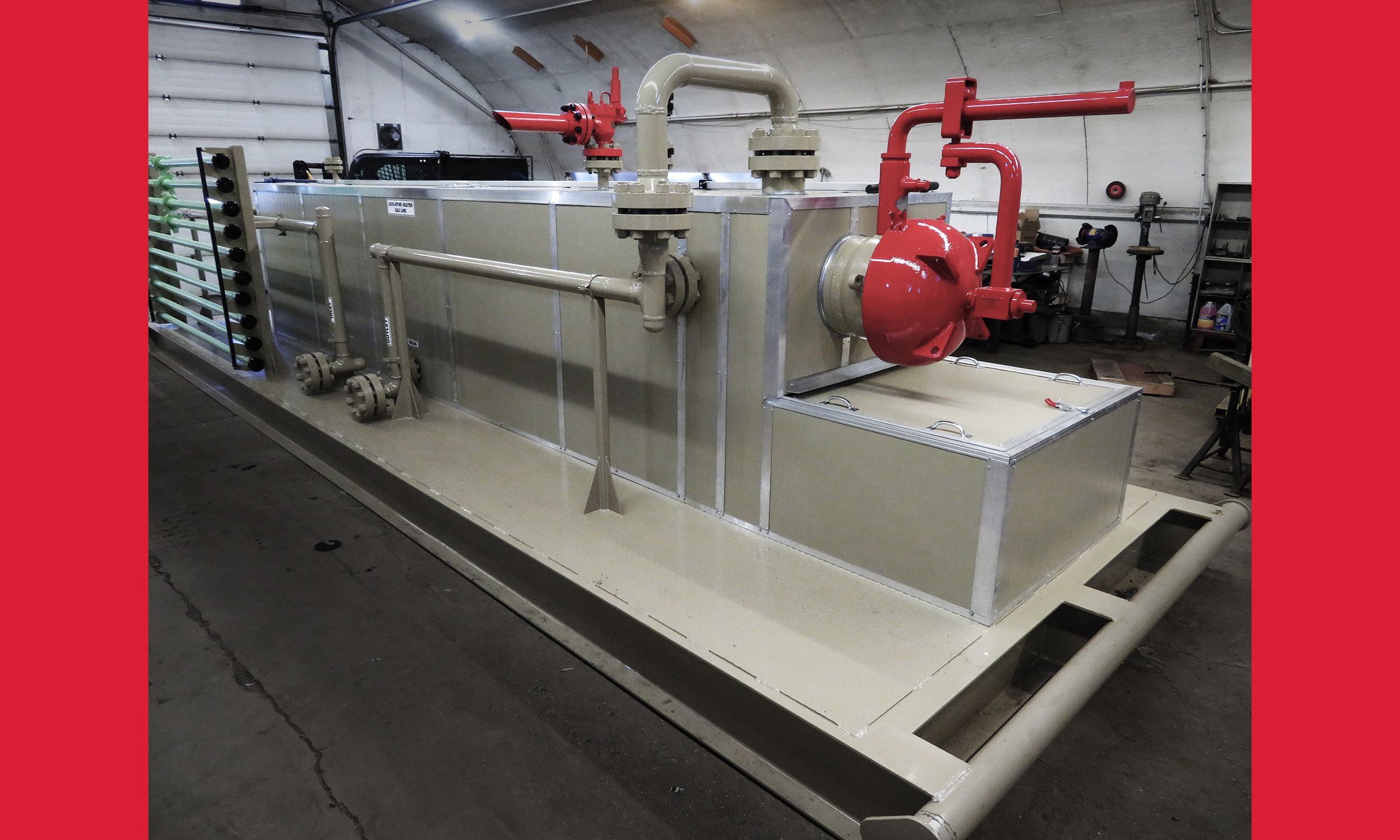
EnReach has full manufacturing capabilities from pipe spools to pressure vessels. EnReach is ASME registered through ABSA holding COR in multiple areas. EnReach offers turnkey manufacturing solutions from concept to final turnover that allows our customers to hand their project to one vendor. EnReach has experience in manufacturing steel, stainless, and HDPE/PVC materials.
Capability
EnReach has successfully manufactured full piping spools, skid units, pressure vessels, sand separators, and specific customer equipment. Our attention to quality, developed through the many years of in-service industry experience, sets us apart from the typical manufacture. With EnReach having expertise from the shop to the field, we have a unique perspective to build what works.
EnReach manufacturing capabilities include:
- Vessels
- Piping
- Custom fabrication
- 24/7 field service
- 24/7 technical support
- Global capability
The EnReach shop is in Red Deer, Alberta and provides exceptional turnaround times.
Capability
EnReach has successfully manufactured full piping spools, skid units, pressure vessels, sand separators, and specific customer equipment. Our attention to quality, developed through the many years of in-service industry experience, sets us apart from the typical manufacture. With EnReach having expertise from the shop to the field, we have a unique perspective to build what works.
EnReach manufacturing capabilities include:
- Vessels
- Piping
- Custom fabrication
- 24/7 field service
- 24/7 technical support
- Global capability
The EnReach shop is in Red Deer, Alberta and provides exceptional turnaround times.
FAQ
Q: What makes your welding different than other companies?
A: EnReach welders are trained extensively on hot tapping, in fact they only hot tap weld.
Q: How Does EnReach prevent hydrogen in their welding process?
A: EnReach crews use new electrodes on every job, as well they are low hydrogen practices adhering to CSA Z662-2019, where EnReach will follow clauses 7.5.2.2 & 7.17.1.3. The key elements of the clauses is that we start with the proper welding rods, and monitor both the heat inputs as well as cooling rates to ensure the welds will perform to client requirements.
FAQ
Q: What makes your welding different than other companies?
A: EnReach welders are trained extensively on hot tapping, in fact they only hot tap weld.
Q: How Does EnReach prevent hydrogen in their welding process?
A: EnReach crews use new electrodes on every job, as well they are low hydrogen practices adhering to CSA Z662-2019, where EnReach will follow clauses 7.5.2.2 & 7.17.1.3. The key elements of the clauses is that we start with the proper welding rods, and monitor both the heat inputs as well as cooling rates to ensure the welds will perform to client requirements.

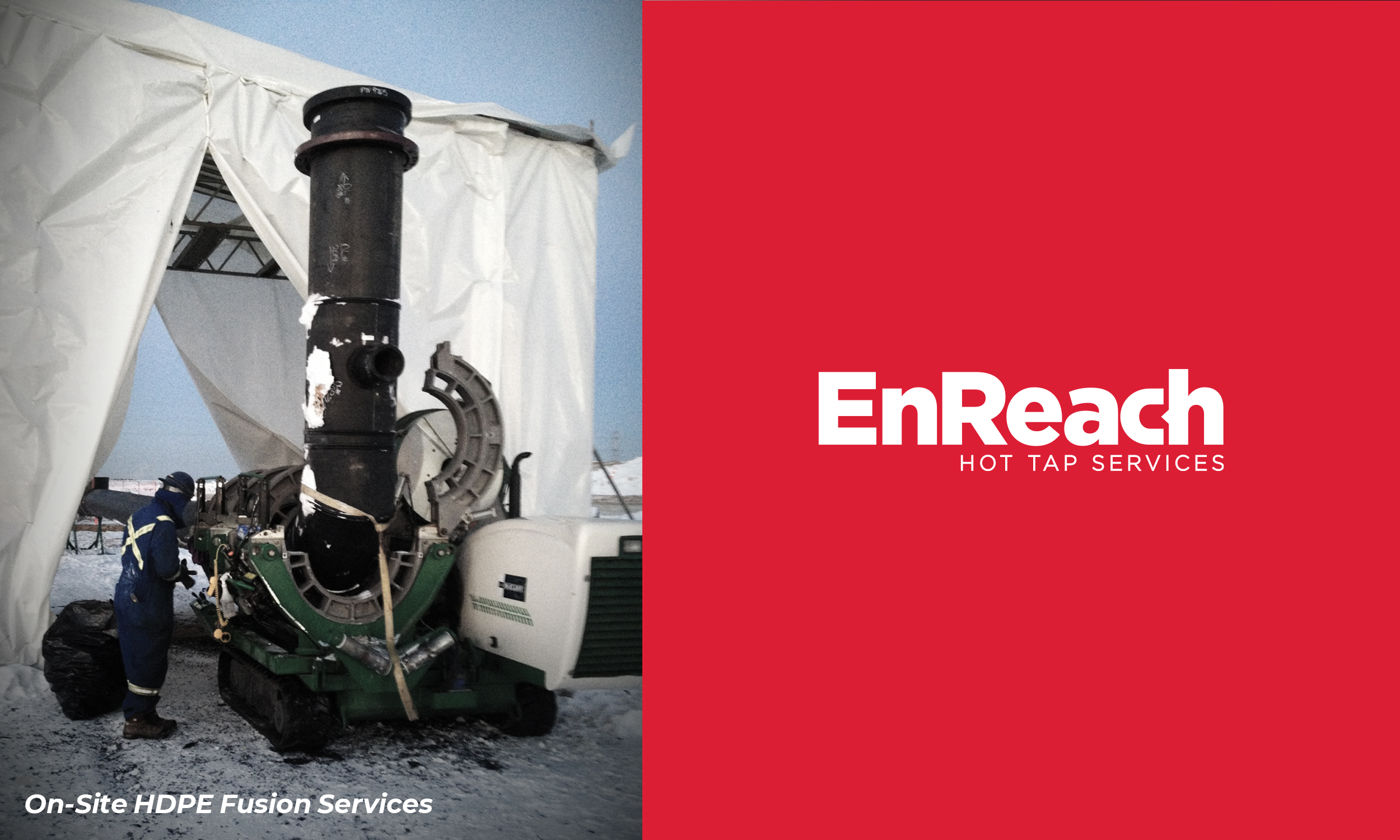

COLD CUTTING: EnReach’s portable clamshell machines are designed for onsite severing/beveling, and double beveling. The frame is a light-weight aluminum split ring assembly capable of being disassembled to allow installation around in-line piping, elbows, tees, valves, nozzles and flanges.
EnReach can perform cold cutting where the dangers of fire and explosion exist. Our work can be done at our shop or on site with our portable machining equipment. EnReach’s Cold Pipe Cutting service allows you to quickly prepare and perform cuts to your pipe while safely reducing the risk of fire or explosion.
Capability
Machining Services
Cold Cutting:
- COLD PIPE CUTTING AND BEVELING
- PIPE END PREPS
- COLD CUTTING
- BEVELING
- ONSITE MACHINING
-
The EnReach shop is in Red Deer, Alberta and provides exceptional turnaround times.
Capability
Machining Services
Cold Cutting:
- COLD PIPE CUTTING AND BEVELING
- PIPE END PREPS
- COLD CUTTING
- BEVELING
- ONSITE MACHINING
-
The EnReach shop is in Red Deer, Alberta and provides exceptional turnaround times.
FAQ
Q:
A:
FAQ
Q:
A: